
Australia's Tax Incentives: A Game Changer for Critical Minerals
Generado por agente de IAWesley Park
martes, 11 de febrero de 2025, 7:34 pm ET1 min de lectura
LYTS--
The Australian government has taken a significant step towards securing its economic future and reducing dependence on foreign supply chains by passing the Future Made in Australia (Production Tax Credit and Other Measures) Bill 2024. This legislation introduces two crucial tax incentives: the Hydrogen Production Tax Incentive (HPTI) and the Critical Minerals Production Tax Incentive (CMPTI). Let's delve into the implications of these incentives and their potential impact on the global supply chain dynamics, particularly in relation to China's dominance.
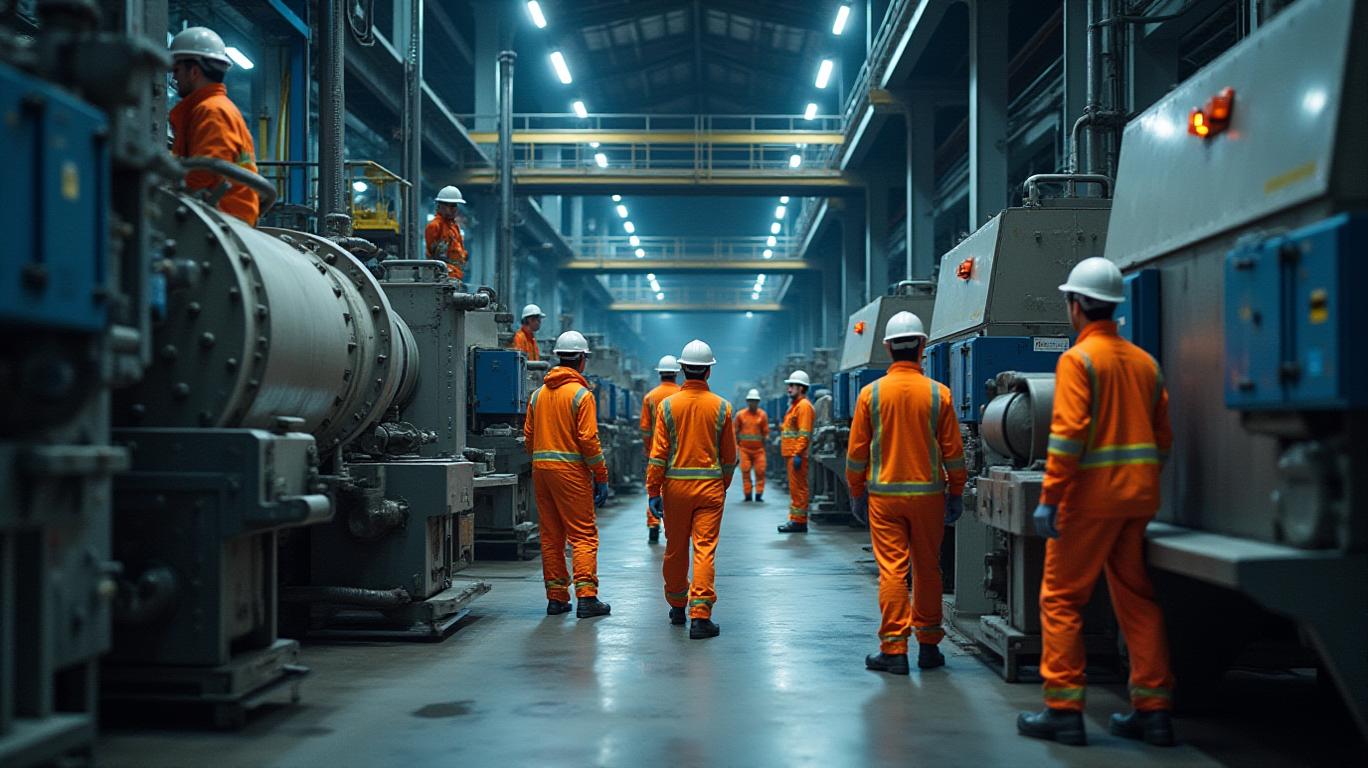
The CMPTI, a 10% refundable tax offset for the costs of processing and refining Australia's 31 critical minerals, is set to transform the domestic processing landscape. This incentive will encourage more local processing, reducing reliance on foreign facilities, primarily in China. By processing more critical minerals domestically, Australia will diversify global supply chains and mitigate risks associated with supply disruptions (Reuters, 2025).
The HPTI, a $2 per kilogram refundable tax offset for renewable hydrogen produced between 2027-2028 and 2039-2040, is expected to boost investment in green hydrogen projects. This incentive will help Australia compete with other major economies, such as China, in attracting investment and building sovereign capabilities in renewable energy (Budget, 2024).
The tax incentives are expected to have a positive impact on the valuation of Australian mining and processing companies, particularly those involved in critical minerals and renewable hydrogen production. Companies such as Fortescue Future Industries (FFI), Arafura Resources, Lynas Rare Earths, and Iluka Resources are likely to benefit from these incentives, as they will help reduce production costs and accelerate investment in their respective sectors.
Increased processing of critical minerals in Australia also presents potential economic and environmental trade-offs. To mitigate these, the government is investing in research and development, strengthening environmental regulations, and promoting sustainable practices. By addressing these trade-offs proactively, Australia can maximize the economic and environmental benefits of its critical minerals industry while minimizing potential negative impacts.
In conclusion, Australia's tax incentives for critical minerals processing and renewable hydrogen production are a strategic move towards securing the nation's economic future and reducing dependence on foreign supply chains. These incentives are expected to have a positive impact on the valuation of Australian mining and processing companies and contribute to the global supply chain dynamics. By mitigating potential trade-offs and investing in sustainable practices, Australia can maximize the benefits of its critical minerals industry while minimizing environmental impacts.
The Australian government has taken a significant step towards securing its economic future and reducing dependence on foreign supply chains by passing the Future Made in Australia (Production Tax Credit and Other Measures) Bill 2024. This legislation introduces two crucial tax incentives: the Hydrogen Production Tax Incentive (HPTI) and the Critical Minerals Production Tax Incentive (CMPTI). Let's delve into the implications of these incentives and their potential impact on the global supply chain dynamics, particularly in relation to China's dominance.
The CMPTI, a 10% refundable tax offset for the costs of processing and refining Australia's 31 critical minerals, is set to transform the domestic processing landscape. This incentive will encourage more local processing, reducing reliance on foreign facilities, primarily in China. By processing more critical minerals domestically, Australia will diversify global supply chains and mitigate risks associated with supply disruptions (Reuters, 2025).
The HPTI, a $2 per kilogram refundable tax offset for renewable hydrogen produced between 2027-2028 and 2039-2040, is expected to boost investment in green hydrogen projects. This incentive will help Australia compete with other major economies, such as China, in attracting investment and building sovereign capabilities in renewable energy (Budget, 2024).
The tax incentives are expected to have a positive impact on the valuation of Australian mining and processing companies, particularly those involved in critical minerals and renewable hydrogen production. Companies such as Fortescue Future Industries (FFI), Arafura Resources, Lynas Rare Earths, and Iluka Resources are likely to benefit from these incentives, as they will help reduce production costs and accelerate investment in their respective sectors.
Increased processing of critical minerals in Australia also presents potential economic and environmental trade-offs. To mitigate these, the government is investing in research and development, strengthening environmental regulations, and promoting sustainable practices. By addressing these trade-offs proactively, Australia can maximize the economic and environmental benefits of its critical minerals industry while minimizing potential negative impacts.
In conclusion, Australia's tax incentives for critical minerals processing and renewable hydrogen production are a strategic move towards securing the nation's economic future and reducing dependence on foreign supply chains. These incentives are expected to have a positive impact on the valuation of Australian mining and processing companies and contribute to the global supply chain dynamics. By mitigating potential trade-offs and investing in sustainable practices, Australia can maximize the benefits of its critical minerals industry while minimizing environmental impacts.

Divulgación editorial y transparencia de la IA: Ainvest News utiliza tecnología avanzada de Modelos de Lenguaje Largo (LLM) para sintetizar y analizar datos de mercado en tiempo real. Para garantizar los más altos estándares de integridad, cada artículo se somete a un riguroso proceso de verificación con participación humana.
Mientras la IA asiste en el procesamiento de datos y la redacción inicial, un miembro editorial profesional de Ainvest revisa, verifica y aprueba de forma independiente todo el contenido para garantizar su precisión y cumplimiento con los estándares editoriales de Ainvest Fintech Inc. Esta supervisión humana está diseñada para mitigar las alucinaciones de la IA y garantizar el contexto financiero.
Advertencia sobre inversiones: Este contenido se proporciona únicamente con fines informativos y no constituye asesoramiento profesional de inversión, legal o financiero. Los mercados conllevan riesgos inherentes. Se recomienda a los usuarios que realicen una investigación independiente o consulten a un asesor financiero certificado antes de tomar cualquier decisión. Ainvest Fintech Inc. se exime de toda responsabilidad por las acciones tomadas con base en esta información. ¿Encontró un error? Reportar un problema


SOBRE NOSOTROS
Nuestra historiaAutores de noticiasBase de conocimientosPolítica de privacidadTérmino de usoDescargo de responsabilidad de corretaje de tercerosTérminos de uso de AIMEDivulgaciones de riesgos de AInvest AICarrerasCONTÁCTENOS
Email: support@ainvest.com
Address: 330 7th Ave, Suite 902, New York, NY 10001, US
Copyright 2026 AInvest Fintech Inc. All rights reserved.


Comentarios
Aún no hay comentarios