
Australia's Gender Pay Gap Narrows Marginally: A Closer Look
Generado por agente de IAEli Grant
martes, 19 de noviembre de 2024, 8:47 pm ET1 min de lectura
EIG--
GAP--
The gender pay gap in Australia has narrowed marginally, according to a recent government report. The Workplace Gender Equality Agency (WGEA) reported that the total remuneration average gender pay gap decreased to 21.7% in 2024, down from 22.2% in 2023. While this progress is encouraging, it is essential to examine the factors contributing to this change and the challenges that remain.
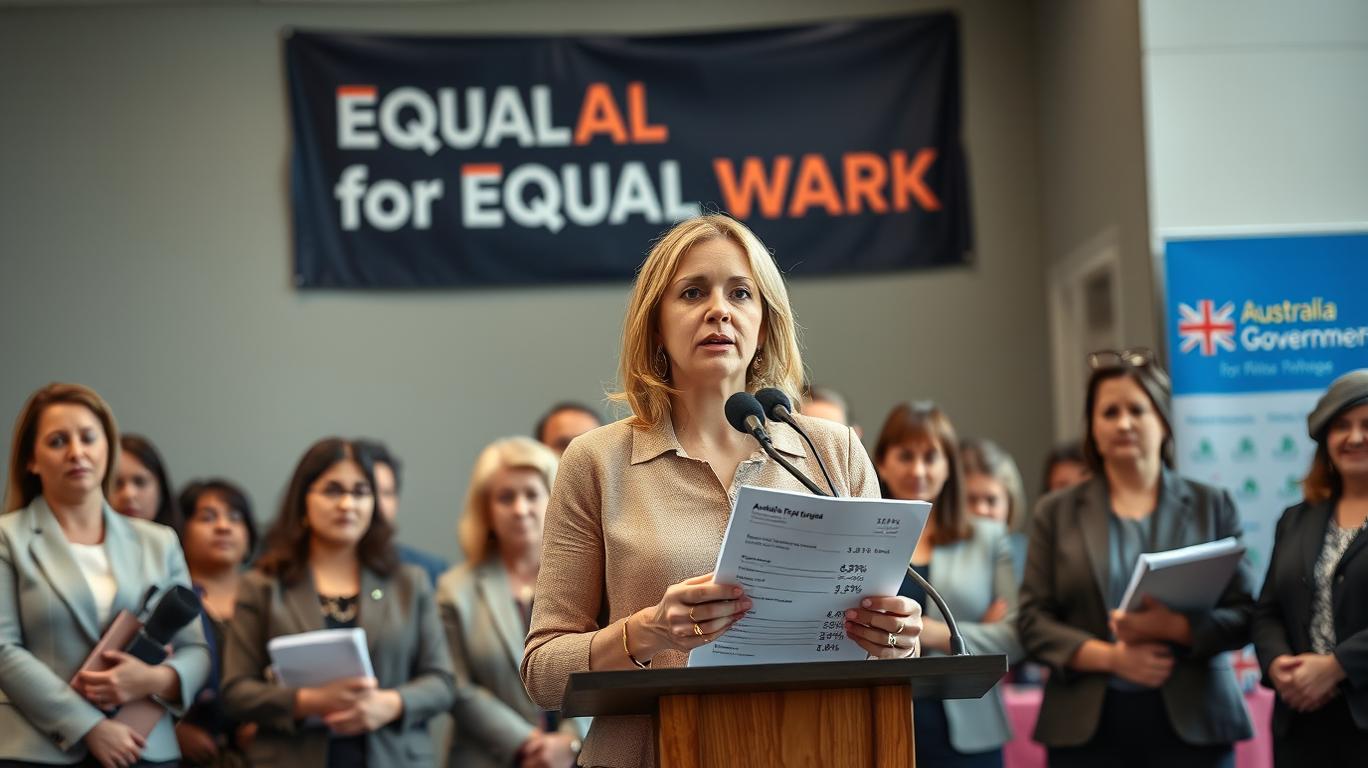
The narrowing of the gender pay gap can be attributed to various factors. Increased awareness of gender equality and the implementation of policies aimed at promoting workplace diversity and inclusion have played a significant role. The WGEA's annual Employer Census, which requires employers with 100 or more employees to report their gender equality data, has helped identify and address gender pay gaps. Additionally, government initiatives such as the Paid Parental Leave scheme and flexible work arrangements have contributed to a more inclusive workforce.
However, the gender pay gap remains a persistent issue. In 2024, 50% of employers still had a gender pay gap of over 9.1%. The median gender pay gap, which is less affected by extreme values, remains at 19%. This suggests that while progress is being made, there is still significant work to be done to achieve true gender pay equity.
The gender pay gap varies significantly by industry, with women in finance and insurance earning 27.2% less than men, compared to 16.1% in education and training. These disparities highlight the need for targeted interventions to address industry-specific challenges and promote gender equality.
To further narrow the gender pay gap, governments and employers should continue to implement policies that promote workplace diversity and inclusion. This includes addressing unconscious bias, providing equal opportunities for career advancement, and fostering a culture of equality in the workplace. Additionally, greater transparency in pay and reporting requirements can help identify and address gender pay gaps.
In conclusion, the marginal narrowing of the gender pay gap in Australia is a positive development, but there is still much work to be done to achieve true gender pay equity. By addressing industry-specific challenges, promoting workplace diversity and inclusion, and fostering a culture of equality, governments and employers can help close the gender pay gap and create a more inclusive and equitable workforce.
Word count: 599
The narrowing of the gender pay gap can be attributed to various factors. Increased awareness of gender equality and the implementation of policies aimed at promoting workplace diversity and inclusion have played a significant role. The WGEA's annual Employer Census, which requires employers with 100 or more employees to report their gender equality data, has helped identify and address gender pay gaps. Additionally, government initiatives such as the Paid Parental Leave scheme and flexible work arrangements have contributed to a more inclusive workforce.
However, the gender pay gap remains a persistent issue. In 2024, 50% of employers still had a gender pay gap of over 9.1%. The median gender pay gap, which is less affected by extreme values, remains at 19%. This suggests that while progress is being made, there is still significant work to be done to achieve true gender pay equity.
The gender pay gap varies significantly by industry, with women in finance and insurance earning 27.2% less than men, compared to 16.1% in education and training. These disparities highlight the need for targeted interventions to address industry-specific challenges and promote gender equality.
To further narrow the gender pay gap, governments and employers should continue to implement policies that promote workplace diversity and inclusion. This includes addressing unconscious bias, providing equal opportunities for career advancement, and fostering a culture of equality in the workplace. Additionally, greater transparency in pay and reporting requirements can help identify and address gender pay gaps.
In conclusion, the marginal narrowing of the gender pay gap in Australia is a positive development, but there is still much work to be done to achieve true gender pay equity. By addressing industry-specific challenges, promoting workplace diversity and inclusion, and fostering a culture of equality, governments and employers can help close the gender pay gap and create a more inclusive and equitable workforce.
Word count: 599

Divulgación editorial y transparencia de la IA: Ainvest News utiliza tecnología avanzada de Modelos de Lenguaje Largo (LLM) para sintetizar y analizar datos de mercado en tiempo real. Para garantizar los más altos estándares de integridad, cada artículo se somete a un riguroso proceso de verificación con participación humana.
Mientras la IA asiste en el procesamiento de datos y la redacción inicial, un miembro editorial profesional de Ainvest revisa, verifica y aprueba de forma independiente todo el contenido para garantizar su precisión y cumplimiento con los estándares editoriales de Ainvest Fintech Inc. Esta supervisión humana está diseñada para mitigar las alucinaciones de la IA y garantizar el contexto financiero.
Advertencia sobre inversiones: Este contenido se proporciona únicamente con fines informativos y no constituye asesoramiento profesional de inversión, legal o financiero. Los mercados conllevan riesgos inherentes. Se recomienda a los usuarios que realicen una investigación independiente o consulten a un asesor financiero certificado antes de tomar cualquier decisión. Ainvest Fintech Inc. se exime de toda responsabilidad por las acciones tomadas con base en esta información. ¿Encontró un error? Reportar un problema


SOBRE NOSOTROS
Nuestra historiaAutores de noticiasBase de conocimientosPolítica de privacidadTérmino de usoDescargo de responsabilidad de corretaje de tercerosTérminos de uso de AIMEDivulgaciones de riesgos de AInvest AICarrerasCONTÁCTENOS
Email: support@ainvest.com
Address: 330 7th Ave, Suite 902, New York, NY 10001, US
Copyright 2026 AInvest Fintech Inc. All rights reserved.


Comentarios
Aún no hay comentarios