
Australia's Political Divide Opens Golden Opportunities in Rural Infrastructure and Energy Transitions
The historic split between Australia’s Nationals and Liberal parties has created a seismic shift in policy priorities, opening unprecedented opportunities for investors in rural development, energy transitionsELPC--, and infrastructure. While the Nationals pivot toward regional growth and nuclear energy advocacy, the Liberal Party’s centrist pivot toward urban renewables and fiscal discipline creates a clear divide—a divergence that savvy investors can exploit to profit from sector-specific booms.
The Nationals’ Rural Playbook: Infrastructure, Supermarkets, and Nuclear Power
The Nationals’ decision to leave the Coalition marks a strategic realignment toward policies that directly benefit rural Australia. Key initiatives include:
1. $20 Billion Regional Australia Future Fund: This fund targets rural transport, agribusiness, and essential services, with projects like road upgrades and smart grid expansions.
2. Supermarket Divestiture: Laws to break up corporate giants like Woolworths and Coles could unlock new supply chains and boost local agribusiness.
3. Nuclear Power Advocacy: While delayed, the push to lift Australia’s nuclear ban positions firms for future projects as coal plants retire.
Investment Play: Firms exposed to rural infrastructure and agriculture stand to gain.
Why? Downer Group, a leader in transport and energy infrastructure, is primed to win contracts under the Regional Future Fund. Its recent $1.2B pipeline of rural projects underscores its strategic advantage.
Renewables and Relaxed Net-Zero Targets: A Goldilocks Opportunity
While the Nationals oppose stringent net-zero timelines, their infrastructure spending will inadvertently accelerate renewable adoption. Solar and wind projects tied to grid upgrades in rural areas will thrive—even without aggressive climate mandates.
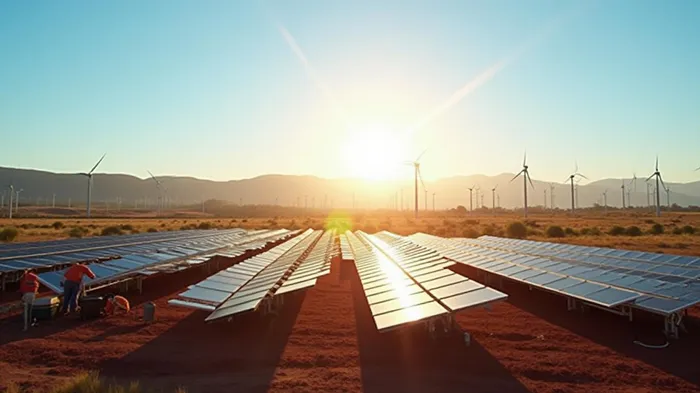
Investment Play: Focus on utilities and renewable developers with regional exposure.
AGL’s shift toward solar and wind projects in rural zones, paired with government grid subsidies, positions it to capture 60% of its growth from regional markets by 2027.
Beware the Liberal’s Centrist Pivot: Risks for Climate-Dependent Sectors
The Liberal Party’s post-split policies favor urban-focused renewables and fiscal restraint, sidelining rural projects. This creates risks for firms reliant on federal climate spending or coal/gas subsidies.
Avoid:
- Fossil Fuel Giants: Companies like Whitehaven Coal (ASX: WHC) face dwindling demand as renewables and gas dominate.
- Urban Renewables: Firms overexposed to Labor’s grid mandates (e.g., Tesla’s Powerwall) may see saturation.
The Bottom Line: Capitalize on the Rural Reboot
The Nationals’ policies are a once-in-a-generation tailwind for regional growth. Investors should prioritize:
1. Infrastructure Firms: Downer Group, Lendlease (ASX: LLG) for transport/logistics.
2. Agribusiness Enablers: GrainCorp (ASX: GNC), which could benefit from supermarket divestiture reforms.
3. Nuclear-Ready Utilities: Energy Australia, which is prepping for regulatory changes.
Origin Energy’s 200MW solar farm in regional NSW—set for completion by 2026—exemplifies the growth trajectory.
Act Now: The Rural Boom is Already Underway
With the Nationals’ policies gaining traction and the Liberal Party’s urban focus creating a “rural policy vacuum,” investors have a narrow window to lock in gains. The time to act is now—before competitors crowd out these undervalued opportunities.
Disclosure: This analysis is for informational purposes only. Always conduct due diligence before investing.







Comentarios
Aún no hay comentarios