
Australia's Cooling Inflation: A Goldilocks Opportunity for Consumer Staples and Housing Plays?
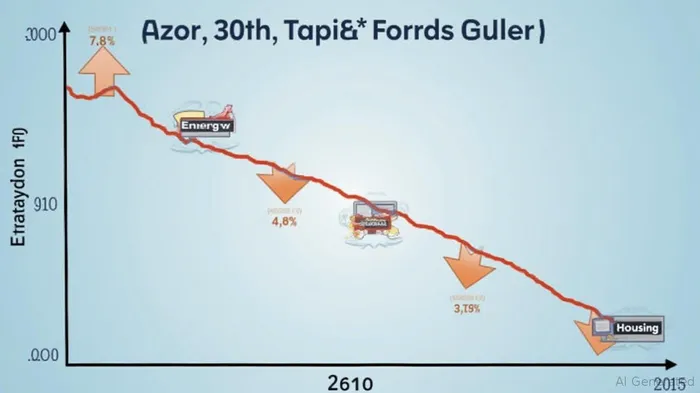
Australia's inflation has been on a steady decline since peaking at 7.8% in late 2022, easing to 3.6% by March 2025. This moderation, driven by policy interventions and structural shifts, has created a unique investment landscape. For equity markets, the question isn't just whether interest rates will fall—it's how investors can capitalize on sector-specific opportunities in consumer staples and housing-related equities as the economy navigates this transition.
The Inflation Landscape: Cooling, But Not Frozen
The consumer staples sector has seen significant relief. Food inflation, which hit 5.6% in 2023, has retreated to 3.6% by early 2025, driven by falling fruit and vegetable prices and supply chain improvements. Meanwhile, energy costs—once a major driver—have stabilized, thanks to government rebates that capped electricity price hikes at 2% annually. However, housing costs remain stubbornly high, with rents rising 7.8% year-on-year through March 2025, fueled by immigration-driven demand and tight supply.
Interest Rate Outlook: The RBA's Tightrope Walk
The Reserve Bank of Australia (RBA) has kept the cash rate at 4.1% since November 2023, waiting for further inflation confirmation before cutting. While core inflation (excluding volatile items) has dipped to 4%, persistent housing costs and low unemployment (3.7%) give the RBARBA-- pause.
A rate cut by mid-2025 would boost equity markets broadly, but the sweet spot lies in sectors insulated from inflation's lingering effects.
Sector-Specific Investment Opportunities
1. Consumer Staples: Riding the Deflationary Wave
Falling input costs and stabilized energy prices are a tailwind for staples companies like Woolworths (WOW.AX) and Wesfarmers (WES.AX). These firms benefit from reduced supply chain pressures and consumer demand for essentials.
- Woolworths: Dominates Australia's grocery market, with 27% market share. Its focus on private-label products (which typically see slower price hikes) and digital innovation positions it to thrive in a cost-conscious environment.
- Wesfarmers: Parent of Coles supermarkets and Bunnings hardware stores, Wesfarmers has diversified exposure to both groceries and home improvement—a sector that could see renewed activity if housing demand moderates.
Investment Thesis: Overweight staples stocks as inflation-sensitive risks recede. These firms have strong balance sheets and pricing power, making them defensive plays in a slowing economy.
2. Housing-Related Equities: Picking Winners in a Tight Market
While housing costs remain elevated, the sector offers selective opportunities for investors willing to navigate risks:
- Homebuilders: Firms like Stockland (SGP.AX) and Mirvac Group (MVC.AX) could benefit if falling rates reignite demand for new homes. However, their success hinges on whether immigration-driven demand offsets rising mortgage costs.
- REITs: Scentre Group (SCG.AX) (retail centers) and Goodman Group (GMG.AX) (industrial properties) offer steady dividends, but their valuations are sensitive to rental growth and occupancy rates.
Investment Thesis: Avoid pure-play homebuilders unless you're betting on a sharp rate cut. Instead, favor REITs with diversified portfolios and home improvement retailers (e.g., Bunnings) that cater to existing homeowners' needs.
Risks to Watch
- Housing Supply Crunch: Even with rate cuts, rents may stay elevated unless new housing stock increases—a process that takes years.
- Energy Volatility: Oil price spikes or global supply shocks could reignite energy inflation, squeezing margins for staples firms.
- Labor Costs: The RBA aims to push unemployment to 4.5% to curb wage growth. If wages stay sticky, services inflation could linger, keeping rates higher for longer.
Final Take: Timing is Everything
The next 6–12 months will hinge on whether inflation continues to ease below the RBA's 2–3% target. If so, rate cuts could unlock a rotation into housing and consumer discretionary stocks. For now, consumer staples offer the safest upside, while housing plays should be approached cautiously, with a focus on defensive REITs and home improvement names.
Actionable Idea:
- Buy: Woolworths (WOW.AX) and Wesfarmers (WES.AX) for staples exposure.
- Hold: Scentre Group (SCG.AX) and Goodman Group (GMG.AX) for REITs with stable income.
- Avoid: Pure residential homebuilders unless you see a clear rate-cut catalyst.
In a world of cooling inflation but persistent housing headwinds, patience and sector specificity will be key to outperforming.







Comentarios
Aún no hay comentarios