
Australia's BlueScope Steel Rises on Hopes of Trump Tariffs Boosting US Ops
Generado por agente de IACyrus Cole
domingo, 9 de febrero de 2025, 8:36 pm ET1 min de lectura
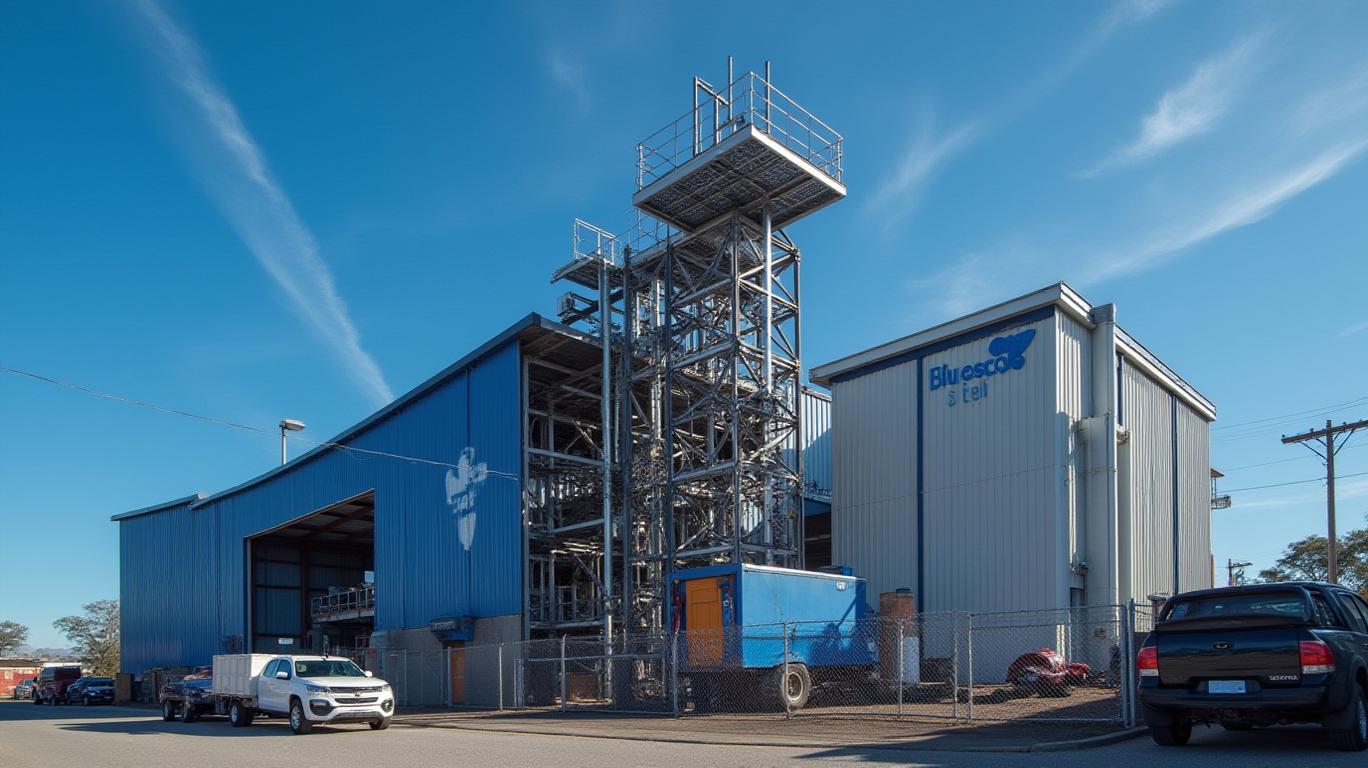
BlueScope Steel Limited, an Australian steel manufacturer, has seen its shares rise in recent weeks on speculation that President Trump's proposed tariffs on imported steel and aluminum could boost the company's operations in the United States. The potential benefits for BlueScope Steel stem from the company's significant presence in the US market, where it operates several businesses, including North Star BlueScope Steel, BlueScope Coated Products, BlueScope Buildings North America, and NS BlueScope Coated Products.
The proposed tariffs, which could reach as high as 25% on steel and 10% on aluminum, could make imported steel and aluminum more expensive, potentially increasing demand for domestically produced steel. This could benefit BlueScope Steel, as it would likely face less competition from foreign producers. Additionally, the company could potentially see increased sales and revenue if domestic steel prices rise due to the tariffs.
BlueScope Steel's US operations could also benefit from potential changes in market dynamics. The proposed tariffs could lead to increased competition among domestic steel producers, potentially resulting in price fluctuations and changes in market share for BlueScope Steel. However, the company's strong position in the US market and its diverse product offerings could help it maintain its competitiveness.
However, it is essential to consider the potential risks and challenges that BlueScope Steel may face in the event of increased tariffs on imported steel and aluminum. Higher tariffs could lead to increased production costs for the company, as it may need to source raw materials domestically. This could negatively impact BlueScope Steel's profit margins and overall financial performance. Additionally, other countries may retaliate with tariffs on US exports, including those from BlueScope Steel, potentially reducing the company's exports and further impacting its financial performance.
To mitigate these potential risks, BlueScope Steel may need to consider various strategies, such as sourcing alternative raw materials or suppliers, optimizing production processes to reduce costs, and exploring new markets or expanding existing ones to diversify revenue streams. The company could also engage with policymakers and industry associations to advocate for fair trade policies.
In conclusion, the potential imposition of tariffs on imported steel and aluminum by the Trump Administration could have both strategic advantages and disadvantages for BlueScope Steel. While the company could benefit from increased demand for domestic steel and reduced competition, it may also face potential increases in production costs and retaliation from trading partners. To navigate these challenges, BlueScope Steel will need to implement mitigation strategies and adapt its operations to the changing geopolitical climate and trade policies.



Divulgación editorial y transparencia de la IA: Ainvest News utiliza tecnología avanzada de Modelos de Lenguaje Largo (LLM) para sintetizar y analizar datos de mercado en tiempo real. Para garantizar los más altos estándares de integridad, cada artículo se somete a un riguroso proceso de verificación con participación humana.
Mientras la IA asiste en el procesamiento de datos y la redacción inicial, un miembro editorial profesional de Ainvest revisa, verifica y aprueba de forma independiente todo el contenido para garantizar su precisión y cumplimiento con los estándares editoriales de Ainvest Fintech Inc. Esta supervisión humana está diseñada para mitigar las alucinaciones de la IA y garantizar el contexto financiero.
Advertencia sobre inversiones: Este contenido se proporciona únicamente con fines informativos y no constituye asesoramiento profesional de inversión, legal o financiero. Los mercados conllevan riesgos inherentes. Se recomienda a los usuarios que realicen una investigación independiente o consulten a un asesor financiero certificado antes de tomar cualquier decisión. Ainvest Fintech Inc. se exime de toda responsabilidad por las acciones tomadas con base en esta información. ¿Encontró un error? Reportar un problema


SOBRE NOSOTROS
Nuestra historiaAutores de noticiasBase de conocimientosPolítica de privacidadTérmino de usoDescargo de responsabilidad de corretaje de tercerosTérminos de uso de AIMEDivulgaciones de riesgos de AInvest AICarrerasCONTÁCTENOS
Email: support@ainvest.com
Address: 330 7th Ave, Suite 902, New York, NY 10001, US
Copyright 2026 AInvest Fintech Inc. All rights reserved.


Comentarios
Aún no hay comentarios