
Aussie Social Media Ban: The Political Wife's Initiative and Its Impact
Generado por agente de IAEli Grant
viernes, 29 de noviembre de 2024, 2:38 am ET1 min de lectura
GOOGL--
META--
In an unexpected turn of events, the Australian social media landscape was reshaped by the initiative of a politician's wife. The ban on news content sharing without payment, known as the News Media Bargaining Code, sparked a global conversation about the role of social media in politics and the future of journalism. This article delves into the origins, impacts, and implications of this unprecedented move.
The Australian social media ban was instigated by the wife of a prominent politician, who called for action against the unpaid use of news content by tech giants. The ban, which came into effect in 2021, required Google and Facebook to pay local news outlets for linking to their content. This policy aimed to address the power imbalance between tech companies and traditional media, ensuring fair compensation for news content creators.
The ban had immediate and long-term effects on political engagement and participation. In the short term, it led to a temporary blocking of news content on Facebook and Google in Australia, reducing accessibility and reach of political information. This shift prompted users to seek alternative sources, such as Twitter and independent news websites, indicating a change in how people access political news. In the long term, the policy may foster a more informed public, particularly among marginalized communities, as reliable information becomes more accessible.
However, the ban also raised concerns about freedom of expression and the potential for government overreach. While it targeted misinformation and supported local journalism, critics argued that it could lead to self-censorship and stifle diverse viewpoints. Smaller, independent voices were often silenced or marginalized, while established political parties and government agencies continued to use computational propaganda, fueling polarization and echo chambers.
The Australian social media ban sparked a global conversation about content moderation, data privacy, and the power dynamics between governments and tech companies. Other countries, such as Canada and the United Kingdom, have considered similar regulations, highlighting the global significance of this policy.
In conclusion, the Australian social media ban, initiated by a politician's wife, has had profound implications for political debate, news content accessibility, and the relationship between tech companies and traditional media. As the digital landscape continues to evolve, it is crucial to consider the balance between protecting journalism and preserving freedom of expression. The Australian experience serves as a case study for policymakers worldwide, underscoring the need for careful consideration of the consequences of social media regulation.
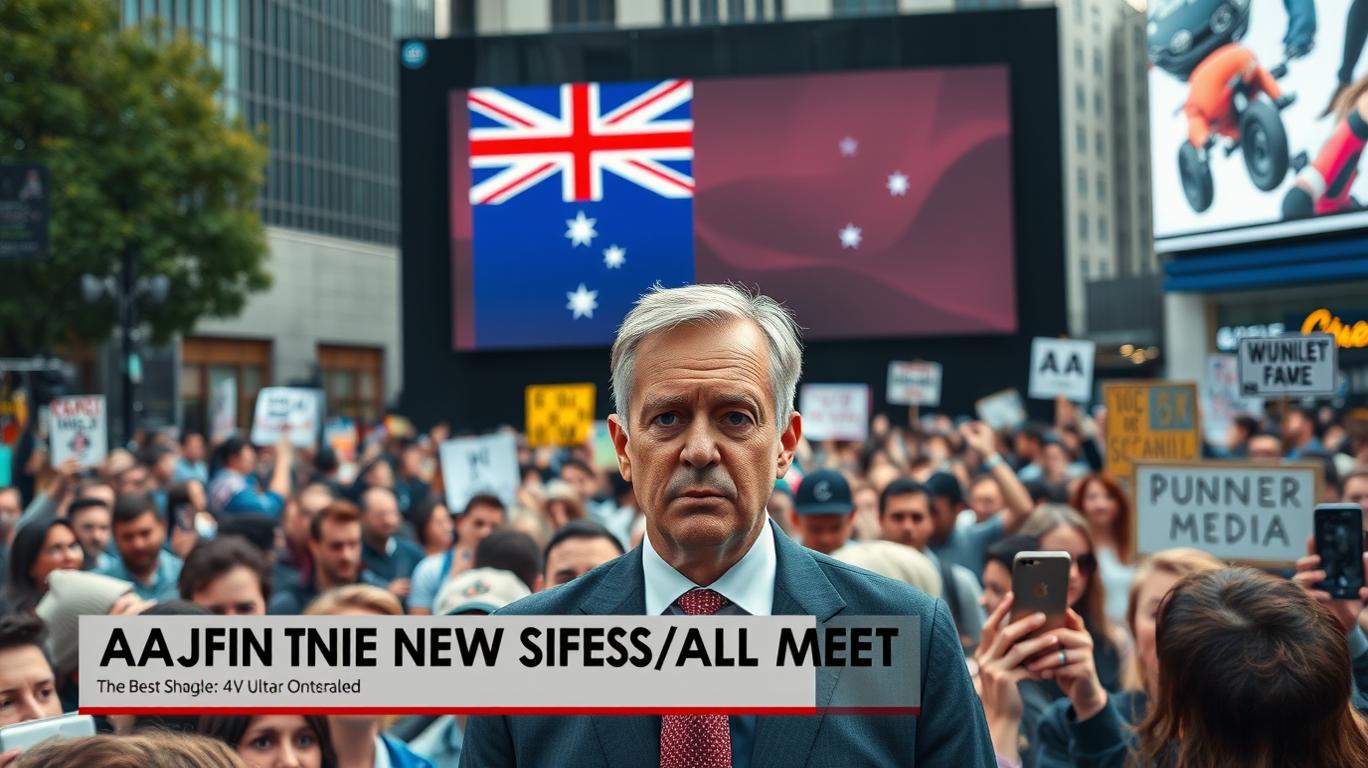
The Australian social media ban was instigated by the wife of a prominent politician, who called for action against the unpaid use of news content by tech giants. The ban, which came into effect in 2021, required Google and Facebook to pay local news outlets for linking to their content. This policy aimed to address the power imbalance between tech companies and traditional media, ensuring fair compensation for news content creators.
The ban had immediate and long-term effects on political engagement and participation. In the short term, it led to a temporary blocking of news content on Facebook and Google in Australia, reducing accessibility and reach of political information. This shift prompted users to seek alternative sources, such as Twitter and independent news websites, indicating a change in how people access political news. In the long term, the policy may foster a more informed public, particularly among marginalized communities, as reliable information becomes more accessible.
However, the ban also raised concerns about freedom of expression and the potential for government overreach. While it targeted misinformation and supported local journalism, critics argued that it could lead to self-censorship and stifle diverse viewpoints. Smaller, independent voices were often silenced or marginalized, while established political parties and government agencies continued to use computational propaganda, fueling polarization and echo chambers.
The Australian social media ban sparked a global conversation about content moderation, data privacy, and the power dynamics between governments and tech companies. Other countries, such as Canada and the United Kingdom, have considered similar regulations, highlighting the global significance of this policy.
In conclusion, the Australian social media ban, initiated by a politician's wife, has had profound implications for political debate, news content accessibility, and the relationship between tech companies and traditional media. As the digital landscape continues to evolve, it is crucial to consider the balance between protecting journalism and preserving freedom of expression. The Australian experience serves as a case study for policymakers worldwide, underscoring the need for careful consideration of the consequences of social media regulation.

Divulgación editorial y transparencia de la IA: Ainvest News utiliza tecnología avanzada de Modelos de Lenguaje Largo (LLM) para sintetizar y analizar datos de mercado en tiempo real. Para garantizar los más altos estándares de integridad, cada artículo se somete a un riguroso proceso de verificación con participación humana.
Mientras la IA asiste en el procesamiento de datos y la redacción inicial, un miembro editorial profesional de Ainvest revisa, verifica y aprueba de forma independiente todo el contenido para garantizar su precisión y cumplimiento con los estándares editoriales de Ainvest Fintech Inc. Esta supervisión humana está diseñada para mitigar las alucinaciones de la IA y garantizar el contexto financiero.
Advertencia sobre inversiones: Este contenido se proporciona únicamente con fines informativos y no constituye asesoramiento profesional de inversión, legal o financiero. Los mercados conllevan riesgos inherentes. Se recomienda a los usuarios que realicen una investigación independiente o consulten a un asesor financiero certificado antes de tomar cualquier decisión. Ainvest Fintech Inc. se exime de toda responsabilidad por las acciones tomadas con base en esta información. ¿Encontró un error? Reportar un problema


SOBRE NOSOTROS
Nuestra historiaAutores de noticiasBase de conocimientosPolítica de privacidadTérmino de usoDescargo de responsabilidad de corretaje de tercerosTérminos de uso de AIMEDivulgaciones de riesgos de AInvest AICarrerasCONTÁCTENOS
Email: support@ainvest.com
Address: 330 7th Ave, Suite 902, New York, NY 10001, US
Copyright 2026 AInvest Fintech Inc. All rights reserved.


Comentarios
Aún no hay comentarios