
The Attractiveness of High-Yield Dividend Stocks in a Shifting Energy and Manufacturing Landscape
Energy Sector: High Yields Amid ESG Challenges
The energy sector continues to offer some of the most attractive dividend yields, with RLX TechnologyRLX-- (RLX) standing out as a case study. , , . However, its ESG profile remains underdeveloped compared to peers. While RLXRLX-- has established an ESG committee and implemented a Used Pods Recycling Program, its sustainability initiatives are still nascent, focusing primarily on supply chain certifications like ISO14001 rather than systemic decarbonization.
Brighthouse Financial (BHFAM), another energy-linked stock, offers a 9.93% yield but faces scrutiny over its earnings performance. , which may stabilize its operations, , raising questions about its ability to sustain payouts. This highlights a broader trend: energy companies with high yields often rely on short-term financial engineering rather than long-term ESG-aligned strategies.
Manufacturing Sector: ESG-Driven Resilience
The manufacturing sector, in contrast, is leveraging (GTI) to enhance ESG performance and secure dividend sustainability. A 2024 study found , directly boosting corporate value and reducing debt financing costs. This is particularly relevant in China, . Companies like Illinois Tool Works and Parker-Hannifin, , exemplify how operational efficiency and ESG integration can sustain payouts even amid geopolitical and economic volatility.
Moreover, the European study on ESG and dividends reveals a critical insight: firms with strong achieve higher earnings and lower income volatility, enabling consistent dividend distributions. For instance, ENDRA Life Sciences' 2025 strategic pivot to non-dilutive financial returns underscores how can bolster both sustainability and shareholder returns.
Comparative Analysis: Sector-Specific Growth Potential
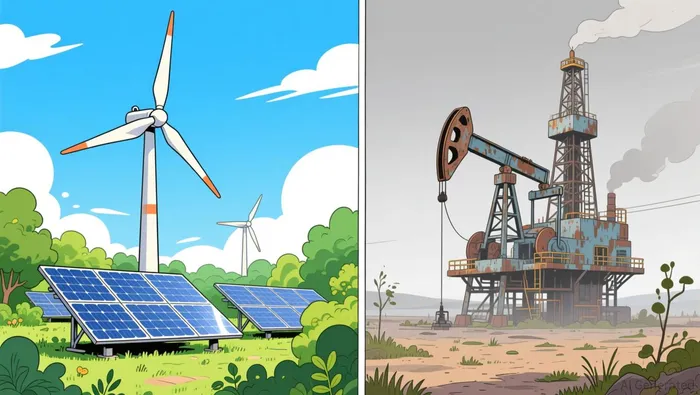
While energy stocks like RLX offer eye-catching yields, their ESG shortcomings may hinder long-term growth. The energy transition's uneven progress-exacerbated by geopolitical tensions and economic priorities- leaves many firms unprepared for net-zero targets. Conversely, manufacturing's shift from aspirational to actionable strategies is creating a more resilient dividend landscape.
Recent data also highlights divergent investor sentiment. outperformed energy-focused portfolios in 2021, driven by tech and consumer cyclicals. Though energy companies like RLX may benefit from near-term demand for fossil fuels, their exclusion from limits their appeal to a shrinking pool of sustainability-conscious investors. Manufacturing, by contrast, is attracting capital through its alignment with green innovation, as seen in the 's 2021 outperformance.
Conclusion: Balancing Yield and Sustainability
For investors, the choice between energy and manufacturing high-yield stocks hinges on and time horizon. Energy sector picks like RLX and BHFAMBHFAM-- offer immediate income but require careful monitoring of ESG risks and regulatory shifts. Manufacturing stocks, while yielding less, present a more sustainable path to long-term growth, supported by ESG-driven cost efficiencies and demand for industrial automation.
As the global economy navigates the dual pressures of climate action and economic development, dividend sustainability will increasingly depend on a company's ability to integrate into its core operations. Those that fail to adapt-like many energy firms still reliant on fossil fuels-risk seeing their high yields eroded by rising capital costs and stakeholder scrutiny.







Comentarios
Aún no hay comentarios