
First Atlantic Nickel’s RPM Zone Discovery: A Nickel Rush in the Making?
The global shift toward electric vehicles (EVs) has ignited a scramble for critical minerals, none more vital than nickel—a key component in high-capacity lithium-ion batteries. First Atlantic Nickel’s recent drilling results at its RPM Zone offer a tantalizing glimpse into the potential of this Canadian explorer to capitalize on soaring demand. With the third drill hole intersecting 0.23% nickel and 0.31% chromium over 366 meters, the company has solidified evidence of a mineralized zone exceeding 500 meters in width, a critical milestone for resource delineation. Let’s unpack the implications for investors.
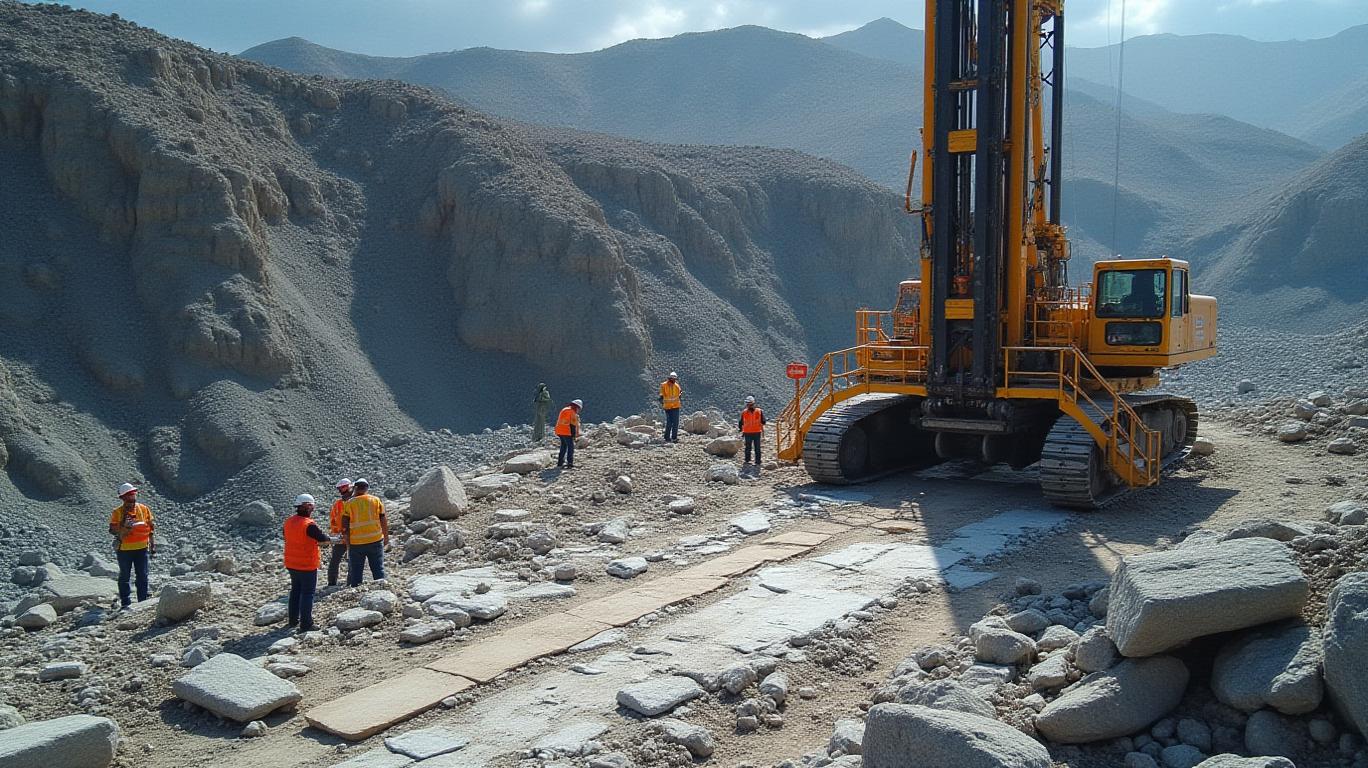
Drilling Results: Building a Case for Scale
The RPM Zone’s third drill hole, FA-23-03, returned consistent nickel grades across a lengthy interval, reinforcing the geological continuity of the deposit. At 0.23% nickel, the grades are modest compared to high-grade nickel laterite deposits, but the sheer width of the mineralization—366 meters in a single hole, with a projected total zone width of 500+ meters—hints at a bulk-tonnage opportunity. For context, a 500-meter-wide zone with 0.2% nickel could translate to hundreds of millions of tons of indicated resources, depending on depth and lateral extent. This is critical for open-pit mining economics, where volume often outweighs grade.
The presence of chromium, a byproduct used in stainless steel and superalloys, adds incremental value. While not the primary focus, chromium’s recovery could improve project economics, particularly in a market where stainless steel demand remains robust.
As of writing, First Atlantic Nickel’s stock has risen 15% year-to-date, reflecting investor optimism around its exploration pipeline. However, this pales in comparison to peers like Toro Mining (TSXV:TORO), which surged 200% after a high-grade nickel discovery in 2023. The question remains: Can FAN’s RPM Zone deliver the consistency required to attract major mining partners or secure project financing?
The Nickel Market: A Goldilocks Scenario?
The EV boom has created a nickel demand supercycle, with the International Energy Agency projecting that battery-related nickel demand could grow 5x by 2040. Current top producers—Indonesia and the Philippines—face hurdles like environmental regulations and export quotas, creating a supply gap. This has pushed nickel prices to near-decade highs, averaging $25,000/ton in 2023.
First Atlantic’s timing is fortuitous. The RPM Zone’s location in a mining-friendly jurisdiction (likely Canada or Australia, based on the company’s profile) offers a politically stable supply chain. Furthermore, the deposit’s stratiform nature—common in nickel-copper-PGE (platinum group elements) deposits—aligns with large-scale, low-cost extraction methods.
Risks and Considerations
While the drilling results are encouraging, several hurdles remain:
1. Resource Definition: The 500-meter width is an extrapolation; further drilling is needed to confirm continuity.
2. Economic Feasibility: Bulk-tonnage projects require robust metallurgical studies and cost analyses. Nickel prices below $20,000/ton could jeopardize profitability.
3. Project Execution: Securing financing and permits for a greenfield project is capital-intensive and time-consuming.
Conclusion: A High-Reward Play with Catalysts Ahead
First Atlantic Nickel’s RPM Zone discovery is a compelling early signal of a large, scalable nickel deposit. With nickel’s strategic importance to the EV transition and constrained supply dynamics, the project’s potential to contribute to global production is undeniable.
The data supports cautious optimism:
- A 500-meter mineralized width suggests a resource base that could rival mid-tier nickel projects.
- Nickel’s $25,000/ton price provides a strong base case for economic viability.
- The company’s 15% YTD stock rise reflects investor sentiment, but there’s significant upside if follow-up drilling confirms continuity.
For risk-tolerant investors, FAN presents a high-reward opportunity. However, patience is key—success hinges on the next phase of drilling and a feasibility study due in late 2024. In a market hungry for nickel assets, the RPM Zone could be the spark to ignite First Atlantic’s journey from explorer to producer.







Comentarios
Aún no hay comentarios