
"ATA Economist: US Port Fees on Chinese Ships Will Hurt Freight Markets"
Generado por agente de IACyrus Cole
martes, 18 de marzo de 2025, 10:38 am ET2 min de lectura
The American Trucking Associations (ATA) has sounded the alarm on the potential impact of the U.S. government's proposed port fees on Chinese-built and operated vessels. The chief economist at the ATAATAT--, Bob Costello, warned that these fees could significantly alter freight patterns in the U.S., leading to higher costs and operational disruptions for the trucking industry.
The proposed fees, which could reach up to $1.5 million per entry for Chinese-built ships and up to $1 million for Chinese-operated vessels, are part of a broader strategy by the U.S. government to curb China's dominance in the global shipbuilding sector. The Office of the United States Trade Representative (USTR) has outlined a plan to levy these fees on vessels constructed in Chinese shipyards or operated by Chinese maritime companies each time they enter a U.S. port. The fee structureGPCR-- is designed to penalize operators based on their association with Chinese shipbuilding, with Chinese-owned vessels like those operated by COSCO facing the highest fees.
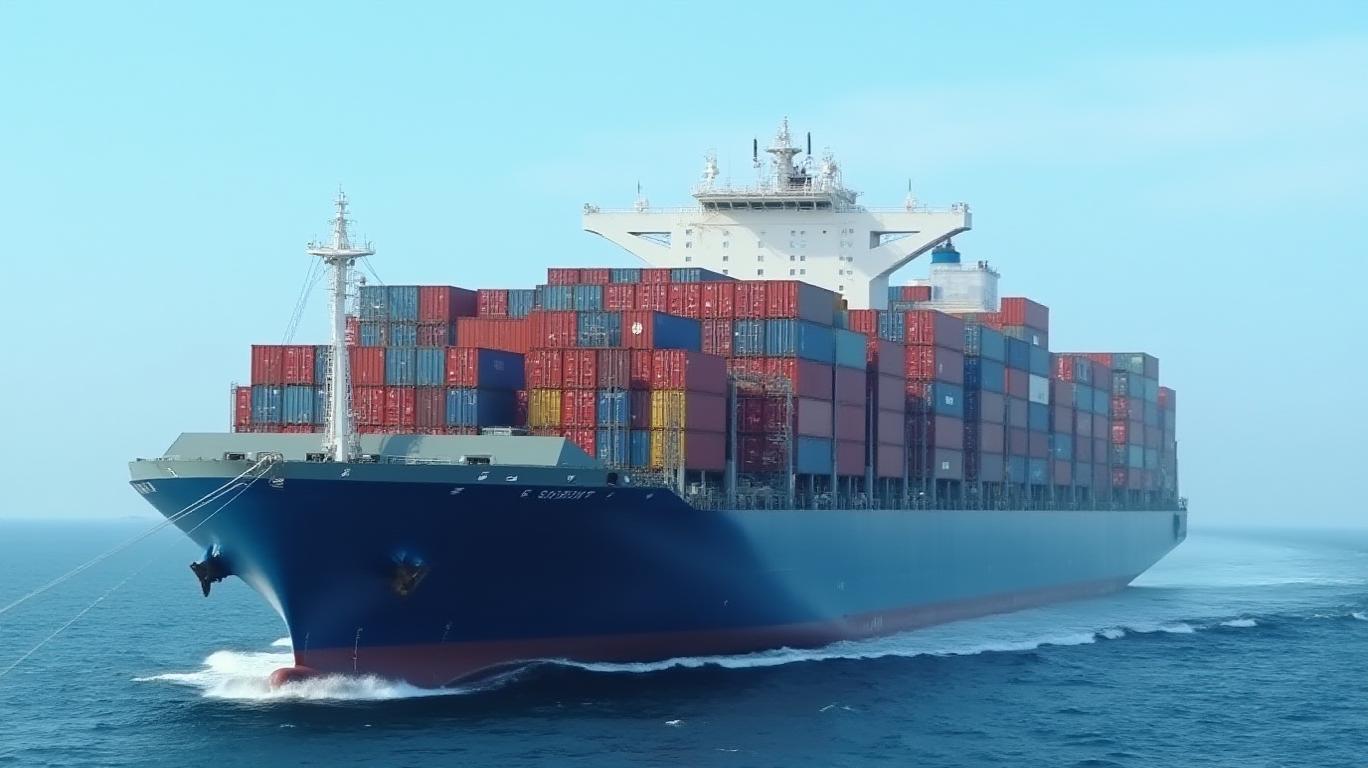
Costello, speaking at the annual conference of the Truckload Carriers Association (TCA), highlighted the potential for significant changes in freight patterns. He noted that Chinese ships might now offload all cargo in one port and move on, rather than making multiple stops. This could significantly impact smaller ports on the East Coast or the Gulf of Mexico, which are vital for exporters. "There’s a good chance a lot of these ocean carriers are not even going to make that call and not go to Mobile [Alabama] anymore," Costello said. This could hinder exporters from finding capacity to export their products, particularly in smaller ports.
The proposed fees are expected to elevate operational costs for shipping companies, which may be passed on to U.S. importers and exporters, potentially leading to higher consumer prices. The Federal Reserve Bank of New York has cautioned that such tariffs could introduce new inflationary pressures, particularly if exemptions for low-value imports are eliminated, affecting a wide range of consumer goods.
The USTR's proposal stems from a Section 301 investigation initiated in April 2024, which concluded that China's policies have significantly undercut competition, increasing its shipbuilding market share from less than 5% in 1999 to over 50% in 2023. This dominance has raised concerns about economic security and supply chain resilience in the United States. However, China has strongly opposed the U.S. proposal, asserting that it violates World Trade Organization (WTO) rules and U.S. laws. The China Shipowners' Association (CSA) has described the proposed actions as discriminatory, arguing that they infringe upon international trade agreements and could lead to increased tensions between the two nations.
The proposed fees could prompt shipping companies to alter their operations to avoid additional costs, potentially leading to fewer port calls in the United States. This shift could disrupt existing supply chains, affect port revenues, and necessitate adjustments in logistics strategies for businesses reliant on maritime transport. For example, the chief economist at the American Trucking Associations, Bob Costello, warned that the proposals could change freight patterns in the U.S., with Chinese ships potentially avoiding multiple port calls to minimize fees. This could hinder exporters from finding capacity to export their products, particularly in smaller ports on the East Coast or the Gulf of Mexico.
In summary, the proposed U.S. port fees on Chinese-built and operated vessels are likely to increase operational costs, prompt shifts in operational strategies, disrupt supply chains, impact profitability, and necessitate strategic adjustments for major global shipping companies. These changes could have far-reaching consequences for the global shipping industry and its stakeholders. The U.S. government's strategy to revitalize the domestic shipbuilding industry through these tariffs is likely to influence the broader geopolitical dynamics between the U.S. and China by increasing tensions and potentially leading to retaliatory measures from China. The proposed fees could disrupt global supply chains, affect port revenues, and necessitate adjustments in logistics strategies for businesses reliant on maritime transport. China may retaliate with higher tariffs on U.S. goods or restrictions on American vessels docking at Chinese ports, further straining trade relations and potentially leading to formal disputes under WTOWTO-- rules.



Divulgación editorial y transparencia de la IA: Ainvest News utiliza tecnología avanzada de Modelos de Lenguaje Largo (LLM) para sintetizar y analizar datos de mercado en tiempo real. Para garantizar los más altos estándares de integridad, cada artículo se somete a un riguroso proceso de verificación con participación humana.
Mientras la IA asiste en el procesamiento de datos y la redacción inicial, un miembro editorial profesional de Ainvest revisa, verifica y aprueba de forma independiente todo el contenido para garantizar su precisión y cumplimiento con los estándares editoriales de Ainvest Fintech Inc. Esta supervisión humana está diseñada para mitigar las alucinaciones de la IA y garantizar el contexto financiero.
Advertencia sobre inversiones: Este contenido se proporciona únicamente con fines informativos y no constituye asesoramiento profesional de inversión, legal o financiero. Los mercados conllevan riesgos inherentes. Se recomienda a los usuarios que realicen una investigación independiente o consulten a un asesor financiero certificado antes de tomar cualquier decisión. Ainvest Fintech Inc. se exime de toda responsabilidad por las acciones tomadas con base en esta información. ¿Encontró un error? Reportar un problema


SOBRE NOSOTROS
Nuestra historiaAutores de noticiasBase de conocimientosPolítica de privacidadTérmino de usoDescargo de responsabilidad de corretaje de tercerosTérminos de uso de AIMEDivulgaciones de riesgos de AInvest AICarrerasCONTÁCTENOS
Email: support@ainvest.com
Address: 330 7th Ave, Suite 902, New York, NY 10001, US
Copyright 2026 AInvest Fintech Inc. All rights reserved.


Comentarios
Aún no hay comentarios