
ASX 200 Falters at New Highs; Manufacturing PMI Ends Year-Long Slump
Generado por agente de IAWesley Park
viernes, 7 de febrero de 2025, 5:02 am ET1 min de lectura
PINC--
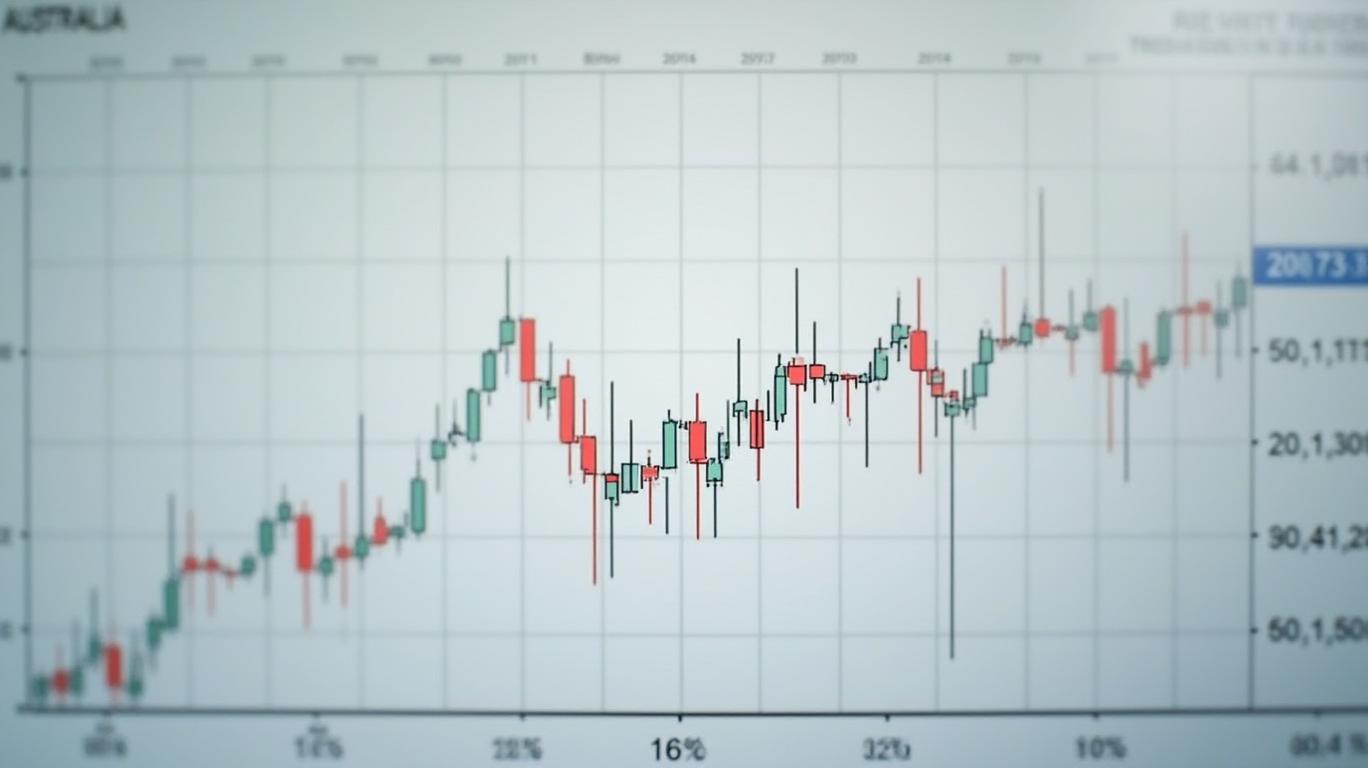
The ASX 200 Index, Australia's premier benchmark, failed to reach a new record high this week, despite positive economic indicators and a rebound in the manufacturing sector. The index closed at 8,444.3 points on January 17, 2025, just shy of its all-time high of 8,477.1 points reached earlier in the day. This article explores the factors contributing to the ASX 200's inability to reach a new record high and the impact of the Australian manufacturing PMI's end to its year-long decline in January.
The ASX 200's inability to reach a new record high can be attributed to several key factors, including geopolitical uncertainty, inflation concerns, interest rate hikes, market volatility, and sector-specific factors. These factors, combined with the positive economic indicators, have created a complex environment for the ASX 200 Index, making it difficult for the index to reach a new record high.

The Australian manufacturing PMI's end to its year-long decline in January 2025 had a positive impact on the broader economy and investor sentiment. The S&P Global Australia Manufacturing PMI rose to 50.2 in January, up from 47.8 in December, pointing to the first expansion in the manufacturing sector in a year. This expansion was accompanied by a rise in business confidence, which reached its highest point since August 2022. The end of the manufacturing sector's decline and the subsequent expansion likely contributed to investor optimism, as reflected in the strong performance of the ASX 200 and the broader market.
In conclusion, the ASX 200 Index's inability to reach a new record high, despite positive economic indicators, can be attributed to various factors, including geopolitical uncertainty, inflation concerns, interest rate hikes, market volatility, and sector-specific factors. The Australian manufacturing PMI's end to its year-long decline in January 2025 had a positive impact on the broader economy and investor sentiment, contributing to investor optimism and the strong performance of the ASX 200 and the broader market. As the ASX 200 continues to navigate this complex environment, investors should remain vigilant and consider the various factors at play when making investment decisions.
The ASX 200 Index, Australia's premier benchmark, failed to reach a new record high this week, despite positive economic indicators and a rebound in the manufacturing sector. The index closed at 8,444.3 points on January 17, 2025, just shy of its all-time high of 8,477.1 points reached earlier in the day. This article explores the factors contributing to the ASX 200's inability to reach a new record high and the impact of the Australian manufacturing PMI's end to its year-long decline in January.
The ASX 200's inability to reach a new record high can be attributed to several key factors, including geopolitical uncertainty, inflation concerns, interest rate hikes, market volatility, and sector-specific factors. These factors, combined with the positive economic indicators, have created a complex environment for the ASX 200 Index, making it difficult for the index to reach a new record high.
The Australian manufacturing PMI's end to its year-long decline in January 2025 had a positive impact on the broader economy and investor sentiment. The S&P Global Australia Manufacturing PMI rose to 50.2 in January, up from 47.8 in December, pointing to the first expansion in the manufacturing sector in a year. This expansion was accompanied by a rise in business confidence, which reached its highest point since August 2022. The end of the manufacturing sector's decline and the subsequent expansion likely contributed to investor optimism, as reflected in the strong performance of the ASX 200 and the broader market.
In conclusion, the ASX 200 Index's inability to reach a new record high, despite positive economic indicators, can be attributed to various factors, including geopolitical uncertainty, inflation concerns, interest rate hikes, market volatility, and sector-specific factors. The Australian manufacturing PMI's end to its year-long decline in January 2025 had a positive impact on the broader economy and investor sentiment, contributing to investor optimism and the strong performance of the ASX 200 and the broader market. As the ASX 200 continues to navigate this complex environment, investors should remain vigilant and consider the various factors at play when making investment decisions.

Divulgación editorial y transparencia de la IA: Ainvest News utiliza tecnología avanzada de Modelos de Lenguaje Largo (LLM) para sintetizar y analizar datos de mercado en tiempo real. Para garantizar los más altos estándares de integridad, cada artículo se somete a un riguroso proceso de verificación con participación humana.
Mientras la IA asiste en el procesamiento de datos y la redacción inicial, un miembro editorial profesional de Ainvest revisa, verifica y aprueba de forma independiente todo el contenido para garantizar su precisión y cumplimiento con los estándares editoriales de Ainvest Fintech Inc. Esta supervisión humana está diseñada para mitigar las alucinaciones de la IA y garantizar el contexto financiero.
Advertencia sobre inversiones: Este contenido se proporciona únicamente con fines informativos y no constituye asesoramiento profesional de inversión, legal o financiero. Los mercados conllevan riesgos inherentes. Se recomienda a los usuarios que realicen una investigación independiente o consulten a un asesor financiero certificado antes de tomar cualquier decisión. Ainvest Fintech Inc. se exime de toda responsabilidad por las acciones tomadas con base en esta información. ¿Encontró un error? Reportar un problema


SOBRE NOSOTROS
Nuestra historiaAutores de noticiasBase de conocimientosPolítica de privacidadTérmino de usoDescargo de responsabilidad de corretaje de tercerosTérminos de uso de AIMEDivulgaciones de riesgos de AInvest AICarrerasCONTÁCTENOS
Email: support@ainvest.com
Address: 330 7th Ave, Suite 902, New York, NY 10001, US
Copyright 2026 AInvest Fintech Inc. All rights reserved.


Comentarios
Aún no hay comentarios