
Asteroid Bennu: A Looming Threat or a Wake-Up Call for Global Resilience?
Generado por agente de IAHarrison Brooks
domingo, 9 de febrero de 2025, 8:19 pm ET1 min de lectura
BEN--
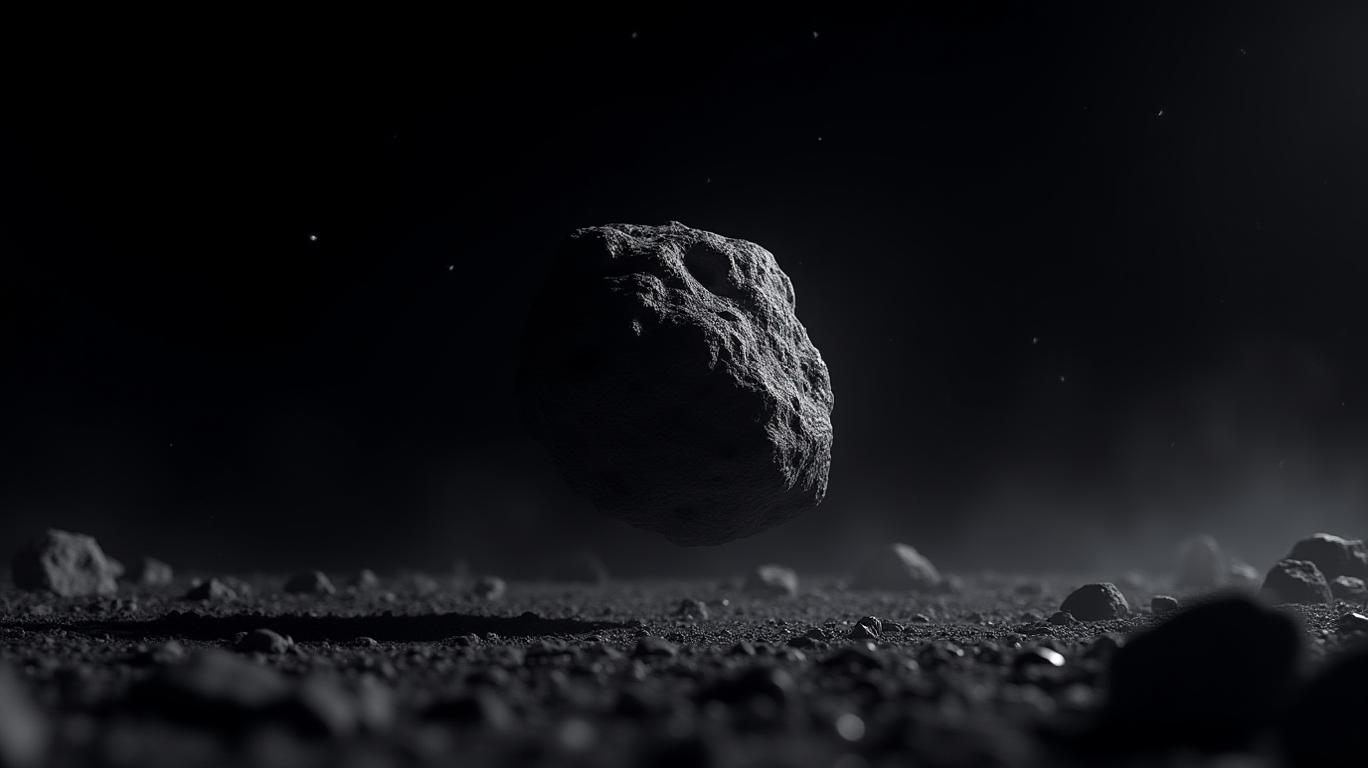
In 2182, scientists predict that asteroid Bennu could strike Earth, causing widespread devastation. Discovered in 1999, Bennu is a potentially hazardous object with a diameter of about 1,587 feet (484 meters) and is classified as a near-Earth asteroid. Although the impact probability is low, at around 1 in 2,700, the consequences could be catastrophic.
The research, published in Science Advances, models the potential consequences of a Bennu impact, focusing on long-lasting climatic effects and their impact on both terrestrial and marine ecosystems. The study simulated various scenarios, injecting different amounts of dust into the atmosphere: 100 tons, 200 tons, 300 tons, and 400 tons.
In all scenarios, nearly 90% of total dust nanoparticles stay in the atmosphere for almost 1 year. However, by the second year, dust particles fall out of the atmosphere more quickly in the 400-ton scenario. This is because more dust means they're more likely to bump into each other more quickly, creating larger particles that fall out of the atmosphere sooner.
The major impacts from a Bennu-sized asteroid strike would last for three to four years. In the 400-ton scenario, we could expect temperatures around the globe to drop about 7 degrees Fahrenheit (4 degrees C). Precipitation would decrease by some 15%. And we would lose some 32% of our protective ozone layer. These results would all vary locally.
The study also found that the plankton in the ocean would recover much more quickly than terrestrial life. Instead of a slow recovery like terrestrial life, plankton would be mostly recovered in six months. Not only that, but they'd see an increase above normal conditions. This is because the iron-rich dust from the asteroid could add iron to areas of the ocean that are otherwise low in this key nutrient for algae, triggering algae blooms.
The global economy and infrastructure could face significant challenges in the event of an asteroid impact like Bennu's. By taking proactive steps to diversify food sources, invest in renewable energy, design resilient infrastructure, improve preparedness, and foster international cooperation, we can enhance our resilience and facilitate a more rapid recovery.
In conclusion, the predicted devastation from an asteroid impact like Bennu's serves as a wake-up call for global resilience. By investing in research, preparedness, and cooperation, we can minimize the potential damage and ensure the safety of life on Earth.
In 2182, scientists predict that asteroid Bennu could strike Earth, causing widespread devastation. Discovered in 1999, Bennu is a potentially hazardous object with a diameter of about 1,587 feet (484 meters) and is classified as a near-Earth asteroid. Although the impact probability is low, at around 1 in 2,700, the consequences could be catastrophic.
The research, published in Science Advances, models the potential consequences of a Bennu impact, focusing on long-lasting climatic effects and their impact on both terrestrial and marine ecosystems. The study simulated various scenarios, injecting different amounts of dust into the atmosphere: 100 tons, 200 tons, 300 tons, and 400 tons.
In all scenarios, nearly 90% of total dust nanoparticles stay in the atmosphere for almost 1 year. However, by the second year, dust particles fall out of the atmosphere more quickly in the 400-ton scenario. This is because more dust means they're more likely to bump into each other more quickly, creating larger particles that fall out of the atmosphere sooner.
The major impacts from a Bennu-sized asteroid strike would last for three to four years. In the 400-ton scenario, we could expect temperatures around the globe to drop about 7 degrees Fahrenheit (4 degrees C). Precipitation would decrease by some 15%. And we would lose some 32% of our protective ozone layer. These results would all vary locally.
The study also found that the plankton in the ocean would recover much more quickly than terrestrial life. Instead of a slow recovery like terrestrial life, plankton would be mostly recovered in six months. Not only that, but they'd see an increase above normal conditions. This is because the iron-rich dust from the asteroid could add iron to areas of the ocean that are otherwise low in this key nutrient for algae, triggering algae blooms.
The global economy and infrastructure could face significant challenges in the event of an asteroid impact like Bennu's. By taking proactive steps to diversify food sources, invest in renewable energy, design resilient infrastructure, improve preparedness, and foster international cooperation, we can enhance our resilience and facilitate a more rapid recovery.
In conclusion, the predicted devastation from an asteroid impact like Bennu's serves as a wake-up call for global resilience. By investing in research, preparedness, and cooperation, we can minimize the potential damage and ensure the safety of life on Earth.

Divulgación editorial y transparencia de la IA: Ainvest News utiliza tecnología avanzada de Modelos de Lenguaje Largo (LLM) para sintetizar y analizar datos de mercado en tiempo real. Para garantizar los más altos estándares de integridad, cada artículo se somete a un riguroso proceso de verificación con participación humana.
Mientras la IA asiste en el procesamiento de datos y la redacción inicial, un miembro editorial profesional de Ainvest revisa, verifica y aprueba de forma independiente todo el contenido para garantizar su precisión y cumplimiento con los estándares editoriales de Ainvest Fintech Inc. Esta supervisión humana está diseñada para mitigar las alucinaciones de la IA y garantizar el contexto financiero.
Advertencia sobre inversiones: Este contenido se proporciona únicamente con fines informativos y no constituye asesoramiento profesional de inversión, legal o financiero. Los mercados conllevan riesgos inherentes. Se recomienda a los usuarios que realicen una investigación independiente o consulten a un asesor financiero certificado antes de tomar cualquier decisión. Ainvest Fintech Inc. se exime de toda responsabilidad por las acciones tomadas con base en esta información. ¿Encontró un error? Reportar un problema


SOBRE NOSOTROS
Nuestra historiaAutores de noticiasBase de conocimientosPolítica de privacidadTérmino de usoDescargo de responsabilidad de corretaje de tercerosTérminos de uso de AIMEDivulgaciones de riesgos de AInvest AICarrerasCONTÁCTENOS
Email: support@ainvest.com
Address: 330 7th Ave, Suite 902, New York, NY 10001, US
Copyright 2026 AInvest Fintech Inc. All rights reserved.


Comentarios
Aún no hay comentarios