
Asset Manager Challenges US Steel-Nippon Deal After Stake Purchase
Generado por agente de IAHarrison Brooks
lunes, 27 de enero de 2025, 7:56 am ET2 min de lectura
SNFCA--
An unidentified asset manager has taken a significant stake in US Steel and is now challenging the proposed acquisition of the company by Japan's Nippon Steel. The asset manager's intervention has raised concerns about the deal's impact on national security, job security, and market competition, potentially influencing the outcome of the acquisition.
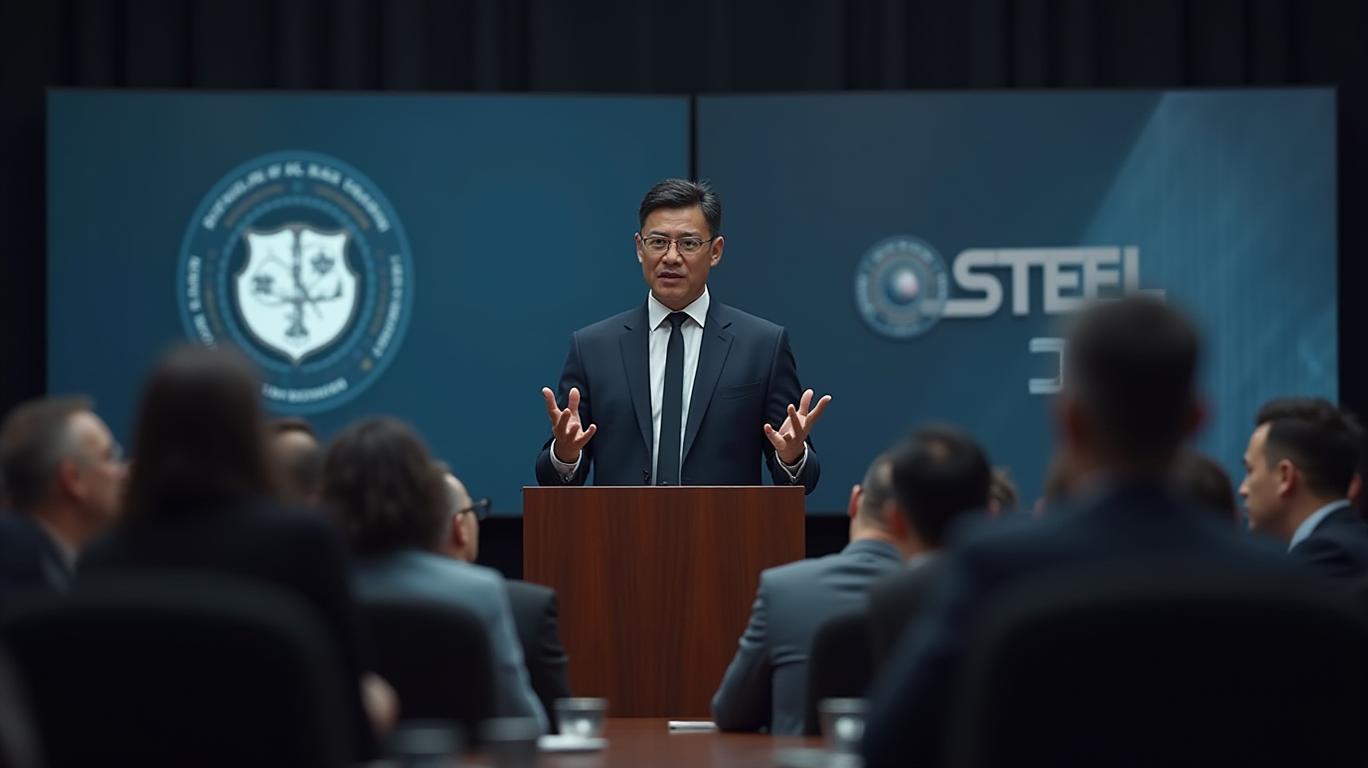
The asset manager's strategic motivations for taking a stake in US Steel and attempting to block the Nippon Steel acquisition are multifaceted. Primarily, they are driven by a desire to preserve US national security by maintaining domestic ownership and control of a significant US steel producer. This is particularly important in an election year, as the political implications of a foreign acquisition could be significant. Additionally, the asset manager is focused on job security and local economic impact, as well as market competition and trade protection. By opposing the Nippon Steel acquisition, the asset manager can demonstrate its commitment to US national security and economic interests, potentially currying favor with influential politicians and policymakers.
The asset manager's intervention has significantly impacted the competitive landscape of the US steel industry. The blocked acquisition has prevented Nippon Steel, the world's fourth-largest steelmaker, from entering the US market, denying US Steel access to advanced technologies and resources that could have enhanced its global competitiveness. The loss of investment from Nippon Steel, including at least $1 billion to Mon Valley Works and approximately $300 million to Gary Works, totaling $2.7 billion, has put these investments at risk. The potential job losses and local economic impacts could lead to job insecurity and a less stable workforce and community support for US Steel. Geopolitically, the blocked acquisition may strengthen China's dominance in the steel industry, as US Steel will not have access to advanced technologies and resources.
The asset manager faces several regulatory and legal challenges in attempting to quash the US Steel-Nippon deal. The primary hurdle is the national security review conducted by the Committee on Foreign Investment in the United States (CFIUS), which has the authority to block or impose conditions on foreign acquisitions that could pose a threat to national security. The asset manager would need to challenge the CFIUS review process and demonstrate that the acquisition does not pose a national security threat. Additionally, the asset manager may face political headwinds, as both President Biden and former President Trump have expressed opposition to the deal. The asset manager would need to navigate these political dynamics and potentially challenge the political influence on the regulatory process. The asset manager could also raise due process concerns, antitrust concerns, labor concerns, and file lawsuits challenging the CFIUS review process, President Biden's decision, or other aspects of the regulatory process.
To overcome these challenges, the asset manager would need to present a strong case demonstrating that the acquisition does not pose a national security threat, is in the best interests of US Steel's stakeholders, and complies with relevant laws and regulations. They would also need to navigate the political landscape and address the concerns of various stakeholders, including workers, consumers, and regulators.
In conclusion, the asset manager's intervention in the US Steel-Nippon deal has raised strategic concerns about national security, job security, and market competition. The asset manager faces regulatory and legal challenges in attempting to quash the deal, which could influence the outcome of the acquisition. The ultimate resolution of this dispute will have significant implications for the US steel industry, US Steel's operations and market position, and the broader geopolitical landscape.
An unidentified asset manager has taken a significant stake in US Steel and is now challenging the proposed acquisition of the company by Japan's Nippon Steel. The asset manager's intervention has raised concerns about the deal's impact on national security, job security, and market competition, potentially influencing the outcome of the acquisition.
The asset manager's strategic motivations for taking a stake in US Steel and attempting to block the Nippon Steel acquisition are multifaceted. Primarily, they are driven by a desire to preserve US national security by maintaining domestic ownership and control of a significant US steel producer. This is particularly important in an election year, as the political implications of a foreign acquisition could be significant. Additionally, the asset manager is focused on job security and local economic impact, as well as market competition and trade protection. By opposing the Nippon Steel acquisition, the asset manager can demonstrate its commitment to US national security and economic interests, potentially currying favor with influential politicians and policymakers.
The asset manager's intervention has significantly impacted the competitive landscape of the US steel industry. The blocked acquisition has prevented Nippon Steel, the world's fourth-largest steelmaker, from entering the US market, denying US Steel access to advanced technologies and resources that could have enhanced its global competitiveness. The loss of investment from Nippon Steel, including at least $1 billion to Mon Valley Works and approximately $300 million to Gary Works, totaling $2.7 billion, has put these investments at risk. The potential job losses and local economic impacts could lead to job insecurity and a less stable workforce and community support for US Steel. Geopolitically, the blocked acquisition may strengthen China's dominance in the steel industry, as US Steel will not have access to advanced technologies and resources.
The asset manager faces several regulatory and legal challenges in attempting to quash the US Steel-Nippon deal. The primary hurdle is the national security review conducted by the Committee on Foreign Investment in the United States (CFIUS), which has the authority to block or impose conditions on foreign acquisitions that could pose a threat to national security. The asset manager would need to challenge the CFIUS review process and demonstrate that the acquisition does not pose a national security threat. Additionally, the asset manager may face political headwinds, as both President Biden and former President Trump have expressed opposition to the deal. The asset manager would need to navigate these political dynamics and potentially challenge the political influence on the regulatory process. The asset manager could also raise due process concerns, antitrust concerns, labor concerns, and file lawsuits challenging the CFIUS review process, President Biden's decision, or other aspects of the regulatory process.
To overcome these challenges, the asset manager would need to present a strong case demonstrating that the acquisition does not pose a national security threat, is in the best interests of US Steel's stakeholders, and complies with relevant laws and regulations. They would also need to navigate the political landscape and address the concerns of various stakeholders, including workers, consumers, and regulators.
In conclusion, the asset manager's intervention in the US Steel-Nippon deal has raised strategic concerns about national security, job security, and market competition. The asset manager faces regulatory and legal challenges in attempting to quash the deal, which could influence the outcome of the acquisition. The ultimate resolution of this dispute will have significant implications for the US steel industry, US Steel's operations and market position, and the broader geopolitical landscape.

Divulgación editorial y transparencia de la IA: Ainvest News utiliza tecnología avanzada de Modelos de Lenguaje Largo (LLM) para sintetizar y analizar datos de mercado en tiempo real. Para garantizar los más altos estándares de integridad, cada artículo se somete a un riguroso proceso de verificación con participación humana.
Mientras la IA asiste en el procesamiento de datos y la redacción inicial, un miembro editorial profesional de Ainvest revisa, verifica y aprueba de forma independiente todo el contenido para garantizar su precisión y cumplimiento con los estándares editoriales de Ainvest Fintech Inc. Esta supervisión humana está diseñada para mitigar las alucinaciones de la IA y garantizar el contexto financiero.
Advertencia sobre inversiones: Este contenido se proporciona únicamente con fines informativos y no constituye asesoramiento profesional de inversión, legal o financiero. Los mercados conllevan riesgos inherentes. Se recomienda a los usuarios que realicen una investigación independiente o consulten a un asesor financiero certificado antes de tomar cualquier decisión. Ainvest Fintech Inc. se exime de toda responsabilidad por las acciones tomadas con base en esta información. ¿Encontró un error? Reportar un problema


SOBRE NOSOTROS
Nuestra historiaAutores de noticiasBase de conocimientosPolítica de privacidadTérmino de usoDescargo de responsabilidad de corretaje de tercerosTérminos de uso de AIMEDivulgaciones de riesgos de AInvest AICarrerasCONTÁCTENOS
Email: support@ainvest.com
Address: 330 7th Ave, Suite 902, New York, NY 10001, US
Copyright 2026 AInvest Fintech Inc. All rights reserved.


Comentarios
Aún no hay comentarios