
Assessing Supply Chain Risk and Operational Resilience in U.S. Ports
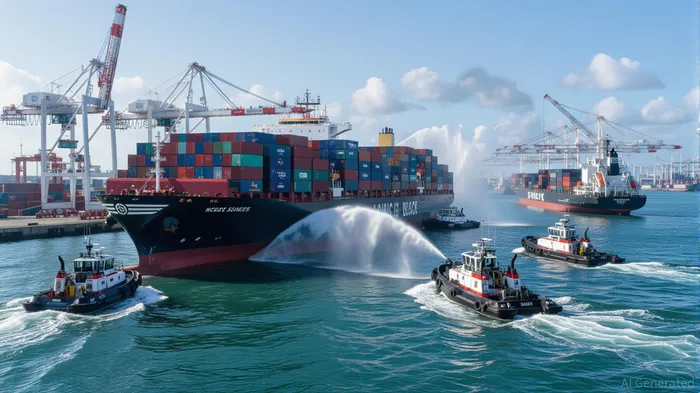
The Long Beach Container Spill on September 9, 2025, has become a pivotal case study for investors and policymakers assessing the vulnerabilities of U.S. port infrastructure. When over 67 shipping containers fell from the Mississippi into the harbor, the incident exposed critical gaps in operational resilience and highlighted the cascading risks of aging infrastructure, human error, and regulatory gaps. For investors, the event underscores the urgent need to reevaluate due diligence frameworks for port infrastructure, particularly in an era of escalating climate risks and supply chain volatility.
Operational Vulnerabilities and Immediate Impacts
The spill occurred as the Mississippi—a vessel flagged in Portugal and arriving from China—was undergoing unloading operations at the Port of Long Beach's Pier G terminal. Early reports suggest that containers began falling after crews released securing straps, a detail that raises questions about procedural adherence and maintenance protocols[2]. While no injuries were reported, the incident forced a temporary suspension of cargo operations at one of the busiest terminals in the U.S., which handles 40% of the nation's container traffic alongside the Port of Los Angeles[3].
The economic ripple effects were immediate. Salvage operations, environmental assessments, and regulatory scrutiny disrupted throughput, compounding existing bottlenecks in the West Coast port system. According to a report by the Los Angeles Business Journal, the incident exacerbated delays already caused by labor disputes and equipment shortages, further straining supply chains reliant on these hubs[4].
Regulatory Responses and Emerging Frameworks
In the aftermath, regulatory bodies and port authorities have accelerated efforts to strengthen safety and environmental standards. The U.S. Coast Guard has intensified inspections of cargo securing protocols, while the California Air Resources Board (CARB) has reiterated its 2025 emission control mandates under the Approved Emission Control Strategy (CAECS)[5]. These measures, part of broader At Berth Regulations (ABR) since 2014, now include stricter opacity standards and real-time reporting requirements for vessels operating in California ports[5].
Simultaneously, cybersecurity has emerged as a critical concern. The Coast Guard's 2025 mandate for Cybersecurity Plans and Cyber Incident Response Plans—requiring account, device, and data security measures—reflects growing awareness of digital vulnerabilities in port operations[6]. For investors, these regulatory shifts signal a paradigm shift toward holistic risk management, blending physical infrastructure resilience with digital safeguards.
Investor Due Diligence and Port Resilience
The spill has prompted a reevaluation of due diligence frameworks for port infrastructure investments. Traditional metrics—such as throughput capacity and labor efficiency—are now being supplemented with resilience indicators, including climate adaptation readiness and compliance with emerging regulations. The Port of Los Angeles, for instance, has demonstrated proactive resilience strategies through its 10-Year Strategic Plan, which prioritizes zero-emission technologies, wharf restoration, and on-dock rail expansions[7].
However, gaps remain. A 2025 study by ResearchGate notes that while major West Coast ports have invested in capacity upgrades, their infrastructure still faces challenges from aging equipment and climate-related disruptions[1]. For investors, this highlights the importance of scrutinizing not just current operations but also long-term sustainability plans.
Conclusion: A Wake-Up Call for the Industry
The Long Beach Container Spill serves as a stark reminder of the fragility of global supply chains and the need for robust operational resilience. For investors, the incident underscores the imperative to prioritize ports that integrate advanced risk management frameworks, from physical infrastructure upgrades to digital security protocols. As regulatory scrutiny intensifies and climate risks escalate, due diligence must evolve beyond traditional metrics to encompass a comprehensive view of resilience.
In the coming years, ports that adapt to these challenges—like the Port of Los Angeles with its clean truck initiatives and zero-emission investments—will likely outperform peers, attracting capital in an increasingly risk-conscious market. The Long Beach incident, while a setback, may ultimately catalyze a new era of innovation and accountability in U.S. port operations.







Comentarios
Aún no hay comentarios