
Assessing the Risks and Opportunities of ZK-Layer 2 Networks Amid Prolonged Outages: The Case of Zero Network
The rise of zero-knowledge (ZK) rollups as a cornerstone of Ethereum's Layer 2 (L2) scaling solutions has been hailed as a transformative force in blockchain infrastructure. However, 2025 has exposed critical vulnerabilities in these systems, particularly for networks like Zero Network (Starknet), which have faced repeated outages, security concerns, and mixed market reactions. This analysis evaluates the interplay of network reliability, technical risks, and investor sentiment in ZK-rollup ecosystems, using Zero Network's 2025 outages as a case study to assess the broader implications for investors.
Network Reliability: A Fragile Foundation
Zero Network's ZK-rollup architecture, while theoretically robust, has struggled with operational stability in 2025. The most notable incident occurred in September 2025, when the Grinta v0.14.0 upgrade triggered a nine-hour outage. This disruption stemmed from a cascade of issues, including EthereumETH-- RPC provider failures and sequencer bugs, necessitating two chain reorganizations and forcing users to resubmit transactions. Earlier in the year, a multi-hour outage linked to sequencer instability further highlighted the fragility of the network's infrastructure.
These outages underscore a critical challenge: ZK-rollups, despite their cryptographic finality, remain dependent on centralized components like sequencers and RPC providers during upgrades. According to a report by Crypto APIs Node, such dependencies create single points of failure that can halt transaction processing and disrupt decentralized applications (dApps). For Zero Network, the recurring downtime has eroded trust among developers and users, particularly in high-stakes sectors like DeFi and BTCFi, where consistent uptime is non-negotiable.
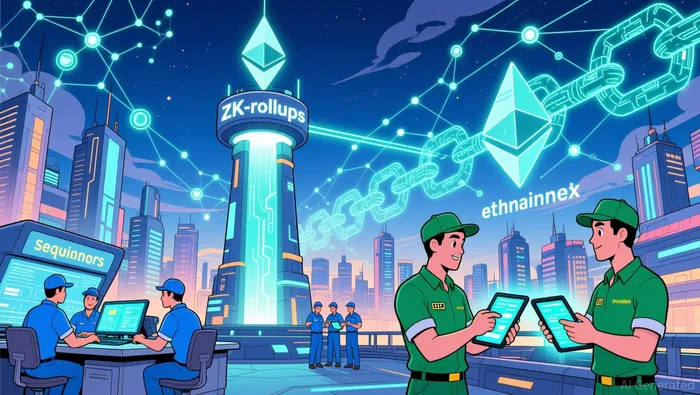
Security Vulnerabilities: Complexity as a Double-Edged Sword
The technical complexity of ZK-rollups introduces unique security risks. In January 2026, a four-hour outage revealed a mismatch between block execution logic and the proving system, caused by non-standard transactions the sequencer could not reconcile. This incident, while not resulting in fund losses, exposed the inherent instability of balancing cryptographic proofs with decentralization efforts.
Moreover, the Grinta upgrade's failure highlighted the risks of rapid, large-scale software updates. As stated by the Starknet team in a post-mortem analysis, the upgrade introduced bugs that destabilized sequencer behavior, leading to prolonged downtime. These vulnerabilities are not unique to Zero Network but are emblematic of the broader challenges in scaling ZK-rollups, where innovation often outpaces operational maturity.
Market Sentiment: Resilience Amid Uncertainty
Despite the technical setbacks, market sentiment toward Zero Network has shown surprising resilience. During the September 2025 outage, the native STRKSTRK-- token price remained stable, even posting a 1.6% gain in the 24-hour period. However, this muted response may reflect investor resignation rather than confidence. The token's performance has lagged far below its 2024 peak, and broader concerns about tokenomics-such as inflationary pressures- continue to weigh on long-term fundamentals.
The October 11, 2025 crypto crash, unrelated to Zero Network but coinciding with its outages, further complicated market dynamics. While BitcoinBTC-- and Ethereum plummeted, STRK's relative stability suggests a degree of decoupling from macro trends. Yet, as noted by AltFins, the crash exacerbated liquidity issues and amplified fears of systemic fragility in the crypto market. This context raises questions about whether investors are prioritizing short-term stability over long-term trust in ZK-rollup ecosystems.
Opportunities and Mitigation Strategies
Despite the risks, ZK-rollups remain a critical component of Ethereum's scaling roadmap. Ethereum's planned 2026 upgrades aim to enhance interoperability and scalability, potentially reinforcing the role of ZK-rollups like Zero Network. For investors, the key lies in assessing whether projects can address their operational weaknesses while maintaining technological leadership.
Zero Network's team has acknowledged the need for architectural changes, including expanded monitoring and infrastructure hardening. However, these measures must be paired with transparent communication to rebuild trust. As highlighted by MEXC in its analysis, recurring outages have already damaged the network's reputation as a reliable platform for DeFi and BTCFi. Investors should monitor progress on these fronts, as operational resilience will be pivotal in determining long-term success.
Conclusion
The 2025 outages of Zero Network reveal a paradox: ZK-rollups offer groundbreaking security and scalability but remain vulnerable to operational instability and market skepticism. While the STRK token's price resilience suggests some investor tolerance for growing pains, the broader implications for network reliability and security cannot be ignored. For ZK-rollups to fulfill their potential, projects must prioritize robust infrastructure, transparent governance, and proactive risk management. Investors, in turn, should weigh these factors carefully, recognizing that the path to mainstream adoption is fraught with both promise and peril.






Comentarios
Aún no hay comentarios