
Assessing Retail and Consumer Confidence Risks in the Wake of Major Grocery Brand Recalls
The Recall and Its Immediate Implications
The FDA " event, indicating the products could cause temporary or medically reversible health issues, such as dental damage or digestive tract injuries. While no illnesses were reported, . states and Puerto Rico-triggered widespread public concern. Brands like Walmart's Great Value, Target's Good & Gather, and Aldi's Happy Farms were directly implicated, as reported by USA Today, raising questions about and quality control.
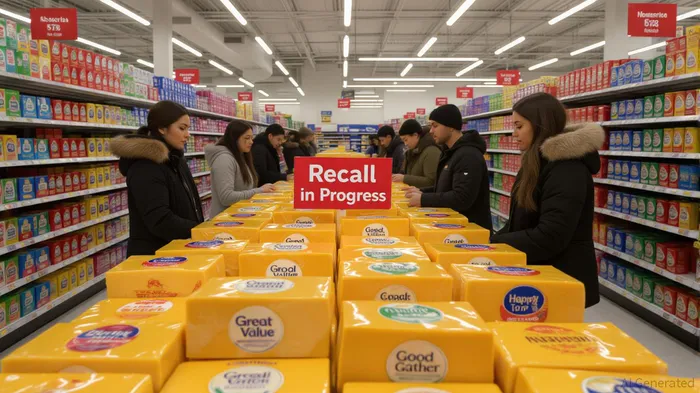
According to a report by USA Today, the recall was initiated voluntarily by Great Lakes Cheese Co. but later reclassified by the FDA, reflecting heightened . This shift highlighted the agency's role in balancing with economic impacts, as the recalled products accounted for a significant share of pre-packaged cheese sales in the U.S.
Retail Stock Resilience: Mixed Signals for Investors
Despite the magnitude of the recall, direct financial data on stock price movements for WalmartWMT--, Target, and Aldi remains sparse. However, analysts note that the absence of reported illnesses and the Class II designation likely mitigated immediate . For instance, a Yahoo Finance analysis observed that while the recall drew public attention, it did not trigger sharp declines .
Investor confidence, however, appears more nuanced. The recall coincided with broader about food safety, as highlighted by StockTwits in its assessment of "" among consumers. This fatigue-driven by frequent product recalls in the packaged food sector-may indirectly pressure investor sentiment, even if quarterly earnings remain unaffected.
Consumer Behavior: Trust and Recall Fatigue
Consumer responses to the recall reveal a complex interplay of trust and skepticism. A Today investigation noted that amplified both legitimate concerns and humorous critiques of the recall, reflecting fragmented . Meanwhile, the to discard or return affected products-without offering compensation for unused items-risked alienating price-sensitive shoppers, particularly in Aldi and Walmart's core demographics.
Surveys cited by Newsweek suggest that while most consumers complied with the recall, a subset expressed frustration over the frequency of such events. This "recall fatigue" could erode long-term , particularly if similar incidents recur. For example, Target's Good & Gather brand, already under scrutiny for past recalls, faces heightened .
Long-Term Retail Resilience: Lessons for Investors
The 2025 cheese recall underscores the importance of proactive in retail. Walmart's swift refund policy and Aldi's emphasis on private-label transparency may serve as mitigants for consumer backlash. However, the incident also highlights in the supply chain, particularly for retailers reliant on .
For investors, the key takeaway lies in the interplay between and brand equity. . This suggests that Walmart, Target, and Aldi must invest in and customer education to rebuild confidence.
Conclusion
The 2025 cheese recall serves as a cautionary tale for the retail sector. While immediate on stock prices appear limited, the erosion of and the rise of recall fatigue pose long-term risks. For investors, the focus should shift from short-term volatility to evaluating how retailers adapt their operational and . In an era of heightened regulatory and consumer expectations, resilience will depend not just on crisis response, but on sustained commitments to transparency and quality.





Comentarios
Aún no hay comentarios