
Assessing Regional Geopolitical Risks and Their Impact on Commodity and Defense Sectors Amid U.S.-Iran Tensions in 2025
As we approach the end of 2025, the U.S.-Iran geopolitical standoff has escalated to a critical inflection point. U.S. airstrikes on Iranian nuclear facilities in June 2025, coupled with Iran's retaliatory military posturing and domestic unrest, have created a volatile environment with cascading effects on global markets. For investors, the interplay between defense sector equities and safe-haven commodities has become a focal point for strategic positioning. This analysis examines the current landscape, historical precedents, and actionable insights for navigating this high-stakes scenario.
Defense Sector: A Magnet for Capital Amid Escalating Tensions
The defense sector has emerged as a key beneficiary of the heightened risk environment. Shares of major defense contractors such as Northrop Grumman (NOC), Lockheed Martin (LMT), and RTX Corp. (RTX) surged by over 3% in response to U.S. military actions, reflecting investor anticipation of increased defense spending and regional operations. This aligns with historical patterns: during the 1990 Gulf War, defense stocks saw similar gains as governments prioritized security infrastructure.
The rationale is straightforward. As tensions persist, demand for advanced military technology, surveillance systems, and logistics support is likely to grow. Companies specializing in energy infrastructure protection and cybersecurity-such as those involved in securing oil supply chains through the Strait of Hormuz- could see disproportionate gains. However, the sector's performance remains contingent on the conflict's duration and geographic scope. If hostilities remain localized, defense stocks may continue to outperform; if they escalate into a broader regional war, volatility could spike, necessitating closer hedging strategies.
Safe-Haven Commodities: Gold, Silver, and Oil as Inflation Hedges
Safe-haven assets have rallied as investors seek refuge from geopolitical uncertainty. Gold futures climbed 1.5% to $3,455 an ounce in late 2025, nearing two-month highs, while silver prices surged to a record $83.64 per ounce, driven by supply constraints and the Fed's dovish rate outlook. These trends mirror historical behavior: during the 1990 Gulf War, gold prices rose by an average of 4.2% in the 30 days following a crisis, and silver saw a 3.7% average return.
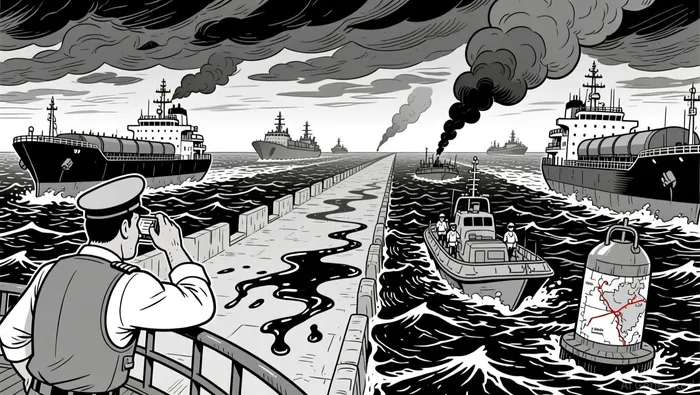
Oil markets, meanwhile, have experienced sharp but mixed dynamics. West Texas Intermediate (WTI) crude surged 7.6% to $73.20 per barrel in response to fears of supply disruptions, though prices stabilized near $77 by year-end as the immediate threat subsided. The Strait of Hormuz remains a critical vulnerability, with even minor disruptions capable of triggering a 10%+ spike in crude prices. For investors, this underscores the importance of diversifying energy exposure-both through direct oil sector equities (e.g., Occidental Petroleum (OXY), Diamondback Energy (FANG)) and physical commodities.
Historical Context: Lessons from Past Conflicts
History provides a roadmap for understanding market behavior during U.S.-Iran crises. During the 1990 Gulf War, crude prices surged by 10.1% in the first week of hostilities, while the U.S. dollar appreciated by 12% as investors flocked to Treasuries. Similarly, in 2025, Treasury yields plummeted as capital flowed into safe assets, a pattern consistent with past geopolitical shocks.
Gold's performance, however, has shown a nuanced "flight paradox." While it initially dipped 2.8% in the immediate aftermath of the June 2025 strikes, it embarked on a 14-week rally, yielding 9.1% by year-end. This highlights the importance of patience in commodity investing: safe-haven assets often underperform in the short term but outperform over medium-term horizons.
Strategic Positioning: Balancing Risk and Reward
For investors, the key lies in balancing exposure to defense equities and safe-haven commodities while mitigating downside risk. Here's a framework for strategic positioning:
- Defense Sector: Overweight stocks with strong government contracts and diversified product portfolios. Prioritize firms with exposure to regional security infrastructure (e.g., APA Corp. (APA)) and cybersecurity.
- Commodities: Allocate to gold and silver as long-term hedges, while maintaining a tactical position in oil to capitalize on volatility. Consider index funds or ETFs for diversified exposure.
- Diversification: Offset equity risk with U.S. Treasuries or dollar-pegged assets, which historically perform well during crises.
Conclusion: Navigating the New Normal
The U.S.-Iran tensions of 2025 have created a high-risk, high-reward environment. While defense equities and safe-haven commodities offer compelling opportunities, success hinges on disciplined risk management and a nuanced understanding of historical trends. As the year closes, investors must remain agile, prepared to adjust allocations as geopolitical dynamics evolve.





Comentarios
Aún no hay comentarios