
Assessing Operational Risk Exposure in Communications Firms Amid Disruptions
The communications sector in 2025 is navigating a complex web of operational risks, driven by rapid digital transformation, evolving regulatory frameworks, and persistent talent shortages. TELUS Digital's recent challenges-spanning compliance hurdles, cybersecurity threats, and workforce constraints-serve as a microcosm of broader industry pressures. These issues underscore both the vulnerabilities and opportunities for investors in a sector poised for strategic reinvention.
Regulatory Compliance: A Double-Edged Sword
TELUS Digital's struggles with compliance, cited as a top operational challenge by 44% of enterprise leaders, reflect the sector-wide impact of tightening regulations. The EU AI Act, now in phased enforcement, mandates transparency and governance for high-risk AI systems, requiring businesses to document technical processes and mitigate biases, according to an AI News update. For communications firms, this means embedding compliance into product design cycles and adopting explainability tools for AI-driven services, per an ACSmi analysis. However, regulatory complexity risks stifling innovation, particularly for smaller players unable to absorb compliance costs, the AI News update warns.
The EU's Cyber Resilience Act (CRA) compounds these pressures by imposing security standards on connected devices, including legacy systems, in an Aon analysis. While such measures enhance resilience, they also demand significant capital for retrofitting infrastructure-a challenge TELUSTU-- Digital addresses through hybrid AI-human solutions. Investors must weigh these regulatory burdens against long-term gains in market credibility and risk mitigation.
Cybersecurity: Balancing Automation and Human Expertise
Cybersecurity remains a critical investment area, with enterprises allocating 68% of budgets to ID verification and 66% to fraud detection, TELUS Digital reports. Despite growing automation, 79% of ID verification and 61% of KYC processes still rely on human oversight, the Aon analysis notes. TELUS Digital's hybrid model mirrors this trend, combining AI-driven efficiency with human judgment to balance speed and accuracy, as the ACSmi analysis highlights.
However, the sector faces a paradox: while AI is a powerful defense tool, it is also weaponized by attackers for phishing and zero-day exploits, a risk TELUS Digital emphasizes. The average of 1,984 weekly cyberattacks per organization in 2025 highlights the urgency of adaptive strategies. TELUS Digital's focus on end-to-end encryption and audit-ready logging aligns with best practices, though such measures require sustained investment.
Talent Shortages: A Looming Crisis
The global cybersecurity workforce shortage-4.8 million unfilled roles in 2025-is detailed in a Xantrion report and poses a systemic risk. TELUS Digital's 39% shortage of technical talent is emblematic of a sector-wide crisis, exacerbated by fragmented training programs and high turnover. While upskilling initiatives and partnerships with Managed Security Service Providers (MSSPs) offer short-term relief, the Xantrion report argues that long-term solutions demand corporate investment in education and inclusive hiring.
The EU's AI Continent Action Plan, with its €200 billion InvestAI initiative, aims to address this gap by training AI experts and expanding AI Factories. For communications firms, aligning with such programs could unlock access to a skilled talent pool while advancing digital sovereignty goals.
Strategic Opportunities in Risk Mitigation
Investors should focus on three areas:
1. Hybrid Solutions: Companies like TELUS Digital that integrate AI and human expertise are well-positioned to meet compliance and security demands.
2. Regulatory Partnerships: Firms leveraging EU grants, such as the €390 million allocated by the European Cybersecurity Competence Centre, can offset compliance costs while innovating.
3. Talent Ecosystems: Investments in upskilling platforms and university-industry collaborations will address the talent shortage, ensuring sustainable growth.
Conclusion
TELUS Digital's operational challenges highlight the dual pressures of regulatory compliance and cybersecurity in the communications sector. While these risks are significant, they also create opportunities for firms that prioritize innovation, strategic partnerships, and talent development. Investors who recognize these dynamics can capitalize on a sector undergoing transformative change, balancing short-term vulnerabilities with long-term resilience.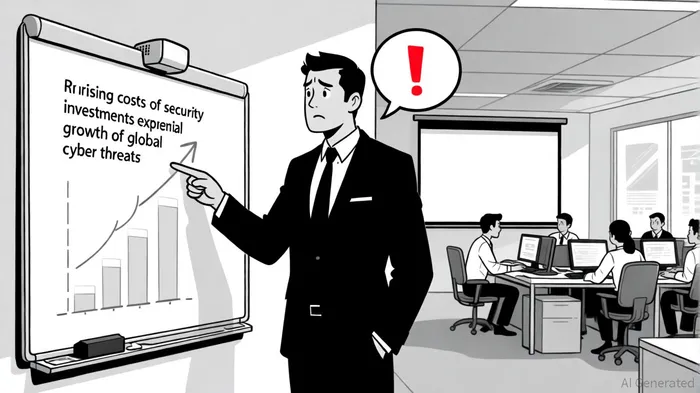





Comentarios
Aún no hay comentarios