
Assessing Market Optimism: The Impact of the US Government Shutdown Resolution on Global Equity Markets
Market Relief and Global Rally
The Senate's passage of H.R. 5371 on November 9, 2025, which extended federal funding until January 30, 2026, alleviated immediate concerns about economic paralysis. European indices like the EUROSTOXX 50 and DAX futures rose over 1%, while Japan's Nikkei climbed 0.97% according to a Modern Diplomacy report. This optimism was driven by the restoration of critical programs, including SNAP benefits and veterans' services, as well as the resumption of federal payroll disbursements for 1.6 million workers according to a Coinfomania report. However, lingering uncertainties about fourth-quarter GDP contraction-stemming from disrupted air traffic and consumer confidence-highlighted the fragility of the recovery according to a Strait Times article.
Strategic Sector Rotation: Winners and Losers
The shutdown's resolution catalyzed a shift in capital toward sectors perceived as resilient to political instability. Financials, Industrials, and Materials saw significant inflows, with metals and mining firms benefiting from tariffs on steel and copper according to a SSGA analysis. Regional banks also attracted attention due to improving net interest margins and M&A activity according to the SSGA analysis. Conversely, the hospitality sector remained a casualty, with RLJ Lodging Trust slashing its RevPAR guidance to -1.9% to -2.6% due to reduced travel demand and delayed property renovations according to a Seeking Alpha report.
Fintech and crypto markets, however, faced outflows. BitcoinBTC-- and EthereumETH-- ETFs recorded redemptions of $1.22 billion and $508 million, respectively, as investors sought safer havens according to a CryptoNews report. This divergence underscores a broader trend: while traditional cyclical sectors gained traction, high-growth tech and crypto assets faced profit-taking amid heightened volatility.
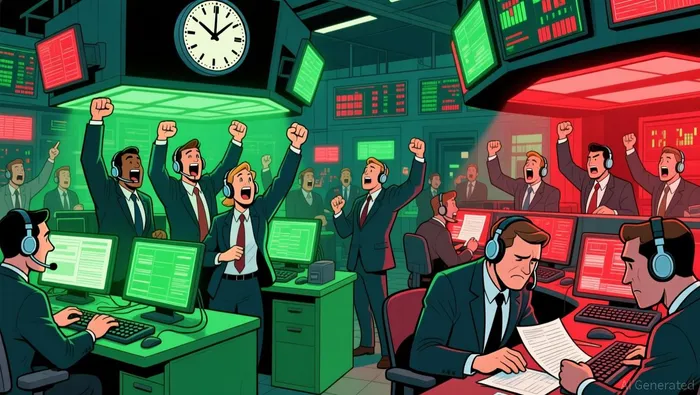
Risk Sentiment: VIX Volatility and Equity Risk Premiums
The VIX volatility index, a barometer of market fear, exhibited a dramatic swing during the shutdown. It spiked to 45.3 in April 2025 amid trade tensions according to a CBOE analysis, only to retreat to the low 16s post-resolution. This decline, however, did not align with historical norms-equity markets continued to rise despite elevated volatility, a phenomenon dubbed the "wall of worry" by analysts according to a EquityArmor outlook. The disconnect reflects a market environment where accommodative monetary policy and corporate earnings growth outweighed short-term political risks.
The Federal Reserve's rate-cutting cycle, initiated in September 2025, further shaped risk sentiment. By prioritizing employment stability over preemptive inflation control, the Fed channeled capital into risk assets, supporting equity valuations even as risk premiums widened according to the EquityArmor outlook. This dynamic suggests that investors are demanding higher returns for holding equities, a trend likely to persist as central banks navigate post-shutdown economic normalization.
Strategic Implications for Investors
The shutdown's resolution offers a case study in market resilience and adaptability. For investors, the key takeaway lies in balancing sector-specific opportunities with macroeconomic risks. Cyclical sectors like Industrials and Materials present compelling entry points, while defensive plays in utilities and healthcare remain critical for hedging against potential GDP softness according to the SSGA analysis. Meanwhile, the VIX's anomalous behavior underscores the need for volatility-aware strategies, such as tactical options positioning or diversified beta exposure.
In the long term, the bipartisan nature of the funding deal may bolster market confidence in governance stability, potentially reducing tail risks for global equities. However, unresolved issues like healthcare subsidy extensions could reignite volatility, necessitating a cautious approach to political risk management.
Source
[1] Reuters analysis
[2] Modern Diplomacy report
[3] Seeking Alpha report
[4] Coinfomania report
[9] EquityArmor outlook
[11] SSGA analysis
[14] Strait Times article
[17] CBOE analysis
[18] CryptoNews report






Comentarios
Aún no hay comentarios