
Assessing the Long-Term Risks of Government Shutdowns on the US Aviation Sector and Airline Stocks
Systemic Risks: Financial and Operational Fragility
Government shutdowns create a dual threat to the aviation sector: immediate operational chaos and long-term financial erosion. According to a Global Times report, the FAA's directive to cut flights has forced airlines to absorb millions in losses, with American, DeltaDAL--, and United canceling hundreds of flights to comply with safety protocols. The ripple effects extend beyond airlines, destabilizing tourism, cargo logistics, and business travel. For instance, cargo operations have shifted to ground transportation to mitigate delays, straining an already stretched supply chain, as Barchart noted.
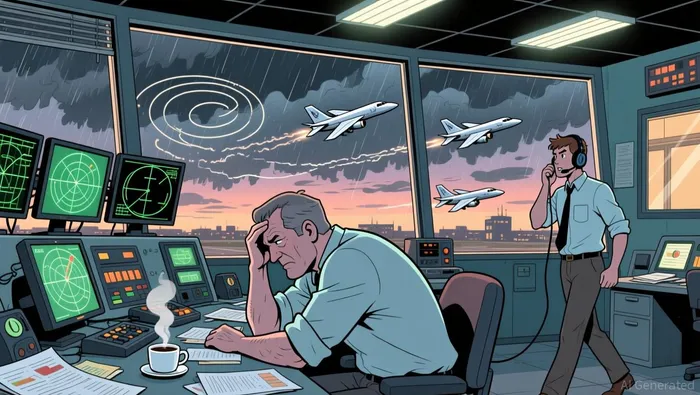
Investor confidence is further undermined by regulatory uncertainty. As Fox Business reported, prolonged shutdowns disrupt travel operations, directly impacting stock valuations and eroding market stability. The National Air Traffic Controllers Association has warned that daily resignations due to unpaid wages are eroding the sector's human capital, creating a feedback loop of declining service quality and rising operational costs.
Strategic Preparedness: Mitigating Systemic Disruptions
Airlines and regulatory bodies are adopting a mix of advocacy, operational adjustments, and financial hedging to navigate these challenges. The FAA's phased approach-starting with a 4% flight reduction and escalating to 10%-aims to balance safety with capacity constraints, according to a Yahoo Finance report. Meanwhile, airlines are optimizing routes and shifting cargo operations to ground transport to minimize revenue loss, as Barchart noted.
Policy advocacy has also intensified. The U.S. Travel Association, led by CEO Geoff Freeman, has lobbied lawmakers to end the shutdown, emphasizing its impact on recruitment and retention of air traffic controllers, as NPR reported. Similarly, airline trade groups have pushed for a continuing resolution to restore funding, with Delta and American AirlinesAAL-- leading calls for immediate action, as Politico reported. These efforts highlight the sector's recognition of political gridlock as a systemic risk requiring proactive engagement.
Implications for Investors: Navigating Volatility
For investors, the 2025 shutdown underscores the need to evaluate airline stocks through a lens of resilience and adaptability. While short-term volatility is inevitable, long-term risks hinge on how effectively airlines can hedge against future disruptions. Key metrics to monitor include:
1. Operational Flexibility: Airlines that rapidly adjust schedules and leverage alternative logistics (e.g., ground cargo) may outperform peers.
2. Regulatory Advocacy: Companies with strong lobbying ties to Congress could mitigate future shutdown impacts.
3. Financial Resilience: Airlines with robust cash reserves and low debt burdens are better positioned to weather prolonged disruptions, according to Fox Business.
However, systemic fragility remains a concern. As Politico noted, repeated shutdowns could erode public trust in air travel, leading to sustained demand declines. Investors must weigh these factors against broader economic trends, including inflation and fuel costs, which compound the sector's challenges.
Conclusion
The 2025 government shutdown has laid bare the aviation sector's vulnerability to political instability. While airlines and regulators are deploying strategic measures to mitigate immediate risks, the long-term outlook depends on structural reforms to prevent future shutdowns and enhance operational redundancies. For investors, the path forward requires a nuanced assessment of both sector-specific risks and macroeconomic dynamics. As the FAA and airlines navigate this crisis, the lessons learned will shape the resilience of the aviation industry for years to come.







Comentarios
Aún no hay comentarios