
Assessing the Impact of USDA Crop Forecasts on Global Grain Market Volatility
Surplus Supply Projections: A Double-Edged Sword for U.S. Producers
The USDA's November 2025 WASDE report forecasts U.S. corn production , , marking a record high despite a slight reduction from the September estimate. Soybean production is , . While these figures reflect robust domestic output, they also signal a growing surplus. , , driven by strong export performance. For soybeans, the surplus is tempered by global competition, according to the report.
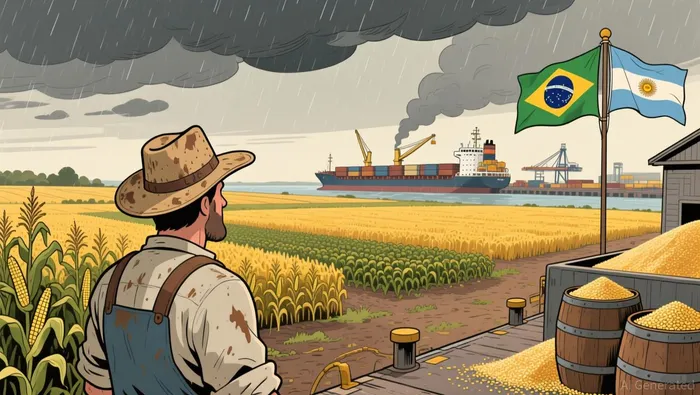
The surplus dynamic is further complicated by geopolitical factors. Argentina's temporary reduction in export taxes and the U.S. trade deal with China have altered export price spreads, creating uneven pressure on U.S. producers. These developments highlight a key challenge: even as U.S. output grows, global market share is increasingly contested, limiting the ability of higher production to translate into higher prices.
Global Competition and Price Volatility: A Historical Perspective
The current surplus environment echoes past market disruptions. During the 2018 U.S.-China trade war, retaliatory tariffs on U.S. soybeans and corn , compounded by reduced Chinese demand for livestock feed. Similarly, the 2023 global corn surplus-driven by record harvests in the U.S.-pushed inflation-adjusted prices to near two-decade lows. These historical precedents underscore a recurring pattern: surpluses, especially in a globally interconnected market, tend to erode prices rapidly.
Recent data reinforces this trend. Global soybean prices in the past quarter of 2025 , , 2025, . Corn prices, meanwhile, have been buoyed by strong and a Thai import deal, but these gains are fragile in the face of oversupply risks according to market analysis. Investors must weigh these short-term fluctuations against the long-term threat of surplus-driven deflation.
Strategic Implications for Investors
For investors, the key takeaway is clear: surplus supply projections signal continued downward pressure on grain prices. While short-term demand from China and emerging markets may provide temporary relief, the structural forces of global competition and record production will dominate. Hedging strategies, such as short-term futures contracts or diversification into protein alternatives, may offer protection. Additionally, monitoring trade policy shifts-such as Argentina's export tax adjustments-will be critical for navigating price volatility.
The USDA's November 2025 report serves as a stark reminder that in agriculture, abundance is a blessing and a curse. As global supply chains become increasingly resilient to U.S. dominance, the era of stable grain prices may be waning. Investors who recognize this reality early will be better positioned to capitalize on-or mitigate-its consequences.







Comentarios
Aún no hay comentarios