
Assessing the Impact of Corn Diseases on U.S. Agricultural Yields and Commodity Markets
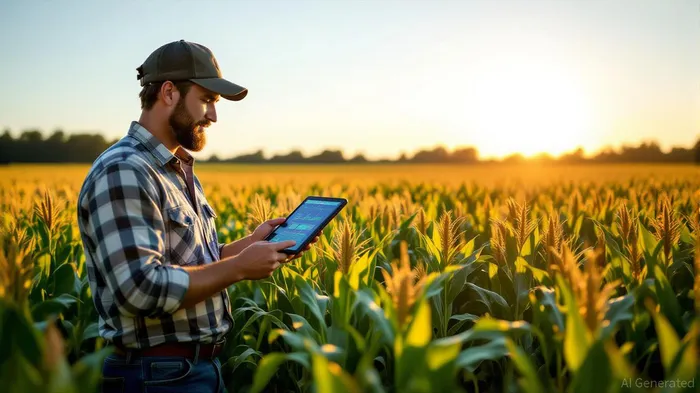
The U.S. corn industry is facing a perfect storm of biological and climatic threats, with diseases like Northern Corn Leaf Blight (NCLB) and Corn Smut wreaking havoc on yields and commodity prices. From 2023 to 2025, these pathogens—coupled with erratic weather patterns—have created a volatile landscape for farmers and investors alike. According to a report by the U.S. Department of Agriculture, only 68% of the 2025 corn crop was rated as good-to-excellent, the lowest since 2019[1]. This decline has directly contributed to a 7.9% drop in U.S. corn yield year-over-year, pushing Chicago corn futures to three-year highs[1].
The Disease Crisis: A Quantifiable Threat
Corn diseases have emerged as a critical driver of yield variability. In 2023, NCLB alone caused a 7.3 million bushel loss in the U.S., while Corn Smut reduced yields by 2.1 million bushels[2]. By 2024, the situation deteriorated further: NCLB accounted for a staggering 64.3 million bushel loss, and Corn Smut slashed yields by 1.724 million bushels[2]. Tar spot and southern rust also compounded the damage, underscoring the need for robust crop protection strategies. These losses are not isolated incidents but part of a broader trend tied to climate anomalies such as excessive rainfall, unseasonable cold, and persistent cloud cover[1].
The economic ripple effects are profound. With global demand for corn remaining resilient, tighter supply has amplified price volatility. For investors, this volatility represents both risk and opportunity. Farmers, meanwhile, face mounting pressure to adopt technologies that mitigate disease impacts while optimizing resource use.
AgTech: A Shield Against Biological and Climate Risks
The response to this crisis has been a surge in AgTechKROP-- adoption. Precision farming tools, including satellite-based crop monitoring and AI-powered advisory models, are now integral to managing disease outbreaks[1]. These technologies enable real-time tracking of crop health, soil moisture, and growth stages, allowing for targeted interventions that reduce chemical inputs by up to 40% compared to 2020 levels[2].
Biotechnology is another frontier. Gene-editing tools like CRISPR-Cas9 are being used to develop pest- and disease-resistant corn varieties, offering a sustainable alternative to chemical pesticides[2]. For instance, CRISPR-edited corn strains resistant to NCLB and Tar Spot have shown promising field results, potentially reducing yield losses by 30–50% in high-risk regions[2]. Such innovations not only stabilize yields but also align with global trends toward sustainable agriculture.
Investment Opportunities and Risk Mitigation
While the AgTech sector is still maturing, its potential is undeniable. The integration of precision agriculture and sensor technologies is projected to grow at a compound annual rate of 12–15% through 2030, driven by the need for climate resilience[3]. Investors should focus on companies specializing in AI-driven crop analytics, gene-editing platforms, and digital farming tools. Startups leveraging machine learning to predict disease outbreaks or optimize irrigation schedules are particularly attractive, given their direct alignment with current industry pain points.
However, risks remain. Regulatory hurdles for gene-edited crops, data privacy concerns in digital farming, and the high upfront costs of adopting precision tools could slow growth. Additionally, the effectiveness of these technologies in diverse climates and soil types requires further validation. Investors must also consider the geopolitical dynamics of commodity markets, where U.S. corn exports play a pivotal role in global food security[1].
Conclusion
The U.S. corn industry stands at a crossroads. While diseases and climate disruptions threaten short-term stability, they also catalyze demand for cutting-edge AgTech solutions. For investors, the key lies in balancing exposure to high-growth sectors like precision agriculture and biotechnology with a nuanced understanding of regulatory and operational risks. As the sector evolves, those who prioritize innovation and sustainability will be best positioned to navigate the challenges—and capitalize on the opportunities—of a rapidly changing agricultural landscape.







Comentarios
Aún no hay comentarios