
Assessing the Geopolitical and Commodity Market Impacts of the Israel-Qatar-Turmoil Amid Trump's Mediation Role
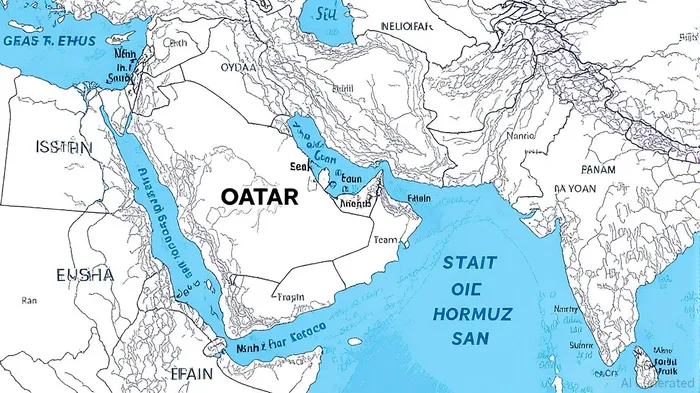
The Israel-Qatar conflict, mediated by U.S. President Donald Trump, has intensified regional volatility, reshaping investment dynamics in defense, energy, and regional stability-linked assets. This analysis examines how geopolitical tensions and Trump's diplomatic interventions are driving capital flows, reshaping market fundamentals, and creating both risks and opportunities for investors.
Defense Sector: A Surge in Military Contracts and ETF Performance
The escalation of hostilities between Israel and Qatar has catalyzed a surge in defense spending across the Middle East and the U.S. According to a report by Bloomberg, the U.S. Department of State confirmed Israel as the largest recipient of U.S. military assistance under the Foreign Military Financing program in 2025[5]. This has directly benefited defense contractors such as Boeing and Raytheon, which hold critical contracts for missile defense systems like the Arrow and Iron Dome[5].
The Israel-Iran war in June 2025 further underscored the strategic importance of advanced defense technologies. Raytheon's involvement in systems like David's Sling and Boeing's contributions to Israel's F-15 fleet and Arrow missile systems position these firms for sustained growth[5]. Defense ETFs, such as the iShares Global Aerospace & Defense ETF (A&D), have seen inflows as investors hedge against prolonged instability. A Fear Trade analysis by BlackRockBLK-- notes that defense-related assets have outperformed broader markets in Q3 2025, reflecting heightened risk premiums[2].
Energy Markets: Volatility, OPEC+ Dynamics, and Gulf Resilience
The Israeli airstrike on Hamas leadership in Doha in September 2025 triggered a 1% spike in oil prices, as investors feared disruptions to the Strait of Hormuz, through which 30% of global oil flows[3]. Saudi Arabia's preemptive increase in oil production and OPEC+'s decision to boost output by 137,000 barrels per day mitigated short-term volatility[2]. However, the Gulf's infrastructure has faced direct threats, with Qatar's Al Udeid air base attacked by Iran and Doha's airspace closures disrupting trade[6].
Trump's aggressive stance toward Iran—including demands for “unconditional surrender” and threats to support Israeli strikes on Iranian nuclear facilities—has further amplified market jitters[4]. Energy ETFs, such as the Energy Select Sector SPDR Fund (XLE), have mirrored this volatility, with the S&P 500 Energy sector rising 4.74% in Q2 2025 amid geopolitical tensions[3]. Gulf states are now prioritizing energy resilience, with Saudi Arabia and the UAE accelerating investments in the “Gulf Energy Shield” to protect critical infrastructure[1].
Regional Stability and Economic Diversification: A New Investment Paradigm
The Gulf Cooperation Council (GCC) has condemned Israel's strikes on Qatari soil, emphasizing the need to avoid entanglement in broader conflicts[3]. This has accelerated economic diversification efforts, with Gulf states redirecting capital toward non-oil sectors like logistics, renewables, and healthcare[6]. For instance, Qatar's infrastructure market is projected to grow to $41.3 billion by 2030, driven by LNG expansion and strategic transport projects[2].
However, foreign direct investment (FDI) has declined by 15-20% as global investors seek safer regions[6]. To counter this, Gulf states are exploring joint insurance funds to offset rising maritime insurance costs (up to 50%) and rerouting oil shipments to the Mediterranean[1]. These shifts present opportunities for investors in regional stability-linked assets, such as infrastructure bonds and sovereign wealth fund partnerships.
Strategic Investment Positioning
- Defense Sector: Overweight exposure to U.S. and Israeli defense contractors (e.g., BoeingBA--, Raytheon) and global aerospace ETFs.
- Energy Markets: Position in energy ETFs (e.g., XLE) and Gulf-focused infrastructure projects, while hedging against OPEC+ policy shifts.
- Regional Stability: Invest in Gulf economic diversification initiatives, including renewables and logistics, while monitoring FDI trends.
Conclusion
The Israel-Qatar turmoil, compounded by Trump's mediation efforts, has created a complex interplay of risks and opportunities. Investors must navigate heightened defense spending, energy market volatility, and Gulf economic recalibration. By strategically positioning in defense, energy, and regional stability-linked assets, capital can capitalize on the evolving geopolitical landscape while mitigating exposure to short-term shocks.





Comentarios
Aún no hay comentarios