
Assessing GEN Korean BBQ's Strategic Expansion into Retail: Opportunities and Challenges in a Dynamic Market
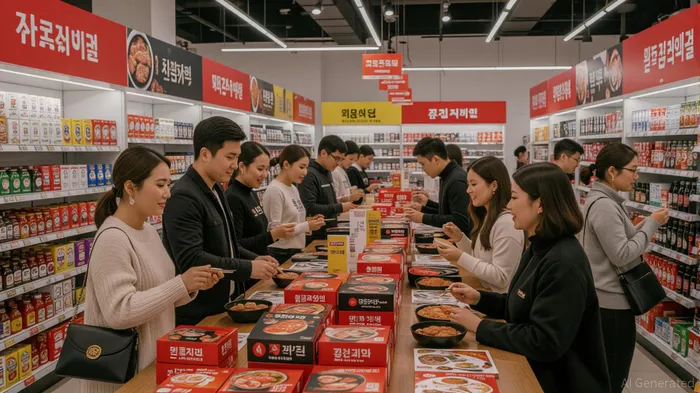
The restaurant industry's shift toward retail and consumer packaged goods (CPG) expansion has accelerated in recent years, driven by evolving consumer preferences, technological advancements, and the need for diversified revenue streams. While specific details about GEN Korean BBQ's retail strategy remain opaque, broader industry trends and case studies from peers like Chick-fil-A, Shake ShackSHAK--, and Bonchon offer a framework to evaluate the potential implications of such a move. This analysis explores the strategic logic, risks, and opportunities inherent in GEN Korean BBQ's hypothetical foray into retail, drawing on macroeconomic and sector-specific insights.
Industry Trends: A Catalyst for Diversification
The U.S. restaurant industry is projected to reach $1.5 trillion in sales by 2025, with a growing emphasis on creating immersive brand experiences[2]. Chains like ChipotleCMG-- and Jersey Mike's Subs have leveraged franchise growth and strategic acquisitions to solidify their market positions[2]. Meanwhile, brands such as Shake Shack and Delta Airlines have forged partnerships to extend their reach beyond traditional dining, reflecting a broader trend of cross-sector collaboration[1]. These developments underscore a critical insight: successful expansion into retail requires aligning with consumer demand for convenience, quality, and brand consistency.
For GEN Korean BBQ, entering the retail space could capitalize on the rising popularity of Korean cuisine, which has seen a surge in global appeal. Bonchon's aggressive expansion plans—targeting 500 U.S. locations and 1,000 globally within five years[2]—highlight the potential for Korean-inspired brands to scale through diversified formats. However, translating the in-store Korean BBQ experience into retail products demands careful consideration of product differentiation, supply chain logistics, and brand equity.
Strategic Implications: Lessons from Peers
Restaurant brands expanding into retail often prioritize three pillars: product innovation, distribution efficiency, and strategic partnerships. For example, Chick-fil-A's 2025–2028 expansion into Michigan[1] and Port of Subs' 500-location target[2] demonstrate the importance of localized market penetration. Similarly, Jersey Mike's Subs' 45% growth over three years[2] was bolstered by its acquisition by BlackstoneBX--, which provided capital and operational expertise to scale.
GEN Korean BBQ could adopt a hybrid approach, leveraging its core strengths in marinated meats and side dishes to develop ready-to-eat or ready-to-cook products. Distribution channels might include direct-to-consumer e-commerce, grocery store partnerships, and third-party delivery platforms. Strategic alliances with Korean food distributors or co-branding initiatives (e.g., collaborations with Korean grocery chains) could further enhance market penetration. However, the brand must navigate challenges such as perishable inventory management, regulatory compliance, and maintaining the authenticity that defines its in-store experience.
Risks and Considerations
While the retail expansion presents opportunities, it also introduces risks. The CPG sector is highly competitive, with established players like Korean food giants (e.g., Seoul Sausage, Gochujang brands) dominating shelf space. GEN Korean BBQ would need to differentiate itself through premium quality, storytelling, or unique product formulations. Additionally, supply chain disruptions—a persistent post-pandemic concern—could impact consistency and profitability.
Consumer behavior also plays a role. A 2024 survey by the National Restaurant Association found that 68% of consumers prioritize convenience[2], suggesting demand for Korean BBQ kits or pre-marinated meats. However, price sensitivity remains a barrier; retail products must balance premium positioning with affordability to avoid alienating price-conscious shoppers.
Conclusion: A Calculated Bet on Brand Resilience
GEN Korean BBQ's potential entry into retail reflects a broader industry shift toward omnichannel strategies. While the absence of concrete details about its product line or partnerships limits direct analysis, the success of peers like Bonchon and Shake Shack indicates that a well-executed retail strategy can drive growth. For investors, the key will be monitoring the brand's ability to innovate, scale efficiently, and maintain its cultural authenticity in a crowded market.





Comentarios
Aún no hay comentarios