
Assessing Food Safety Risks and Brand Resilience in the Wake of the McCain Foods Tater Tots Recall
The packaged food sector, long considered a bastion of stable consumer demand, faces mounting scrutiny as food safety incidents like the 2025 McCain Foods Tater Tots recall underscore vulnerabilities in supply chains and brand trust. This case study offers critical insights for investors evaluating long-term risks and opportunities in an industry grappling with contamination concerns, regulatory pressures, and evolving consumer expectations.
The Recall and Its Immediate Implications
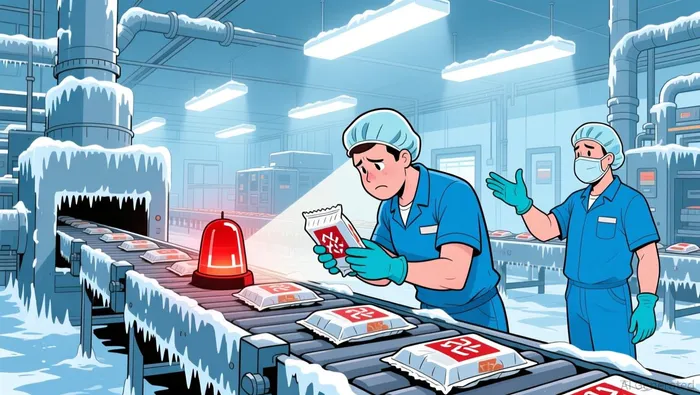
In late 2025, McCain Foods USA Inc. voluntarily recalled over 38,853 cases of frozen tater tot products due to potential contamination with "clear, hard plastic fragments". The affected products-Ore-Ida Tater Tots and SyscoSYY-- Imperial Potato Tater Barrels-were distributed across 26 states, including Michigan, California, and Florida. The U.S. Food and Drug Administration (FDA) classified the recall as Class II, indicating the risk was unlikely to cause serious health consequences. However, the incident highlights systemic challenges in detecting foreign materials during high-speed production processes, particularly in frozen food manufacturing.
Financial and Brand Impact: A Sector-Wide Concern
While specific financial data on McCain's stock performance post-recall remains undisclosed, broader industry trends reveal the reputational and economic stakes. A NielsenIQ survey found that 68% of consumers would abandon a brand after a food safety incident, a statistic that underscores the fragility of brand loyalty in the CPG sector. For McCain, the recall's focus on institutional and restaurant clients-rather than direct-to-consumer sales-may mitigate immediate revenue losses, but the long-term impact on supplier relationships and operational costs remains uncertain.
Investor sentiment in the sector has grown volatile. Companies like Post Holdings (NYSE:POST) and J&J Snack Foods (NASDAQ:JJSF) have shown mixed performances in recent quarters, reflecting divergent strategies in managing recall risks. Analysts emphasize that transparency and swift response are critical to minimizing brand damage, yet the absence of detailed recovery strategies from McCain raises questions about its preparedness for future crises.
Industry Trends: Rising Recalls and the Role of Technology
The 2025 recall aligns with a troubling trend: a 25% increase in total units recalled in early 2025, despite a decline in the number of recall events. Ready-to-eat foods and frozen products, with their complex processing steps and extended supply chains, have become particularly vulnerable to contamination risks such as Listeria and Salmonella. Labeling errors, including missing allergen information, further compound these challenges, as seen in recalls involving Frito-Lay and Nestlé.
Amid this backdrop, the sector is increasingly adopting advanced traceability systems to mitigate recall impacts. According to industry reports, companies leveraging GS1 Standards and blockchain-based solutions like Ecotrace have demonstrated faster identification and removal of affected products, preserving consumer trust and reducing financial exposure. Innovations such as FluiDect biosensors, which enable rapid contamination detection, are also gaining traction, aligning with the FDA's 2026 Digital Food Traceability Rule.
Mitigation Strategies for Companies and Investors
For companies, the path to resilience lies in proactive risk management. McCain's recall, though limited in scope, serves as a cautionary tale: even non-consumer channels are not immune to reputational fallout. Best practices include:
1. Enhanced Supply Chain Visibility: Investing in real-time tracking technologies to identify contamination sources swiftly.
2. Robust Quality Assurance: Implementing multi-layered inspection systems, including AI-driven anomaly detection, to prevent foreign material ingress.
3. Consumer Communication: Transparent post-recall messaging to rebuild trust, as emphasized by industry experts.
For investors, the key is to assess a company's commitment to these strategies. Firms that integrate traceability and rapid response capabilities into their operational DNA-such as those adopting Ecotrace or FluiDect-are better positioned to weather crises. Conversely, companies with fragmented supply chains or reactive recall protocols face heightened exposure to stock volatility and regulatory penalties.
Conclusion: Navigating a High-Stakes Landscape
The McCain Foods Tater Tots recall is a microcosm of the broader challenges facing the packaged food sector. While the incident itself may not have triggered immediate health risks, it underscores the sector's susceptibility to operational and reputational shocks. For investors, the lesson is clear: long-term success in this space requires a dual focus on financial metrics and a company's capacity to adapt to evolving food safety standards. As contamination risks persist and consumer expectations rise, the ability to innovate in traceability and transparency will separate resilient brands from those left behind.





Comentarios
Aún no hay comentarios