
ASML Sinks as China AI Startup Triggers Panic in Tech Stocks
Generado por agente de IAClyde Morgan
lunes, 27 de enero de 2025, 3:50 am ET2 min de lectura
ASML--

The semiconductor industry is abuzz with concern after a little-known Chinese AI lab, DeepSeek, released open-source large-language models that outperformed America's best, including Meta's Llama 3.1, OpenAI's GPT-4, and Anthropic's Claude Sonnet 3.5. The news has raised alarms about whether America's global lead in artificial intelligence is shrinking and called into question big tech's massive spend on building AI models and data centers.
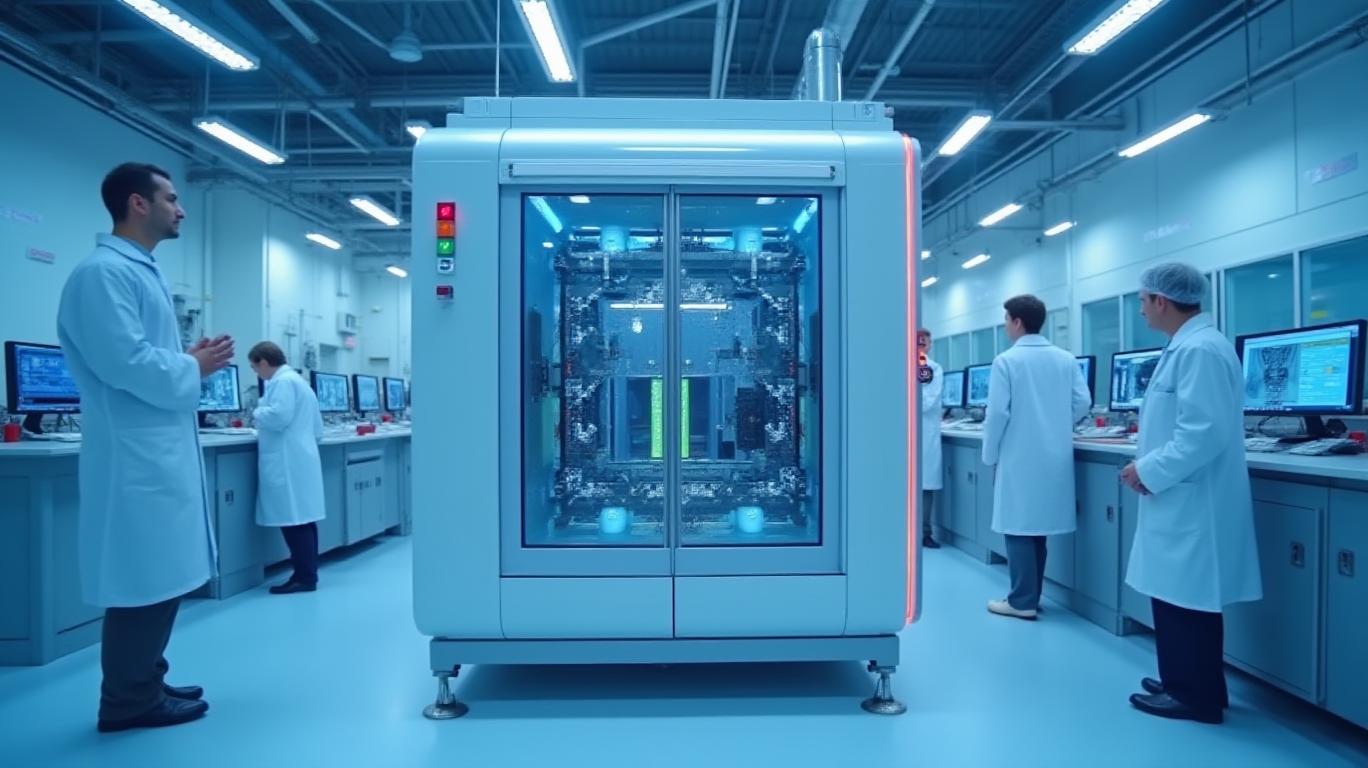
ASML Holding NV, the Dutch company that makes the chip-making machines used by the major players in the semiconductor industry, has seen its stock price tumble in response to the developments. Shares in Europe's most valuable technology company have fallen about 20% since a July high, hurt by the prospect of more severe US restrictions on its business in China and a broader rotation out of the sector this summer. Those factors overshadowed estimate-beating orders for ASML's machines and ended an AI-fueled rally that had seen the shares almost double in value since the start of 2023.
ASML's third-quarter results, due out on Wednesday, could help reassure investors who have become increasingly worried about the risks posed by a slump in the global semiconductor industry and mounting tensions between China and the US. The company is expected to report a 7% increase in sales year-over-year to €7.15 billion for the third quarter of 2024, according to 24 analysts polled by FactSet. Earnings per share are seen rising to €4.86 from €4.81.
However, investors will be closely watching ASML's bookings for its most advanced EUV systems, which are crucial for producing the most advanced chips. In the third quarter of last year, ASML previously achieved just €2.6 billion worth of net bookings, versus the €5.6 billion expected for the third quarter of 2024. If ASML's bookings for its EUV systems come in below expectations, it could be a sign that the AI boom is slowing down, or that customers are becoming more cautious about their spending.
The emergence of DeepSeek and other Chinese AI startups, such as 01.ai and ByteDance, has raised concerns about the global lead in artificial intelligence shifting from the West to the East. For ASML, this shift has several implications, including increased competition in the AI chip market, potential changes in the customer base, geopolitical tensions, and accelerated technological advancements.
Increased competition in the AI chip market could benefit ASML as the sole supplier of EUV machines, but it could also lead to a shift in market dynamics if companies decide to build their own AI models using less-advanced chips. Potential changes in the customer base could reduce ASML's reliance on Western tech giants like Intel, Samsung, and TSMC, but it could also lead to increased scrutiny and potential export restrictions if ASML's sales to China grow significantly.
Geopolitical tensions between the US and China could exacerbate the challenges faced by ASML, particularly in relation to export controls and market access. The company may face increased scrutiny and potential export restrictions if it continues to sell its most advanced machines to China, despite the US government's efforts to limit access to such technology.
Accelerated technological advancements in the AI sector could drive demand for more advanced and efficient chip manufacturing equipment, benefiting ASML as the leading provider of such equipment. However, the emergence of open-source AI models and the increased competition in the AI market could potentially impact ASML's pricing power in the long run.
In conclusion, the emergence of DeepSeek and other Chinese AI startups has raised concerns about the global lead in artificial intelligence shifting from the West to the East, with potential implications for ASML's market position, including increased competition, potential changes in the customer base, geopolitical tensions, and accelerated technological advancements. ASML's third-quarter results could provide some insight into the health of the AI sector and the impact of the geopolitical tensions on the company's business. Investors will be closely watching the company's bookings for its most advanced EUV systems and the potential implications for the AI chip market and ASML's long-term prospects.
META--
SONN--
The semiconductor industry is abuzz with concern after a little-known Chinese AI lab, DeepSeek, released open-source large-language models that outperformed America's best, including Meta's Llama 3.1, OpenAI's GPT-4, and Anthropic's Claude Sonnet 3.5. The news has raised alarms about whether America's global lead in artificial intelligence is shrinking and called into question big tech's massive spend on building AI models and data centers.
ASML Holding NV, the Dutch company that makes the chip-making machines used by the major players in the semiconductor industry, has seen its stock price tumble in response to the developments. Shares in Europe's most valuable technology company have fallen about 20% since a July high, hurt by the prospect of more severe US restrictions on its business in China and a broader rotation out of the sector this summer. Those factors overshadowed estimate-beating orders for ASML's machines and ended an AI-fueled rally that had seen the shares almost double in value since the start of 2023.
ASML's third-quarter results, due out on Wednesday, could help reassure investors who have become increasingly worried about the risks posed by a slump in the global semiconductor industry and mounting tensions between China and the US. The company is expected to report a 7% increase in sales year-over-year to €7.15 billion for the third quarter of 2024, according to 24 analysts polled by FactSet. Earnings per share are seen rising to €4.86 from €4.81.
However, investors will be closely watching ASML's bookings for its most advanced EUV systems, which are crucial for producing the most advanced chips. In the third quarter of last year, ASML previously achieved just €2.6 billion worth of net bookings, versus the €5.6 billion expected for the third quarter of 2024. If ASML's bookings for its EUV systems come in below expectations, it could be a sign that the AI boom is slowing down, or that customers are becoming more cautious about their spending.
The emergence of DeepSeek and other Chinese AI startups, such as 01.ai and ByteDance, has raised concerns about the global lead in artificial intelligence shifting from the West to the East. For ASML, this shift has several implications, including increased competition in the AI chip market, potential changes in the customer base, geopolitical tensions, and accelerated technological advancements.
Increased competition in the AI chip market could benefit ASML as the sole supplier of EUV machines, but it could also lead to a shift in market dynamics if companies decide to build their own AI models using less-advanced chips. Potential changes in the customer base could reduce ASML's reliance on Western tech giants like Intel, Samsung, and TSMC, but it could also lead to increased scrutiny and potential export restrictions if ASML's sales to China grow significantly.
Geopolitical tensions between the US and China could exacerbate the challenges faced by ASML, particularly in relation to export controls and market access. The company may face increased scrutiny and potential export restrictions if it continues to sell its most advanced machines to China, despite the US government's efforts to limit access to such technology.
Accelerated technological advancements in the AI sector could drive demand for more advanced and efficient chip manufacturing equipment, benefiting ASML as the leading provider of such equipment. However, the emergence of open-source AI models and the increased competition in the AI market could potentially impact ASML's pricing power in the long run.
In conclusion, the emergence of DeepSeek and other Chinese AI startups has raised concerns about the global lead in artificial intelligence shifting from the West to the East, with potential implications for ASML's market position, including increased competition, potential changes in the customer base, geopolitical tensions, and accelerated technological advancements. ASML's third-quarter results could provide some insight into the health of the AI sector and the impact of the geopolitical tensions on the company's business. Investors will be closely watching the company's bookings for its most advanced EUV systems and the potential implications for the AI chip market and ASML's long-term prospects.

Divulgación editorial y transparencia de la IA: Ainvest News utiliza tecnología avanzada de Modelos de Lenguaje Largo (LLM) para sintetizar y analizar datos de mercado en tiempo real. Para garantizar los más altos estándares de integridad, cada artículo se somete a un riguroso proceso de verificación con participación humana.
Mientras la IA asiste en el procesamiento de datos y la redacción inicial, un miembro editorial profesional de Ainvest revisa, verifica y aprueba de forma independiente todo el contenido para garantizar su precisión y cumplimiento con los estándares editoriales de Ainvest Fintech Inc. Esta supervisión humana está diseñada para mitigar las alucinaciones de la IA y garantizar el contexto financiero.
Advertencia sobre inversiones: Este contenido se proporciona únicamente con fines informativos y no constituye asesoramiento profesional de inversión, legal o financiero. Los mercados conllevan riesgos inherentes. Se recomienda a los usuarios que realicen una investigación independiente o consulten a un asesor financiero certificado antes de tomar cualquier decisión. Ainvest Fintech Inc. se exime de toda responsabilidad por las acciones tomadas con base en esta información. ¿Encontró un error? Reportar un problema




Comentarios
Aún no hay comentarios