
Asian Stocks Gain After Wall Street's Modest Losses Kick Off 2025
Generado por agente de IATheodore Quinn
jueves, 2 de enero de 2025, 11:19 pm ET2 min de lectura
GD--
Asian markets opened the new year on a positive note, with stocks rallying after a modest decline on Wall Street to close out 2024. The Hang Seng Index in Hong Kong added 1% to 19,814.78, while the Shanghai Composite index dropped 0.4% to 3,249.04. The Kospi in South Korea surged nearly 2% higher, with tech giants like SK Hynix and Samsung Electronics posting gains. This rebound in Asian markets comes despite ongoing political uncertainty in South Korea, where investigators attempted to arrest impeached President Yoon Suk Yeol over his failed martial law bid.
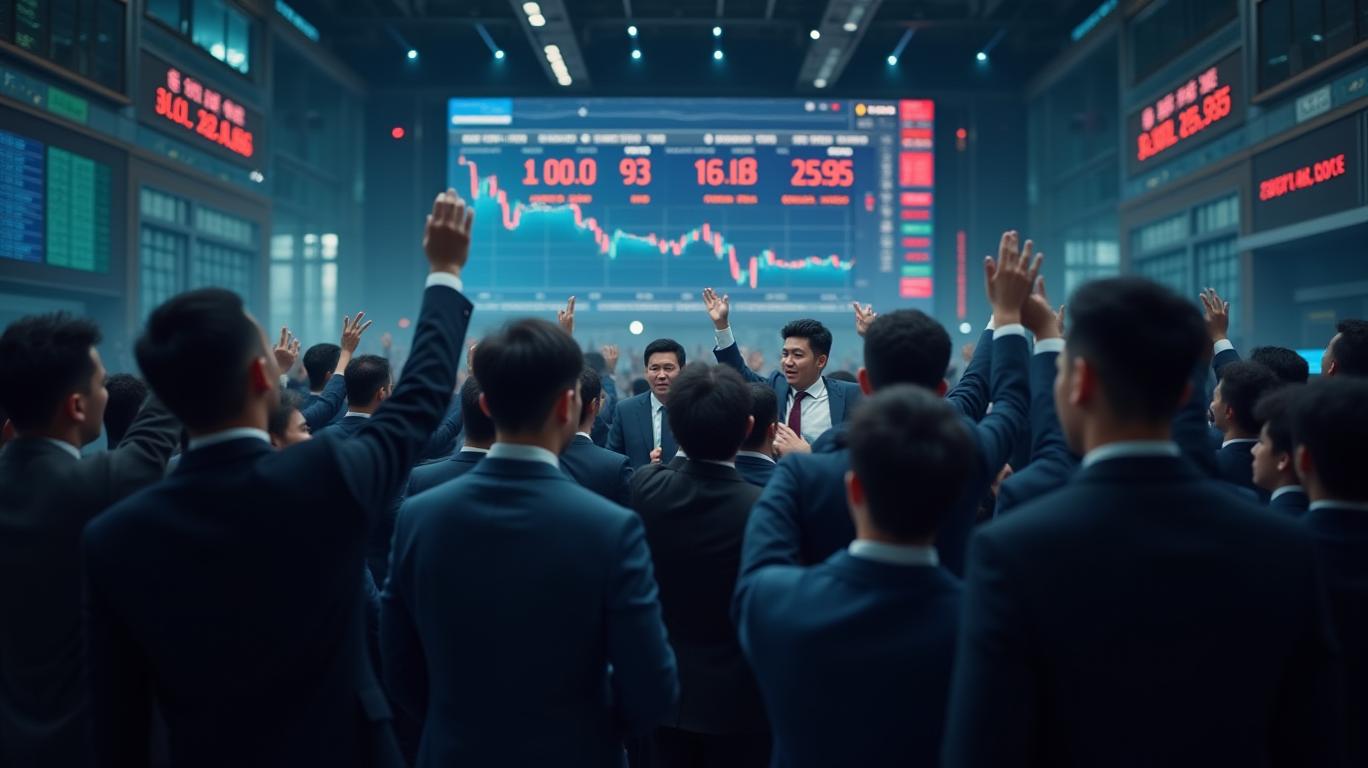
The U.S. stock market's weak end to 2024 carried over into the first trading day of 2025, with the S&P 500 falling 0.2% to 5,868.55. The Dow Jones Industrial Average fell 0.4% to 43,392.27, and the Nasdaq composite lost 0.2% to 19,280.79. Tesla helped drag the market lower after disclosing it delivered fewer vehicles in the last three months of 2024 than analysts expected, with its stock slumping 6.1%. However, some Big Tech stocks, such as Nvidia, helped limit the market's losses, with the chipmaker rising 3% after following up its nearly 240% surge in 2023 with a better than 170% jump last year.
Investors are gearing up for big changes in the coming weeks, especially with the January 20 inauguration of Donald Trump, who has threatened deep tariffs, especially on China, that could rattle international trade. Trump's policies, especially on tariffs, are inflationary in their nature, which could lead to a prolonged period of mid-level interest rates. U.S. jobless claims released on Thursday fell more than expected, highlighting a robust labor market and leaving the Federal Reserve with less reason to support fresh rate cuts. Other significant economic releases ahead include data on inflation and retail sales during the holiday shopping season.
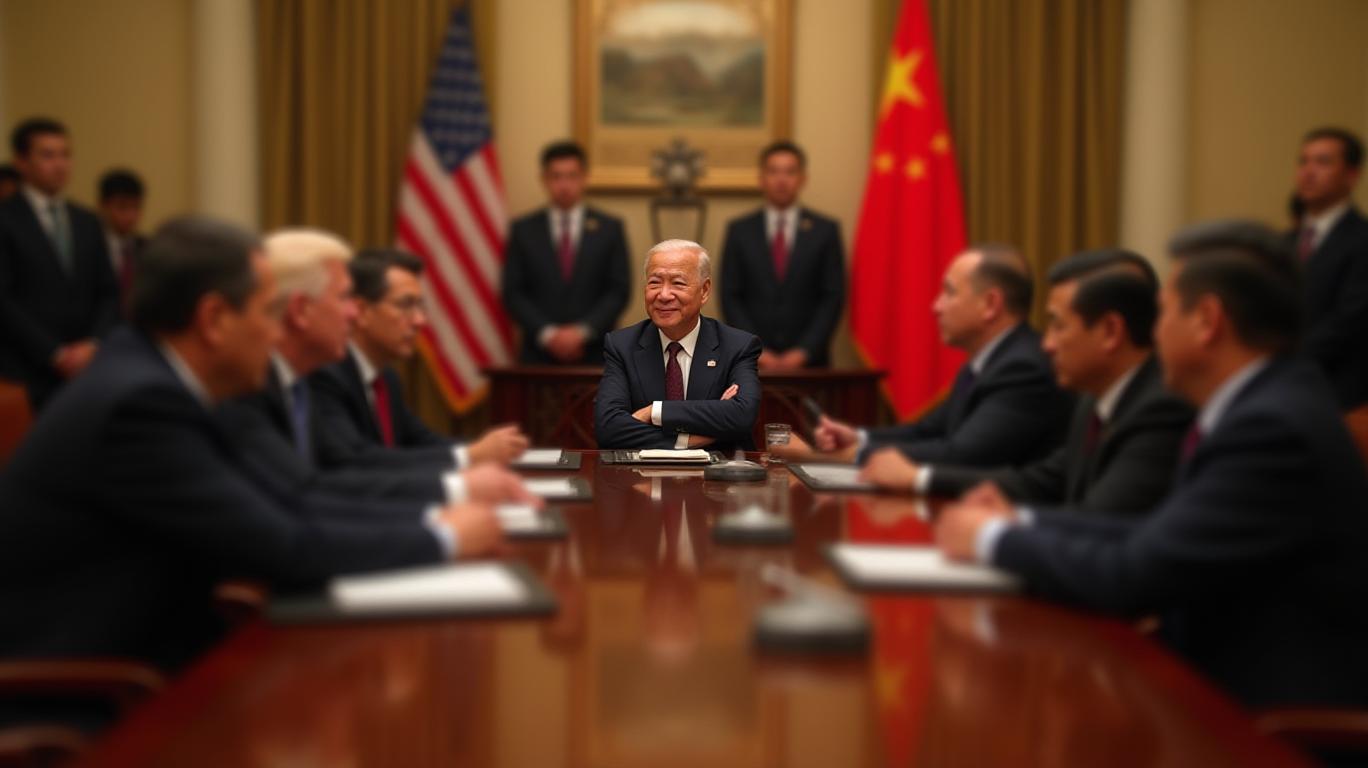
Asian markets have reacted to these potential changes in U.S. trade policies, with Hong Kong stocks rallying from Thursday's slump amid worries that U.S. President-elect Donald Trump might raise tariffs on China and other Asian countries once he takes office this month. The Hang Seng added 1% to 19,814.78, while the Shanghai Composite index dropped 0.4% to 3,249.04. China has placed 28 U.S. entities, including General Dynamics, on its export control list to "safeguard national security and interests," according to a statement from the Commerce Ministry on Thursday. The ministry also announced it was adding export restrictions on specific technologies used in manufacturing battery components and processing critical minerals such as lithium and gallium.
In conclusion, Asian markets gained on Friday, January 3, 2025, bucking retreats on Wall Street as the dollar advanced and markets reopened following the New Year's holiday. Hong Kong, Sydney, and Taipei stocks climbed, while South Korea's Kospi Index surged nearly 2% higher despite the ongoing political uncertainty in Asia's fourth-largest economy. Investors are closely monitoring inflation, Federal Reserve policies, and the impact of President-elect Donald Trump's pro-growth agenda on consumer prices and federal spending. As the calendar flips to a new year, investors should remain vigilant and adapt their portfolios to the evolving geopolitical landscape and economic indicators.
JOBY--
NVDA--
TSLA--
Asian markets opened the new year on a positive note, with stocks rallying after a modest decline on Wall Street to close out 2024. The Hang Seng Index in Hong Kong added 1% to 19,814.78, while the Shanghai Composite index dropped 0.4% to 3,249.04. The Kospi in South Korea surged nearly 2% higher, with tech giants like SK Hynix and Samsung Electronics posting gains. This rebound in Asian markets comes despite ongoing political uncertainty in South Korea, where investigators attempted to arrest impeached President Yoon Suk Yeol over his failed martial law bid.
The U.S. stock market's weak end to 2024 carried over into the first trading day of 2025, with the S&P 500 falling 0.2% to 5,868.55. The Dow Jones Industrial Average fell 0.4% to 43,392.27, and the Nasdaq composite lost 0.2% to 19,280.79. Tesla helped drag the market lower after disclosing it delivered fewer vehicles in the last three months of 2024 than analysts expected, with its stock slumping 6.1%. However, some Big Tech stocks, such as Nvidia, helped limit the market's losses, with the chipmaker rising 3% after following up its nearly 240% surge in 2023 with a better than 170% jump last year.
Investors are gearing up for big changes in the coming weeks, especially with the January 20 inauguration of Donald Trump, who has threatened deep tariffs, especially on China, that could rattle international trade. Trump's policies, especially on tariffs, are inflationary in their nature, which could lead to a prolonged period of mid-level interest rates. U.S. jobless claims released on Thursday fell more than expected, highlighting a robust labor market and leaving the Federal Reserve with less reason to support fresh rate cuts. Other significant economic releases ahead include data on inflation and retail sales during the holiday shopping season.
Asian markets have reacted to these potential changes in U.S. trade policies, with Hong Kong stocks rallying from Thursday's slump amid worries that U.S. President-elect Donald Trump might raise tariffs on China and other Asian countries once he takes office this month. The Hang Seng added 1% to 19,814.78, while the Shanghai Composite index dropped 0.4% to 3,249.04. China has placed 28 U.S. entities, including General Dynamics, on its export control list to "safeguard national security and interests," according to a statement from the Commerce Ministry on Thursday. The ministry also announced it was adding export restrictions on specific technologies used in manufacturing battery components and processing critical minerals such as lithium and gallium.
In conclusion, Asian markets gained on Friday, January 3, 2025, bucking retreats on Wall Street as the dollar advanced and markets reopened following the New Year's holiday. Hong Kong, Sydney, and Taipei stocks climbed, while South Korea's Kospi Index surged nearly 2% higher despite the ongoing political uncertainty in Asia's fourth-largest economy. Investors are closely monitoring inflation, Federal Reserve policies, and the impact of President-elect Donald Trump's pro-growth agenda on consumer prices and federal spending. As the calendar flips to a new year, investors should remain vigilant and adapt their portfolios to the evolving geopolitical landscape and economic indicators.

Divulgación editorial y transparencia de la IA: Ainvest News utiliza tecnología avanzada de Modelos de Lenguaje Largo (LLM) para sintetizar y analizar datos de mercado en tiempo real. Para garantizar los más altos estándares de integridad, cada artículo se somete a un riguroso proceso de verificación con participación humana.
Mientras la IA asiste en el procesamiento de datos y la redacción inicial, un miembro editorial profesional de Ainvest revisa, verifica y aprueba de forma independiente todo el contenido para garantizar su precisión y cumplimiento con los estándares editoriales de Ainvest Fintech Inc. Esta supervisión humana está diseñada para mitigar las alucinaciones de la IA y garantizar el contexto financiero.
Advertencia sobre inversiones: Este contenido se proporciona únicamente con fines informativos y no constituye asesoramiento profesional de inversión, legal o financiero. Los mercados conllevan riesgos inherentes. Se recomienda a los usuarios que realicen una investigación independiente o consulten a un asesor financiero certificado antes de tomar cualquier decisión. Ainvest Fintech Inc. se exime de toda responsabilidad por las acciones tomadas con base en esta información. ¿Encontró un error? Reportar un problema


SOBRE NOSOTROS
Nuestra historiaAutores de noticiasBase de conocimientosPolítica de privacidadTérmino de usoDescargo de responsabilidad de corretaje de tercerosTérminos de uso de AIMEDivulgaciones de riesgos de AInvest AICarrerasCONTÁCTENOS
Email: support@ainvest.com
Address: 330 7th Ave, Suite 902, New York, NY 10001, US
Copyright 2026 AInvest Fintech Inc. All rights reserved.


Comentarios
Aún no hay comentarios