
Asian Shares Retreat: Tracking Wall Street's Decline Amid Disappointing Price Data
Generado por agente de IAEli Grant
jueves, 12 de diciembre de 2024, 11:57 pm ET1 min de lectura
Asian shares retreated on Friday, tracking Wall Street's decline, as disappointing price data dampened investor sentiment. The Hang Seng in Hong Kong dipped 1.7% to 20,057.69, and the Hang Seng Properties index lost 3%. The Shanghai Composite index fell 1.5% to 3,410.99. Japan's benchmark Nikkei 225 slipped 1.2% in morning trading to 39,360.43. This decline was in line with recent market fluctuations, with the Hang Seng and Shanghai Composite experiencing similar drops in late November 2024 (1.8% and 1.6% respectively). However, the Nikkei's decline was more pronounced than its 0.4% drop in early May 2024. The duration of these declines varied, with the November 2024 drops lasting several days, while the May 2024 decline was more short-lived.
The retreat of Asian shares on Friday was largely influenced by disappointing U.S. inflation data, which showed a higher-than-expected increase in consumer prices. This data suggests that the Federal Reserve may maintain higher interest rates for longer, impacting global markets. Additionally, geopolitical tensions, such as the U.S.-China trade dispute and Brexit negotiations, continue to influence Asian markets.
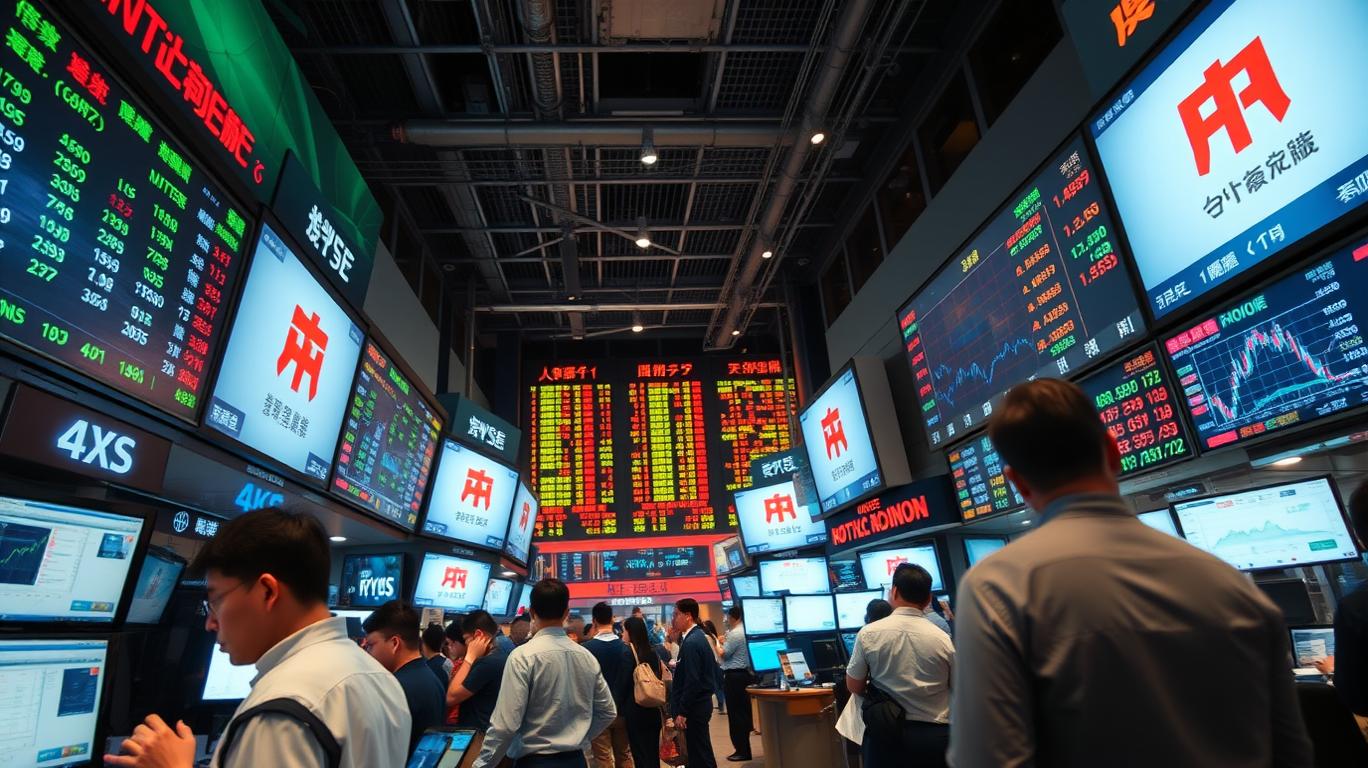
In the U.S., inflation ticked up to 2.7% in November from a year earlier, fueled by pricier used cars, hotel rooms, and groceries. While this shows some price pressures remain elevated, it was not enough to prevent the Fed from cutting interest rates at its meeting next week. However, the slight increase in inflation may have dampened expectations for a more aggressive rate cut, contributing to the market decline. In China, officials reported persisting weakness in the economy, especially in the real estate industry, which may have also weighed on investor sentiment. The government announced plans to revive the sector later Friday, but the news did not seem to offset the negative impact of the inflation data.
The performance of specific sectors also played a role in the market's downturn. The technology sector, which had been a significant driver of market growth, experienced a pullback, with the Hang Seng Tech Index falling 2.5%. This was likely due to concerns about the sector's valuation and the potential impact of regulatory pressures on tech giants. Meanwhile, energy stocks also declined, with the Hang Seng Energy Index dropping 1.8%, as oil prices slipped following a report showing a larger-than-expected increase in U.S. crude inventories.
In conclusion, the retreat of Asian shares on Friday was largely influenced by disappointing price data and the subsequent decline in U.S. stocks. The performance of specific sectors, such as technology and energy, also played a role in the market's downturn. Geopolitical tensions and economic indicators continue to shape the Asian markets' reaction to global events. Investors should remain vigilant and adapt their strategies accordingly to capitalize on emerging opportunities and mitigate risks.



Divulgación editorial y transparencia de la IA: Ainvest News utiliza tecnología avanzada de Modelos de Lenguaje Largo (LLM) para sintetizar y analizar datos de mercado en tiempo real. Para garantizar los más altos estándares de integridad, cada artículo se somete a un riguroso proceso de verificación con participación humana.
Mientras la IA asiste en el procesamiento de datos y la redacción inicial, un miembro editorial profesional de Ainvest revisa, verifica y aprueba de forma independiente todo el contenido para garantizar su precisión y cumplimiento con los estándares editoriales de Ainvest Fintech Inc. Esta supervisión humana está diseñada para mitigar las alucinaciones de la IA y garantizar el contexto financiero.
Advertencia sobre inversiones: Este contenido se proporciona únicamente con fines informativos y no constituye asesoramiento profesional de inversión, legal o financiero. Los mercados conllevan riesgos inherentes. Se recomienda a los usuarios que realicen una investigación independiente o consulten a un asesor financiero certificado antes de tomar cualquier decisión. Ainvest Fintech Inc. se exime de toda responsabilidad por las acciones tomadas con base en esta información. ¿Encontró un error? Reportar un problema


SOBRE NOSOTROS
Nuestra historiaAutores de noticiasBase de conocimientosPolítica de privacidadTérmino de usoDescargo de responsabilidad de corretaje de tercerosTérminos de uso de AIMEDivulgaciones de riesgos de AInvest AICarrerasCONTÁCTENOS
Email: support@ainvest.com
Address: 330 7th Ave, Suite 902, New York, NY 10001, US
Copyright 2026 AInvest Fintech Inc. All rights reserved.


Comentarios
Aún no hay comentarios