
Asian Markets Reel as Trump's Auto Tariffs Spark Global Trade War
Generado por agente de IATheodore Quinn
jueves, 27 de marzo de 2025, 12:09 am ET2 min de lectura
GM--
Asian markets took a hit today as President Trump's announcement of 25% tariffs on auto imports sent shockwaves through global trade. The move, aimed at boosting domestic manufacturing, has sparked fears of a full-blown trade war, with potential ripple effects on supply chains and consumer prices.
The tariffs, set to take effect on April 3, will apply to all cars and light trucks imported into the U.S., with exemptions for parts from Canada and Mexico that comply with the USMCA. The move is expected to raise the cost of imported cars by thousands of dollars, hitting new vehicle sales and potentially leading to job losses in the auto industry.
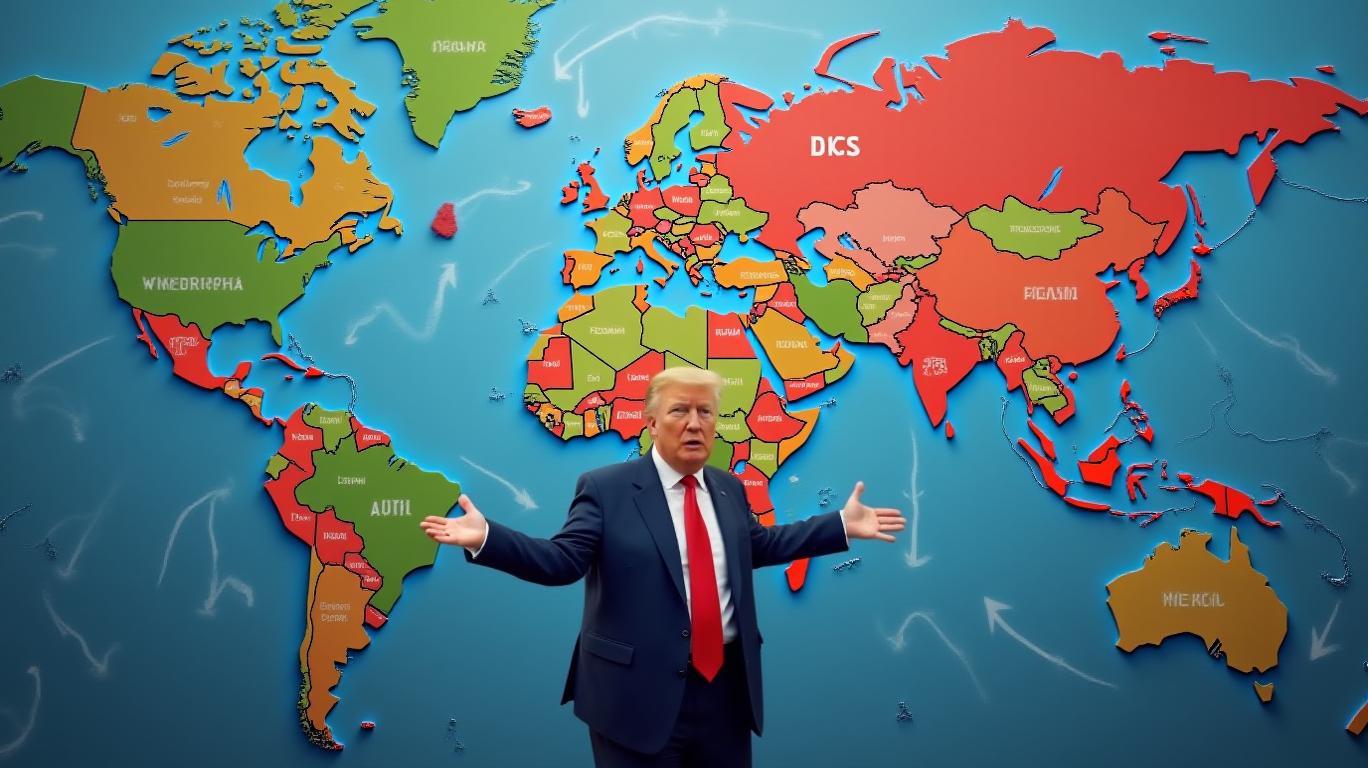
The immediate impact on Asian markets was significant. Japan's Nikkei 225 index fell by 0.37%, while South Korea's KOSPI index dropped by 0.20%. Hong Kong's Hang Seng Index also saw a decline of 0.99%. The sell-off was driven by concerns over the potential disruption to supply chains and the impact on major exporters like ToyotaTM--, Hyundai, and BMW.
The tariffs are expected to have a significant impact on the profitability and stock performance of major U.S. automakers like FordFORD--, General MotorsGM--, and StellantisSTLA--. In the short term, the increased cost of imported parts and finished vehicles could lead to higher prices for consumers, potentially reducing demand for new vehicles. However, in the long term, the tariffs could encourage automakers to increase domestic production, potentially leading to higher profits for those that can efficiently shift production to the U.S.
The tariffs could also have significant ripple effects on the global supply chain, particularly for countries like Japan, South Korea, and Germany, which are major suppliers of auto parts and finished vehicles to the U.S. The increased cost of imported cars and parts could lead to price increases for consumers, straining budgets and potentially leading to a decrease in car sales. Supply chain disruptions could also affect the ability of automakers to meet demand, further impacting sales and profitability.
In addition, the tariffs could strain ties with key U.S. trading partners, potentially leading to retaliatory measures. Countries like Japan and South Korea, which have trade agreements with the U.S. and charge no tariffs on U.S. cars, could face tensions due to the new tariffs. This could further disrupt the global supply chain and lead to increased costs for both U.S. and foreign automakers.
The tariffs could also have a negative impact on the U.S. economy. According to the Center for Automotive Research, tariffs could drive up the cost of a car by thousands of dollars, hitting new vehicle sales and resulting in job losses. This could lead to a decrease in consumer spending and a slowdown in economic growth.
In the long run, the tariffs could lead to a shift in the global auto industry, with automakers potentially relocating production to the U.S. to avoid the tariffs. However, this would come with hefty costs and could take years to implement. In the meantime, the tariffs could lead to a decrease in foreign investment in the U.S. and a loss of jobs in the auto industry.
In summary, President Trump's 25% tariffs on auto imports are likely to have significant impacts on the global supply chain, the profitability and stock performance of major U.S. automakers, and the U.S. economy as a whole. While the long-term effects of the tariffs remain uncertain, the short-term impacts are likely to be negative, with increased costs and potential disruptions to supply chains leading to lower profitability and stock performance for automakers.
STLA--
TM--
Asian markets took a hit today as President Trump's announcement of 25% tariffs on auto imports sent shockwaves through global trade. The move, aimed at boosting domestic manufacturing, has sparked fears of a full-blown trade war, with potential ripple effects on supply chains and consumer prices.
The tariffs, set to take effect on April 3, will apply to all cars and light trucks imported into the U.S., with exemptions for parts from Canada and Mexico that comply with the USMCA. The move is expected to raise the cost of imported cars by thousands of dollars, hitting new vehicle sales and potentially leading to job losses in the auto industry.
The immediate impact on Asian markets was significant. Japan's Nikkei 225 index fell by 0.37%, while South Korea's KOSPI index dropped by 0.20%. Hong Kong's Hang Seng Index also saw a decline of 0.99%. The sell-off was driven by concerns over the potential disruption to supply chains and the impact on major exporters like ToyotaTM--, Hyundai, and BMW.
The tariffs are expected to have a significant impact on the profitability and stock performance of major U.S. automakers like FordFORD--, General MotorsGM--, and StellantisSTLA--. In the short term, the increased cost of imported parts and finished vehicles could lead to higher prices for consumers, potentially reducing demand for new vehicles. However, in the long term, the tariffs could encourage automakers to increase domestic production, potentially leading to higher profits for those that can efficiently shift production to the U.S.
The tariffs could also have significant ripple effects on the global supply chain, particularly for countries like Japan, South Korea, and Germany, which are major suppliers of auto parts and finished vehicles to the U.S. The increased cost of imported cars and parts could lead to price increases for consumers, straining budgets and potentially leading to a decrease in car sales. Supply chain disruptions could also affect the ability of automakers to meet demand, further impacting sales and profitability.
In addition, the tariffs could strain ties with key U.S. trading partners, potentially leading to retaliatory measures. Countries like Japan and South Korea, which have trade agreements with the U.S. and charge no tariffs on U.S. cars, could face tensions due to the new tariffs. This could further disrupt the global supply chain and lead to increased costs for both U.S. and foreign automakers.
The tariffs could also have a negative impact on the U.S. economy. According to the Center for Automotive Research, tariffs could drive up the cost of a car by thousands of dollars, hitting new vehicle sales and resulting in job losses. This could lead to a decrease in consumer spending and a slowdown in economic growth.
In the long run, the tariffs could lead to a shift in the global auto industry, with automakers potentially relocating production to the U.S. to avoid the tariffs. However, this would come with hefty costs and could take years to implement. In the meantime, the tariffs could lead to a decrease in foreign investment in the U.S. and a loss of jobs in the auto industry.
In summary, President Trump's 25% tariffs on auto imports are likely to have significant impacts on the global supply chain, the profitability and stock performance of major U.S. automakers, and the U.S. economy as a whole. While the long-term effects of the tariffs remain uncertain, the short-term impacts are likely to be negative, with increased costs and potential disruptions to supply chains leading to lower profitability and stock performance for automakers.

Divulgación editorial y transparencia de la IA: Ainvest News utiliza tecnología avanzada de Modelos de Lenguaje Largo (LLM) para sintetizar y analizar datos de mercado en tiempo real. Para garantizar los más altos estándares de integridad, cada artículo se somete a un riguroso proceso de verificación con participación humana.
Mientras la IA asiste en el procesamiento de datos y la redacción inicial, un miembro editorial profesional de Ainvest revisa, verifica y aprueba de forma independiente todo el contenido para garantizar su precisión y cumplimiento con los estándares editoriales de Ainvest Fintech Inc. Esta supervisión humana está diseñada para mitigar las alucinaciones de la IA y garantizar el contexto financiero.
Advertencia sobre inversiones: Este contenido se proporciona únicamente con fines informativos y no constituye asesoramiento profesional de inversión, legal o financiero. Los mercados conllevan riesgos inherentes. Se recomienda a los usuarios que realicen una investigación independiente o consulten a un asesor financiero certificado antes de tomar cualquier decisión. Ainvest Fintech Inc. se exime de toda responsabilidad por las acciones tomadas con base en esta información. ¿Encontró un error? Reportar un problema


SOBRE NOSOTROS
Nuestra historiaAutores de noticiasBase de conocimientosPolítica de privacidadTérmino de usoDescargo de responsabilidad de corretaje de tercerosTérminos de uso de AIMEDivulgaciones de riesgos de AInvest AICarrerasCONTÁCTENOS
Email: support@ainvest.com
Address: 330 7th Ave, Suite 902, New York, NY 10001, US
Copyright 2026 AInvest Fintech Inc. All rights reserved.


Comentarios
Aún no hay comentarios