
Asian Markets Plunge as U.S.-China Trade War Intensifies
Generado por agente de IATheodore Quinn
jueves, 10 de abril de 2025, 9:46 pm ET2 min de lectura
The escalating trade war between the U.S. and China has sent shockwaves through Asian markets, with Japan's Nikkei 225 Index plummeting 5.6% on Wednesday. The latest round of tariffs, which took effect just after midnight, has raised import taxes on Chinese goods to over 100%, sparking fears of a global recession and a severe economic downturn. The U.S. markets are expected to follow suit, with the S&P 500 close to tumbling into a bear market, a symbolic and worrisome threshold for investors.
The tariffs, which are on top of a base line 10 percent tax that went into effect on April 2, are meant to punish countries the United States runs a trade deficit with. This includes nearly all of America’s trading partners, including the European Union, China, Japan, and Taiwan. Only Mexico and Canada are exempt from these punishing levies.
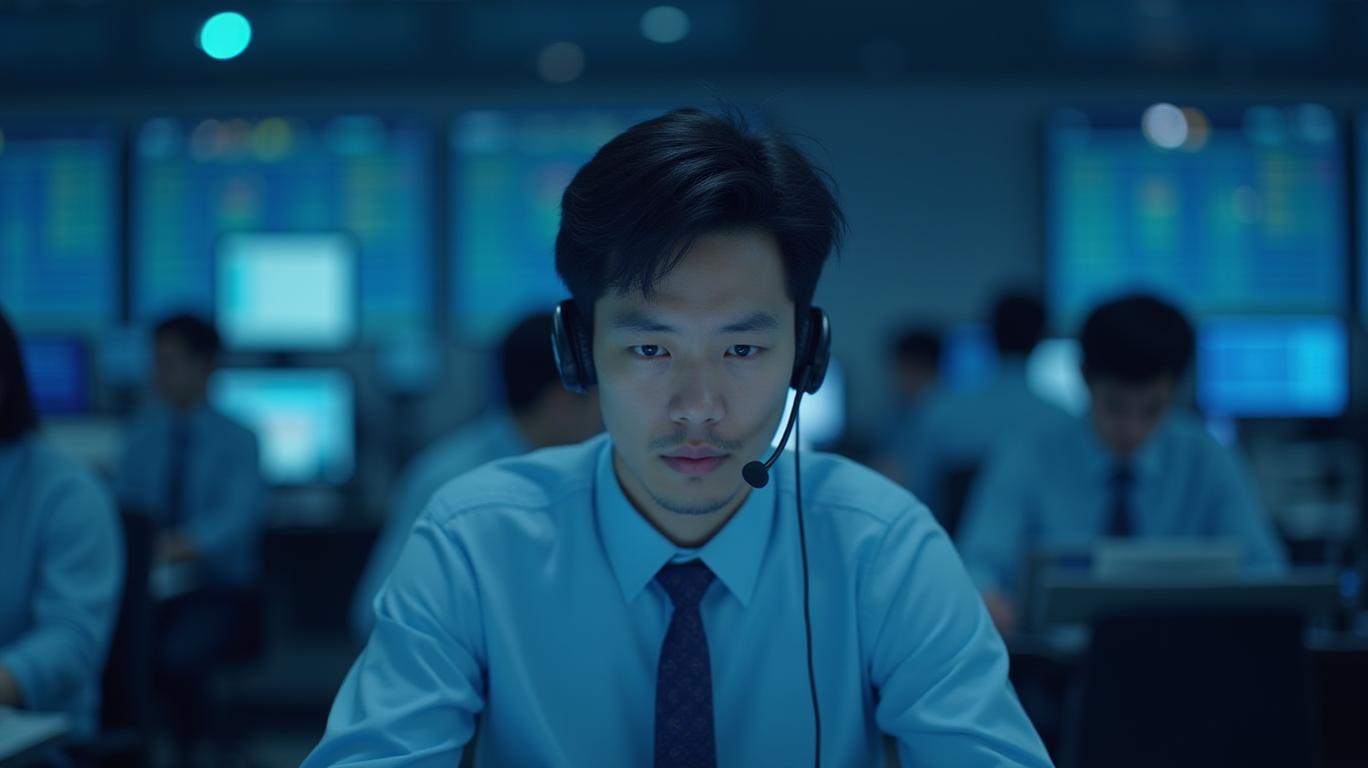
The impact of these tariffs is already being felt across Asia. In commercial and industrial hubs, businesses are grappling with the effects of the levies. Along a strip of small garment and machinery shops in Guangzhou, China, the mood among factory owners was tense. One owner expressed confidence that Americans would still want his exports regardless of tariffs but added that he was worried about consumer confidence and spending faltering in the United States.
The trade war has also had the unexpected effect of making China an even more appealing place to manufacture and buy from. It has eliminated some of the motivation to diversify production or sourcing to places like Vietnam and India. This could lead to increased production costs and reduced efficiency for Asian economies that rely on these supply chains.
Central banks in Asia are also taking action to mitigate the economic fallout. At least two central banks cut borrowing costs on Tuesday, citing the levies and growing pessimism about the global economy. India and New Zealand made the moves at meetings that had been scheduled ahead of the tariffs taking effect. Lowering interest rates can stimulate economic activity and support businesses affected by the tariffs.
The trade war has increased uncertainty and volatility in global markets. The Nikkei 225 Index in Japan decreased 6756 points or 16.93% since the beginning of 2025, reflecting the market's response to the trade tensions. This volatility could deter investment and slow down economic growth in the long term.
However, the trade war could also provide an opportunity for Asian economies to diversify their export markets and reduce their reliance on the U.S. and China. For example, China has strengthened ties with other trading partners, including the European Union and Japan, which have also been affected by U.S. tariffs. This diversification strategy aims to reduce China's vulnerability to U.S. trade actions while expanding alternative markets.
In conclusion, the escalating trade war between the U.S. and China is likely to have significant long-term impacts on the growth prospects of Asian economies. While the trade war presents challenges, it also provides an opportunity for Asian economies to diversify their export markets and reduce their reliance on the U.S. and China. The effectiveness of these measures will depend on the outcome of negotiations and the ability of governments to implement effective domestic policies.



Divulgación editorial y transparencia de la IA: Ainvest News utiliza tecnología avanzada de Modelos de Lenguaje Largo (LLM) para sintetizar y analizar datos de mercado en tiempo real. Para garantizar los más altos estándares de integridad, cada artículo se somete a un riguroso proceso de verificación con participación humana.
Mientras la IA asiste en el procesamiento de datos y la redacción inicial, un miembro editorial profesional de Ainvest revisa, verifica y aprueba de forma independiente todo el contenido para garantizar su precisión y cumplimiento con los estándares editoriales de Ainvest Fintech Inc. Esta supervisión humana está diseñada para mitigar las alucinaciones de la IA y garantizar el contexto financiero.
Advertencia sobre inversiones: Este contenido se proporciona únicamente con fines informativos y no constituye asesoramiento profesional de inversión, legal o financiero. Los mercados conllevan riesgos inherentes. Se recomienda a los usuarios que realicen una investigación independiente o consulten a un asesor financiero certificado antes de tomar cualquier decisión. Ainvest Fintech Inc. se exime de toda responsabilidad por las acciones tomadas con base en esta información. ¿Encontró un error? Reportar un problema


SOBRE NOSOTROS
Nuestra historiaAutores de noticiasBase de conocimientosPolítica de privacidadTérmino de usoDescargo de responsabilidad de corretaje de tercerosTérminos de uso de AIMEDivulgaciones de riesgos de AInvest AICarrerasCONTÁCTENOS
Email: support@ainvest.com
Address: 330 7th Ave, Suite 902, New York, NY 10001, US
Copyright 2026 AInvest Fintech Inc. All rights reserved.


Comentarios
Aún no hay comentarios