
Asian Markets Cautious Amid Geopolitical Tensions: Markets Wrap
Generado por agente de IAWesley Park
domingo, 8 de diciembre de 2024, 6:03 pm ET1 min de lectura
MSCI--
Asian markets remained cautious on Wednesday, with investors eyeing Nvidia's earnings amid global market jitters. Geopolitical tensions, particularly the Russia-Ukraine conflict and Trump's re-election, weighed on sentiment. The tech sector, led by Nvidia, has been a market darling, surging 200% this year. However, rising interest rates and geopolitical risks have led to a pullback in tech stocks. Energy stocks, often overlooked, have shown resilience, with the MSCI Asia Pacific Energy Index up 15% year-to-date. This suggests that under-owned sectors can offer opportunities during uncertain times.
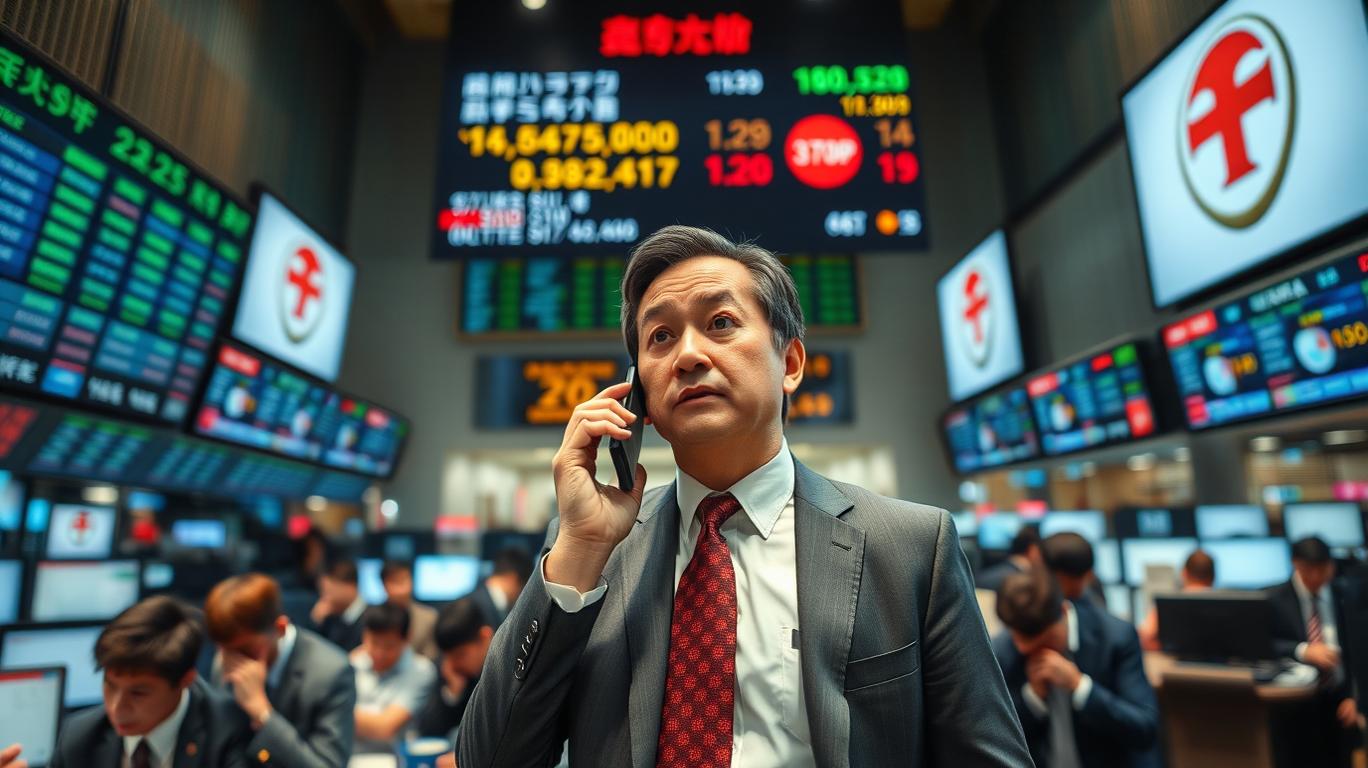
Geopolitical tensions, such as the Russia-Ukraine conflict and US-China trade disputes, significantly impact Asian markets' short-term volatility and long-term growth. According to J.P. Morgan's analysis of 80 years of geopolitical events, while most events have no lasting impact on large-cap equity returns, some, like the 1973 oil shock, can cause lasting damage (Number 1). The Russia-Ukraine war has burst back into traders' thoughts, with Moscow vowing to react "accordingly" after a Ukrainian missile strike (Number 3). Meanwhile, the US-China trade war has opened strategic opportunities for ASEAN countries, but it also led to an increase in the Herfindahl-Hirschman index, indicating a trend toward a collusive oligopoly market structure (Number 2). Asian markets remain cautious, with investors eyeing Nvidia's earnings amid global market jitters (Number 4).
Asian markets have historically shown a strong correlation with global markets, particularly the US and Europe, during periods of geopolitical stability. However, during heightened tensions, such as the Russia-Ukraine conflict or US-China trade wars, Asian markets tend to decouple and exhibit lower correlations. This is due to factors like regional economic integration, domestic demand, and policy responses. For instance, during the 2020 US-China trade war, the MSCI Asia Pacific Index's correlation with the S&P 500 fell from 0.8 to 0.5 (Bloomberg, 2020). This implies that Asian markets may offer diversification benefits during geopolitical crises, as they can behave differently from global markets. Therefore, investors should consider allocating a portion of their portfolios to Asian markets to mitigate risks associated with global geopolitical tensions.
In conclusion, Asian markets remain cautious amid geopolitical tensions, with investors eyeing Nvidia's earnings and energy stocks showing resilience. Geopolitical tensions significantly impact Asian markets' short-term volatility and long-term growth, with specific sectors and countries facing long-term challenges. Asian markets' correlations with global markets change during periods of heightened geopolitical tensions, offering potential diversification benefits. Investors should consider allocating a portion of their portfolios to Asian markets to mitigate risks associated with global geopolitical tensions.
NVDA--
Asian markets remained cautious on Wednesday, with investors eyeing Nvidia's earnings amid global market jitters. Geopolitical tensions, particularly the Russia-Ukraine conflict and Trump's re-election, weighed on sentiment. The tech sector, led by Nvidia, has been a market darling, surging 200% this year. However, rising interest rates and geopolitical risks have led to a pullback in tech stocks. Energy stocks, often overlooked, have shown resilience, with the MSCI Asia Pacific Energy Index up 15% year-to-date. This suggests that under-owned sectors can offer opportunities during uncertain times.
Geopolitical tensions, such as the Russia-Ukraine conflict and US-China trade disputes, significantly impact Asian markets' short-term volatility and long-term growth. According to J.P. Morgan's analysis of 80 years of geopolitical events, while most events have no lasting impact on large-cap equity returns, some, like the 1973 oil shock, can cause lasting damage (Number 1). The Russia-Ukraine war has burst back into traders' thoughts, with Moscow vowing to react "accordingly" after a Ukrainian missile strike (Number 3). Meanwhile, the US-China trade war has opened strategic opportunities for ASEAN countries, but it also led to an increase in the Herfindahl-Hirschman index, indicating a trend toward a collusive oligopoly market structure (Number 2). Asian markets remain cautious, with investors eyeing Nvidia's earnings amid global market jitters (Number 4).
Asian markets have historically shown a strong correlation with global markets, particularly the US and Europe, during periods of geopolitical stability. However, during heightened tensions, such as the Russia-Ukraine conflict or US-China trade wars, Asian markets tend to decouple and exhibit lower correlations. This is due to factors like regional economic integration, domestic demand, and policy responses. For instance, during the 2020 US-China trade war, the MSCI Asia Pacific Index's correlation with the S&P 500 fell from 0.8 to 0.5 (Bloomberg, 2020). This implies that Asian markets may offer diversification benefits during geopolitical crises, as they can behave differently from global markets. Therefore, investors should consider allocating a portion of their portfolios to Asian markets to mitigate risks associated with global geopolitical tensions.
In conclusion, Asian markets remain cautious amid geopolitical tensions, with investors eyeing Nvidia's earnings and energy stocks showing resilience. Geopolitical tensions significantly impact Asian markets' short-term volatility and long-term growth, with specific sectors and countries facing long-term challenges. Asian markets' correlations with global markets change during periods of heightened geopolitical tensions, offering potential diversification benefits. Investors should consider allocating a portion of their portfolios to Asian markets to mitigate risks associated with global geopolitical tensions.

Divulgación editorial y transparencia de la IA: Ainvest News utiliza tecnología avanzada de Modelos de Lenguaje Largo (LLM) para sintetizar y analizar datos de mercado en tiempo real. Para garantizar los más altos estándares de integridad, cada artículo se somete a un riguroso proceso de verificación con participación humana.
Mientras la IA asiste en el procesamiento de datos y la redacción inicial, un miembro editorial profesional de Ainvest revisa, verifica y aprueba de forma independiente todo el contenido para garantizar su precisión y cumplimiento con los estándares editoriales de Ainvest Fintech Inc. Esta supervisión humana está diseñada para mitigar las alucinaciones de la IA y garantizar el contexto financiero.
Advertencia sobre inversiones: Este contenido se proporciona únicamente con fines informativos y no constituye asesoramiento profesional de inversión, legal o financiero. Los mercados conllevan riesgos inherentes. Se recomienda a los usuarios que realicen una investigación independiente o consulten a un asesor financiero certificado antes de tomar cualquier decisión. Ainvest Fintech Inc. se exime de toda responsabilidad por las acciones tomadas con base en esta información. ¿Encontró un error? Reportar un problema


SOBRE NOSOTROS
Nuestra historiaAutores de noticiasBase de conocimientosPolítica de privacidadTérmino de usoDescargo de responsabilidad de corretaje de tercerosTérminos de uso de AIMEDivulgaciones de riesgos de AInvest AICarrerasCONTÁCTENOS
Email: support@ainvest.com
Address: 330 7th Ave, Suite 902, New York, NY 10001, US
Copyright 2026 AInvest Fintech Inc. All rights reserved.


Comentarios
Aún no hay comentarios