
Asian Currency Levels to Watch as Trump Returns to White House
Generado por agente de IAWesley Park
lunes, 16 de diciembre de 2024, 8:18 pm ET1 min de lectura
EYE--
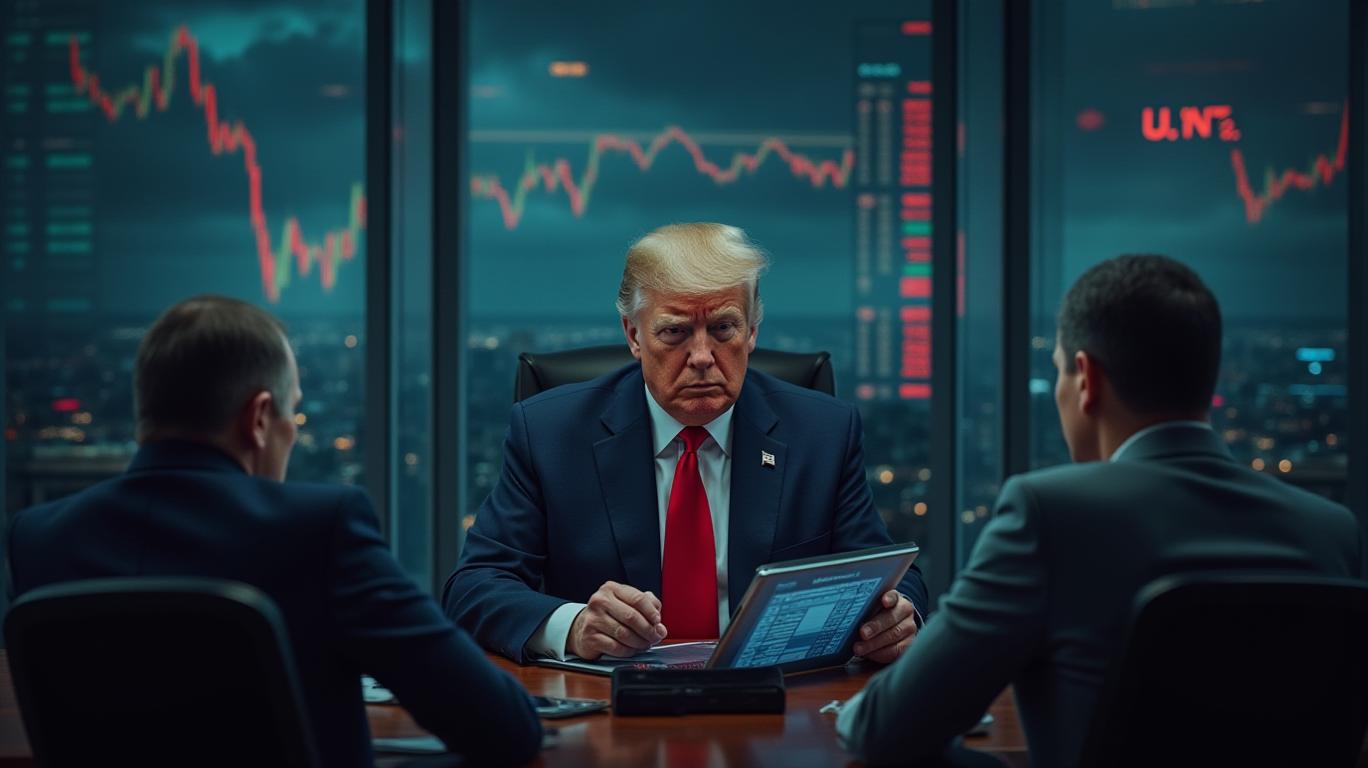
As Donald Trump prepares to return to the White House, investors are keeping a close eye on Asian currencies, anticipating potential impacts from the new administration's trade policies. Trump's victory in the 2024 US presidential election has raised concerns about increased tariffs and trade tensions, which could significantly affect Asian economies and their currencies.
One currency that investors are closely watching is the Chinese Yuan (CNY). According to MUFG Research, a 60% tariff on Chinese products would require a 10-12% depreciation of the CNY to offset the negative impact, assuming other factors remain unchanged. However, fiscal support could mitigate this depreciation, with estimates suggesting a RMB 2.5-3 trillion stimulus could offset the tariff's drag on China's GDP. Asian currencies with higher exposure to the Chinese market, such as the Singapore Dollar (SGD) and Thai Baht (THB), may also face vulnerabilities.
Another currency to watch is the Japanese Yen (JPY). Japan's economy is heavily reliant on exports, making it susceptible to changes in global trade dynamics. A strengthening JPY could negatively impact Japanese companies' competitiveness in international markets, while a weaker JPY could boost exports. Investors should monitor the JPY's movements in response to Trump's trade policies and their impact on the Japanese economy.
The South Korean Won (KRW) is another Asian currency that could be affected by Trump's trade policies. South Korea's economy is closely tied to global trade, and any disruptions in trade flows could have a significant impact on the KRW. Investors should pay close attention to the KRW's performance as Trump's administration implements its trade policies.

In conclusion, Asian currencies are likely to be impacted by Trump's return to the White House and his administration's trade policies. Investors should closely monitor currencies such as the CNY, JPY, and KRW, as their movements could provide valuable insights into the potential impacts of Trump's policies on Asian economies. By staying informed and adapting their investment strategies accordingly, investors can better navigate the uncertainties that lie ahead.
Word count: 598
As Donald Trump prepares to return to the White House, investors are keeping a close eye on Asian currencies, anticipating potential impacts from the new administration's trade policies. Trump's victory in the 2024 US presidential election has raised concerns about increased tariffs and trade tensions, which could significantly affect Asian economies and their currencies.
One currency that investors are closely watching is the Chinese Yuan (CNY). According to MUFG Research, a 60% tariff on Chinese products would require a 10-12% depreciation of the CNY to offset the negative impact, assuming other factors remain unchanged. However, fiscal support could mitigate this depreciation, with estimates suggesting a RMB 2.5-3 trillion stimulus could offset the tariff's drag on China's GDP. Asian currencies with higher exposure to the Chinese market, such as the Singapore Dollar (SGD) and Thai Baht (THB), may also face vulnerabilities.
Another currency to watch is the Japanese Yen (JPY). Japan's economy is heavily reliant on exports, making it susceptible to changes in global trade dynamics. A strengthening JPY could negatively impact Japanese companies' competitiveness in international markets, while a weaker JPY could boost exports. Investors should monitor the JPY's movements in response to Trump's trade policies and their impact on the Japanese economy.
The South Korean Won (KRW) is another Asian currency that could be affected by Trump's trade policies. South Korea's economy is closely tied to global trade, and any disruptions in trade flows could have a significant impact on the KRW. Investors should pay close attention to the KRW's performance as Trump's administration implements its trade policies.
In conclusion, Asian currencies are likely to be impacted by Trump's return to the White House and his administration's trade policies. Investors should closely monitor currencies such as the CNY, JPY, and KRW, as their movements could provide valuable insights into the potential impacts of Trump's policies on Asian economies. By staying informed and adapting their investment strategies accordingly, investors can better navigate the uncertainties that lie ahead.
Word count: 598

Divulgación editorial y transparencia de la IA: Ainvest News utiliza tecnología avanzada de Modelos de Lenguaje Largo (LLM) para sintetizar y analizar datos de mercado en tiempo real. Para garantizar los más altos estándares de integridad, cada artículo se somete a un riguroso proceso de verificación con participación humana.
Mientras la IA asiste en el procesamiento de datos y la redacción inicial, un miembro editorial profesional de Ainvest revisa, verifica y aprueba de forma independiente todo el contenido para garantizar su precisión y cumplimiento con los estándares editoriales de Ainvest Fintech Inc. Esta supervisión humana está diseñada para mitigar las alucinaciones de la IA y garantizar el contexto financiero.
Advertencia sobre inversiones: Este contenido se proporciona únicamente con fines informativos y no constituye asesoramiento profesional de inversión, legal o financiero. Los mercados conllevan riesgos inherentes. Se recomienda a los usuarios que realicen una investigación independiente o consulten a un asesor financiero certificado antes de tomar cualquier decisión. Ainvest Fintech Inc. se exime de toda responsabilidad por las acciones tomadas con base en esta información. ¿Encontró un error? Reportar un problema


SOBRE NOSOTROS
Nuestra historiaAutores de noticiasBase de conocimientosPolítica de privacidadTérmino de usoDescargo de responsabilidad de corretaje de tercerosTérminos de uso de AIMEDivulgaciones de riesgos de AInvest AICarrerasCONTÁCTENOS
Email: support@ainvest.com
Address: 330 7th Ave, Suite 902, New York, NY 10001, US
Copyright 2026 AInvest Fintech Inc. All rights reserved.


Comentarios
Aún no hay comentarios