
Asian Car and Battery Makers Face Uncertainty as Trump Takes Office
Generado por agente de IAWesley Park
lunes, 20 de enero de 2025, 9:48 pm ET2 min de lectura
HMC--
As President Donald Trump settles into the Oval Office, Asian car and battery makers are bracing for potential headwinds as the new administration's trade policies and tariff threats loom large. The automotive and energy storage industries have been on a rollercoaster ride over the past few years, with the U.S. election results adding another layer of uncertainty to their future prospects.
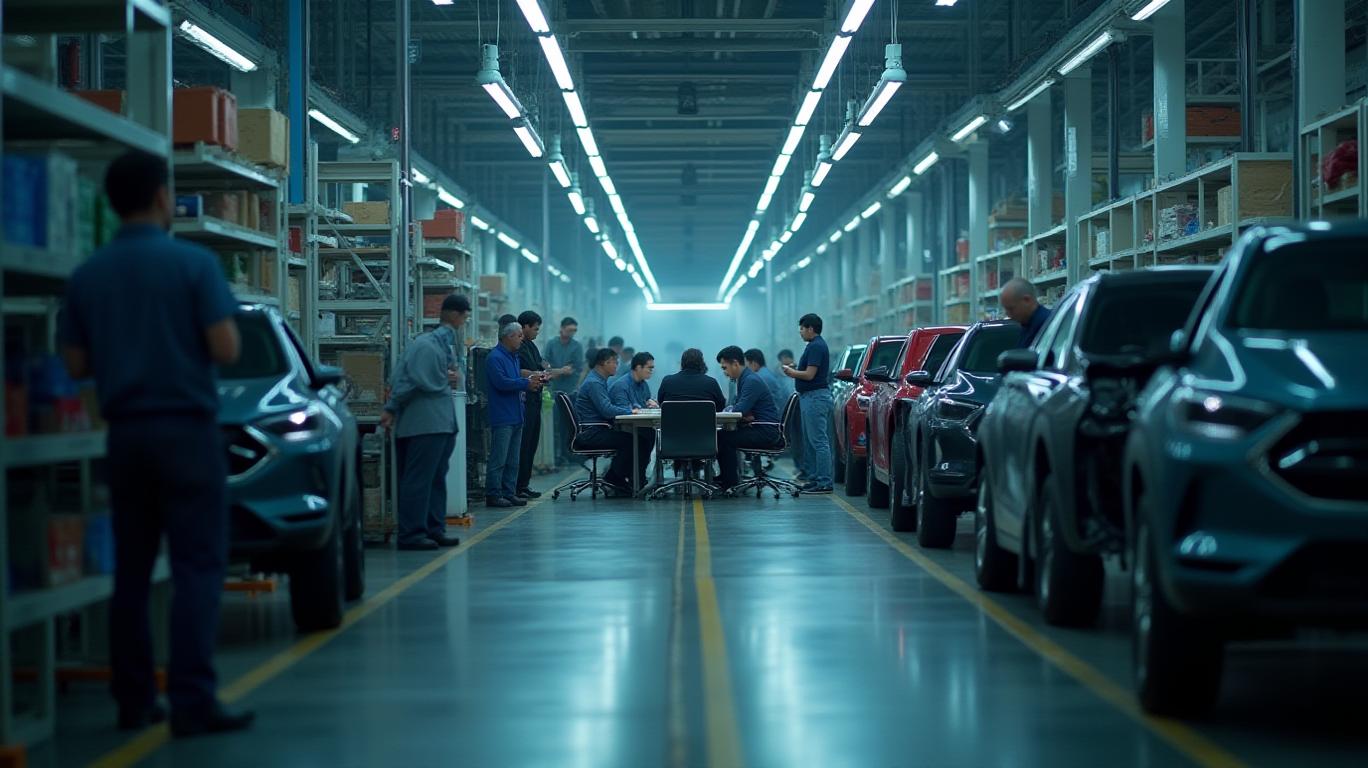
The U.S. market has been a critical growth engine for Asian automakers and battery producers, with many companies investing heavily in local production and R&D facilities. However, Trump's threat to impose tariffs on imported vehicles and components has raised concerns about the financial viability of these investments. Japanese automakers like Nissan and Honda have already warned that they may need to reconsider their production strategies in response to the potential tariffs (Reuters, 2025).
South Korean battery makers, such as LG Energy Solution, Samsung SDI, and SK Innovation, have also felt the heat from Trump's tariff threats. Shares of these companies fell sharply in response to the news, indicating a negative market reaction to the potential disruption in their supply chains (Reuters, 2025).
Asian car and battery makers are now faced with a difficult decision: should they continue to invest in the U.S. market, despite the uncertainty surrounding Trump's trade policies, or should they diversify their production and supply chains to reduce their exposure to potential tariffs? The answer to this question will depend on each company's unique circumstances and risk tolerance.
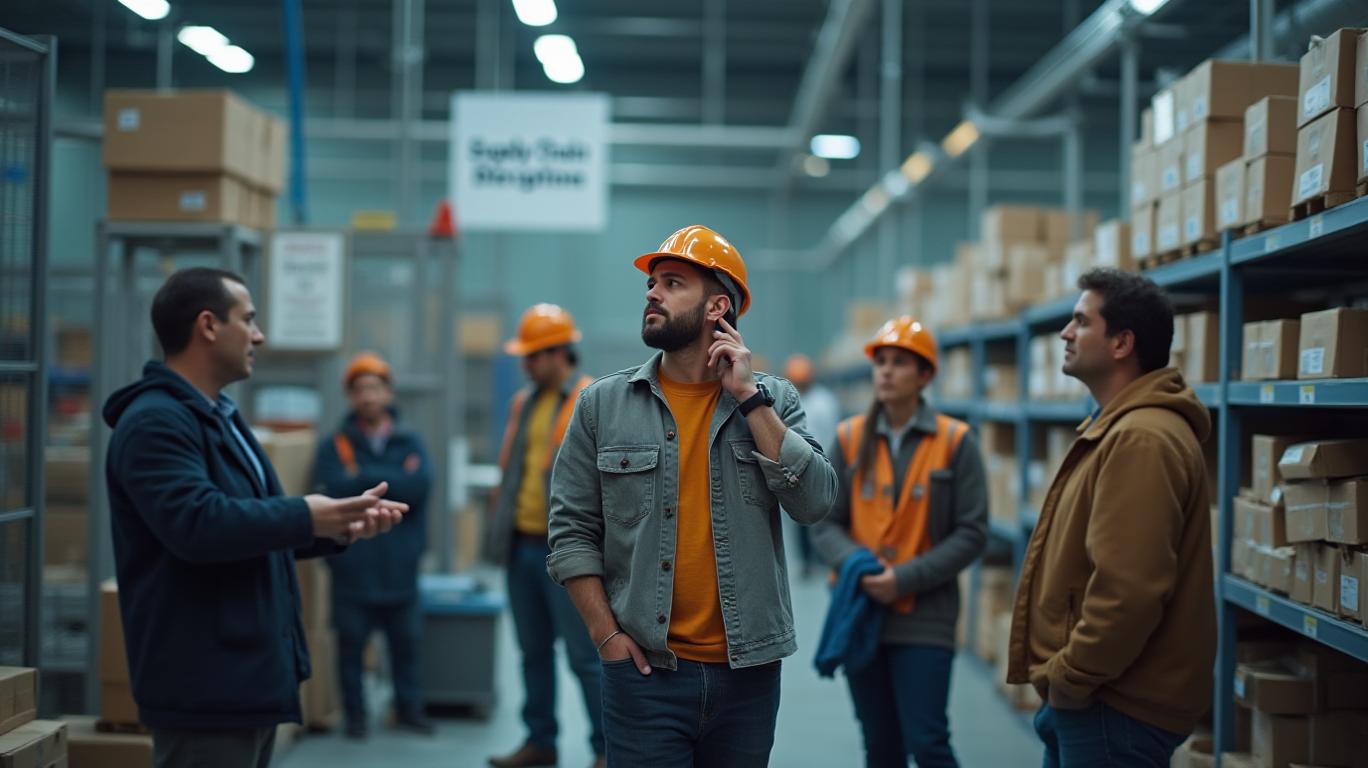
One possible strategy for Asian companies is to diversify their production and supply chains to reduce their dependence on the U.S. market. This could involve investing in emerging markets or forming strategic alliances with local partners to share risks and costs. For example, Toyota has already started exploring new partnerships and revamping supply chains to stay competitive in the vital U.S. market (Yamaguchi, 2025).
Another option is for Asian companies to focus on cost-cutting measures and improving profitability to offset the potential impact of tariffs on their bottom lines. This could involve investing in new technologies or streamlining operations to reduce costs and increase efficiency.
Regardless of the strategic response chosen, Asian car and battery makers must remain vigilant and adaptable in the face of changing market conditions and geopolitical dynamics. The U.S.-China trade dynamics, in particular, will continue to influence the competitive position of Asian companies in the global market. As the U.S. and China engage in a tug-of-war over trade and technology, Asian companies must navigate these complex geopolitical currents to maintain their competitive edge.
In conclusion, Asian car and battery makers face significant uncertainty as President Trump takes office and implements his trade policies. The potential impact of tariffs on their financial performance, combined with the geopolitical dynamics of the U.S.-China trade relationship, requires these companies to make strategic decisions about their production and supply chains. By remaining adaptable and focused on cost-cutting measures, Asian companies can mitigate the effects of tariffs and maintain their competitiveness in the global market.
TM--
As President Donald Trump settles into the Oval Office, Asian car and battery makers are bracing for potential headwinds as the new administration's trade policies and tariff threats loom large. The automotive and energy storage industries have been on a rollercoaster ride over the past few years, with the U.S. election results adding another layer of uncertainty to their future prospects.
The U.S. market has been a critical growth engine for Asian automakers and battery producers, with many companies investing heavily in local production and R&D facilities. However, Trump's threat to impose tariffs on imported vehicles and components has raised concerns about the financial viability of these investments. Japanese automakers like Nissan and Honda have already warned that they may need to reconsider their production strategies in response to the potential tariffs (Reuters, 2025).
South Korean battery makers, such as LG Energy Solution, Samsung SDI, and SK Innovation, have also felt the heat from Trump's tariff threats. Shares of these companies fell sharply in response to the news, indicating a negative market reaction to the potential disruption in their supply chains (Reuters, 2025).
Asian car and battery makers are now faced with a difficult decision: should they continue to invest in the U.S. market, despite the uncertainty surrounding Trump's trade policies, or should they diversify their production and supply chains to reduce their exposure to potential tariffs? The answer to this question will depend on each company's unique circumstances and risk tolerance.
One possible strategy for Asian companies is to diversify their production and supply chains to reduce their dependence on the U.S. market. This could involve investing in emerging markets or forming strategic alliances with local partners to share risks and costs. For example, Toyota has already started exploring new partnerships and revamping supply chains to stay competitive in the vital U.S. market (Yamaguchi, 2025).
Another option is for Asian companies to focus on cost-cutting measures and improving profitability to offset the potential impact of tariffs on their bottom lines. This could involve investing in new technologies or streamlining operations to reduce costs and increase efficiency.
Regardless of the strategic response chosen, Asian car and battery makers must remain vigilant and adaptable in the face of changing market conditions and geopolitical dynamics. The U.S.-China trade dynamics, in particular, will continue to influence the competitive position of Asian companies in the global market. As the U.S. and China engage in a tug-of-war over trade and technology, Asian companies must navigate these complex geopolitical currents to maintain their competitive edge.
In conclusion, Asian car and battery makers face significant uncertainty as President Trump takes office and implements his trade policies. The potential impact of tariffs on their financial performance, combined with the geopolitical dynamics of the U.S.-China trade relationship, requires these companies to make strategic decisions about their production and supply chains. By remaining adaptable and focused on cost-cutting measures, Asian companies can mitigate the effects of tariffs and maintain their competitiveness in the global market.

Divulgación editorial y transparencia de la IA: Ainvest News utiliza tecnología avanzada de Modelos de Lenguaje Largo (LLM) para sintetizar y analizar datos de mercado en tiempo real. Para garantizar los más altos estándares de integridad, cada artículo se somete a un riguroso proceso de verificación con participación humana.
Mientras la IA asiste en el procesamiento de datos y la redacción inicial, un miembro editorial profesional de Ainvest revisa, verifica y aprueba de forma independiente todo el contenido para garantizar su precisión y cumplimiento con los estándares editoriales de Ainvest Fintech Inc. Esta supervisión humana está diseñada para mitigar las alucinaciones de la IA y garantizar el contexto financiero.
Advertencia sobre inversiones: Este contenido se proporciona únicamente con fines informativos y no constituye asesoramiento profesional de inversión, legal o financiero. Los mercados conllevan riesgos inherentes. Se recomienda a los usuarios que realicen una investigación independiente o consulten a un asesor financiero certificado antes de tomar cualquier decisión. Ainvest Fintech Inc. se exime de toda responsabilidad por las acciones tomadas con base en esta información. ¿Encontró un error? Reportar un problema


SOBRE NOSOTROS
Nuestra historiaAutores de noticiasBase de conocimientosPolítica de privacidadTérmino de usoDescargo de responsabilidad de corretaje de tercerosTérminos de uso de AIMEDivulgaciones de riesgos de AInvest AICarrerasCONTÁCTENOS
Email: support@ainvest.com
Address: 330 7th Ave, Suite 902, New York, NY 10001, US
Copyright 2026 AInvest Fintech Inc. All rights reserved.


Comentarios
Aún no hay comentarios