
Asia Traders Cautious as Trump Floats More Tariffs
Generado por agente de IAWesley Park
martes, 18 de febrero de 2025, 6:23 pm ET1 min de lectura
BOOM--
Asian markets are on edge as President Trump floats the idea of imposing additional tariffs on steel and aluminum imports, with traders and investors alike bracing for potential fallout. The proposed tariffs, which could reach as high as 25%, have raised concerns about the impact on regional supply chains and economic growth.
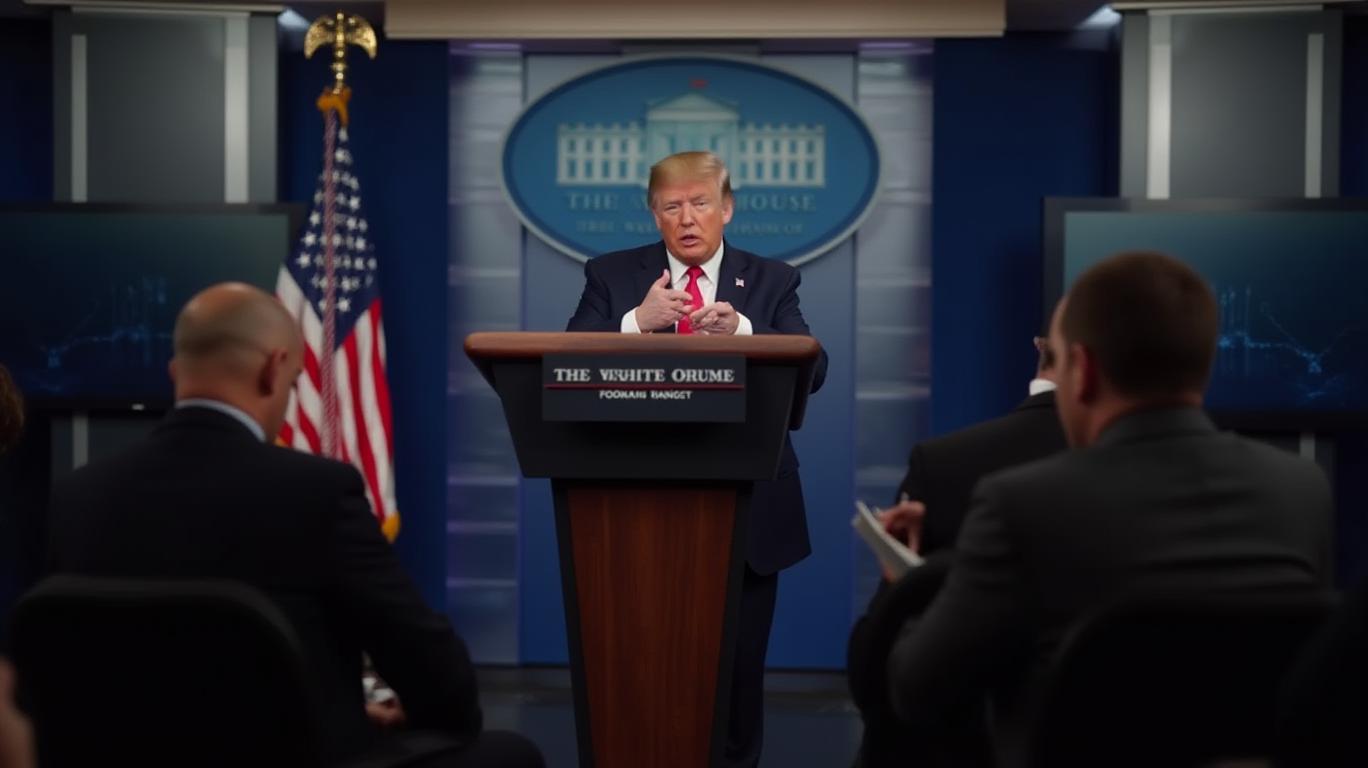
The uncertainty surrounding Trump's trade policies has led to a cautious approach among Asian traders, with many adopting a wait-and-see attitude. The potential for a renewed trade war with China, coupled with the threat of tariffs on other countries, has created a challenging environment for investors and businesses operating in the region.
One of the key concerns for Asian traders is the potential disruption to supply chains, as companies may be forced to relocate their manufacturing facilities to avoid tariffs. This could lead to increased costs and reduced efficiency, as well as potential job losses in affected industries. Additionally, the uncertainty surrounding Trump's trade policies may deter cross-border investments and future capacity increases, further impacting economic growth.
Another factor contributing to the cautious sentiment among Asian traders is the potential impact on the Chinese economy. A blow to the Chinese economy could have spillover effects on ASEAN countries that depend on Chinese consumption, export demand, and tourism. Weaker appetite for Chinese goods would affect Southeast Asian suppliers of inputs to Chinese producers, with Indonesia, Southeast Asia's largest economy, being particularly vulnerable due to its 24.2% export exposure to China, mainly of commodities.
Despite the challenges posed by Trump's tariff threats, there are potential benefits for Southeast Asian countries in the long run. The region's current manufacturing boom began because of the trade war, and analysts expect that, in time, trade substitution and diversion will outweigh the hit to growth. Additionally, electric vehicle factories courted by some Southeast Asian governments could provide an economic buffer, as smaller countries try to become carbon neutral and increase their demand for electric cars.
In conclusion, the uncertainty surrounding Trump's trade policies has led to a cautious approach among Asian traders, with potential consequences for supply chain strategies and economic growth in the region. While the short-term impact may be challenging, Southeast Asian countries can potentially benefit from trade diversion and substitution in the long run. However, governments must be prepared to navigate the challenges and uncertainties that these tariffs present, and investors should remain vigilant in monitoring the situation and adjusting their portfolios accordingly.
Asian markets are on edge as President Trump floats the idea of imposing additional tariffs on steel and aluminum imports, with traders and investors alike bracing for potential fallout. The proposed tariffs, which could reach as high as 25%, have raised concerns about the impact on regional supply chains and economic growth.
The uncertainty surrounding Trump's trade policies has led to a cautious approach among Asian traders, with many adopting a wait-and-see attitude. The potential for a renewed trade war with China, coupled with the threat of tariffs on other countries, has created a challenging environment for investors and businesses operating in the region.
One of the key concerns for Asian traders is the potential disruption to supply chains, as companies may be forced to relocate their manufacturing facilities to avoid tariffs. This could lead to increased costs and reduced efficiency, as well as potential job losses in affected industries. Additionally, the uncertainty surrounding Trump's trade policies may deter cross-border investments and future capacity increases, further impacting economic growth.
Another factor contributing to the cautious sentiment among Asian traders is the potential impact on the Chinese economy. A blow to the Chinese economy could have spillover effects on ASEAN countries that depend on Chinese consumption, export demand, and tourism. Weaker appetite for Chinese goods would affect Southeast Asian suppliers of inputs to Chinese producers, with Indonesia, Southeast Asia's largest economy, being particularly vulnerable due to its 24.2% export exposure to China, mainly of commodities.
Despite the challenges posed by Trump's tariff threats, there are potential benefits for Southeast Asian countries in the long run. The region's current manufacturing boom began because of the trade war, and analysts expect that, in time, trade substitution and diversion will outweigh the hit to growth. Additionally, electric vehicle factories courted by some Southeast Asian governments could provide an economic buffer, as smaller countries try to become carbon neutral and increase their demand for electric cars.
In conclusion, the uncertainty surrounding Trump's trade policies has led to a cautious approach among Asian traders, with potential consequences for supply chain strategies and economic growth in the region. While the short-term impact may be challenging, Southeast Asian countries can potentially benefit from trade diversion and substitution in the long run. However, governments must be prepared to navigate the challenges and uncertainties that these tariffs present, and investors should remain vigilant in monitoring the situation and adjusting their portfolios accordingly.

Divulgación editorial y transparencia de la IA: Ainvest News utiliza tecnología avanzada de Modelos de Lenguaje Largo (LLM) para sintetizar y analizar datos de mercado en tiempo real. Para garantizar los más altos estándares de integridad, cada artículo se somete a un riguroso proceso de verificación con participación humana.
Mientras la IA asiste en el procesamiento de datos y la redacción inicial, un miembro editorial profesional de Ainvest revisa, verifica y aprueba de forma independiente todo el contenido para garantizar su precisión y cumplimiento con los estándares editoriales de Ainvest Fintech Inc. Esta supervisión humana está diseñada para mitigar las alucinaciones de la IA y garantizar el contexto financiero.
Advertencia sobre inversiones: Este contenido se proporciona únicamente con fines informativos y no constituye asesoramiento profesional de inversión, legal o financiero. Los mercados conllevan riesgos inherentes. Se recomienda a los usuarios que realicen una investigación independiente o consulten a un asesor financiero certificado antes de tomar cualquier decisión. Ainvest Fintech Inc. se exime de toda responsabilidad por las acciones tomadas con base en esta información. ¿Encontró un error? Reportar un problema




Comentarios
Aún no hay comentarios