
Asia-Pacific's Airline Boom: Driving Global Revenue Over US$1 Trillion in 2025
Generado por agente de IATheodore Quinn
viernes, 10 de enero de 2025, 2:10 am ET2 min de lectura
AIR--
The Asia-Pacific region is set to lead the global airline industry's recovery, with projected revenue exceeding US$1 trillion for the first time in 2025. Avolon, a leading aircraft leasing company, predicts that the region's strong demand for both business and leisure travel, coupled with a significant aircraft order backlog, will drive this growth. This article explores the key factors contributing to Asia-Pacific's airline boom and its impact on global aviation trends.

Strong Domestic Travel Demand
The Asia-Pacific region has witnessed robust growth in domestic passenger traffic, with countries like China, India, South Korea, and Australia reporting increases of over 20% compared to the previous year. This trend is expected to continue, driving demand for new aircraft and expanding route networks. For instance, IndiGo, a low-cost airline in India, has increased its fleet by more than 300% during the pandemic period and has over 580 aircraft on order (Source: CAPA - Centre for Aviation).
Expansion of Low-Cost Carriers (LCCs)
Low-cost carriers in the region are rapidly expanding their fleet and route networks, contributing to the growth in the airline segment. LCCs like IndiGo, AirAsia, and Scoot are aggressively adding new aircraft to their fleet, which is expected to drive growth in the segment. This expansion is also likely to attract new passengers, further boosting demand for air travel.
Growing Demand for Business Jets and Helicopters
The increasing number of high-net-worth individuals in the Asia-Pacific region is driving demand for business jets and helicopters from charter and other aircraft operators. This trend is expected to continue, contributing to the growth in airline revenue. Additionally, the tourism sector in the region is growing, further driving demand for leisure travel and business aviation services.
Investment in New Aircraft
Several countries in the Asia-Pacific region are developing indigenous newer generation aircraft across the commercial and military segments. This move is expected to enhance the manufacturing capabilities and the market share of the players during the forecast period. For example, China is investing heavily in developing its own aircraft, such as the COMAC C919 and ARJ21, to reduce its dependence on foreign aircraft manufacturers.
Military Spending
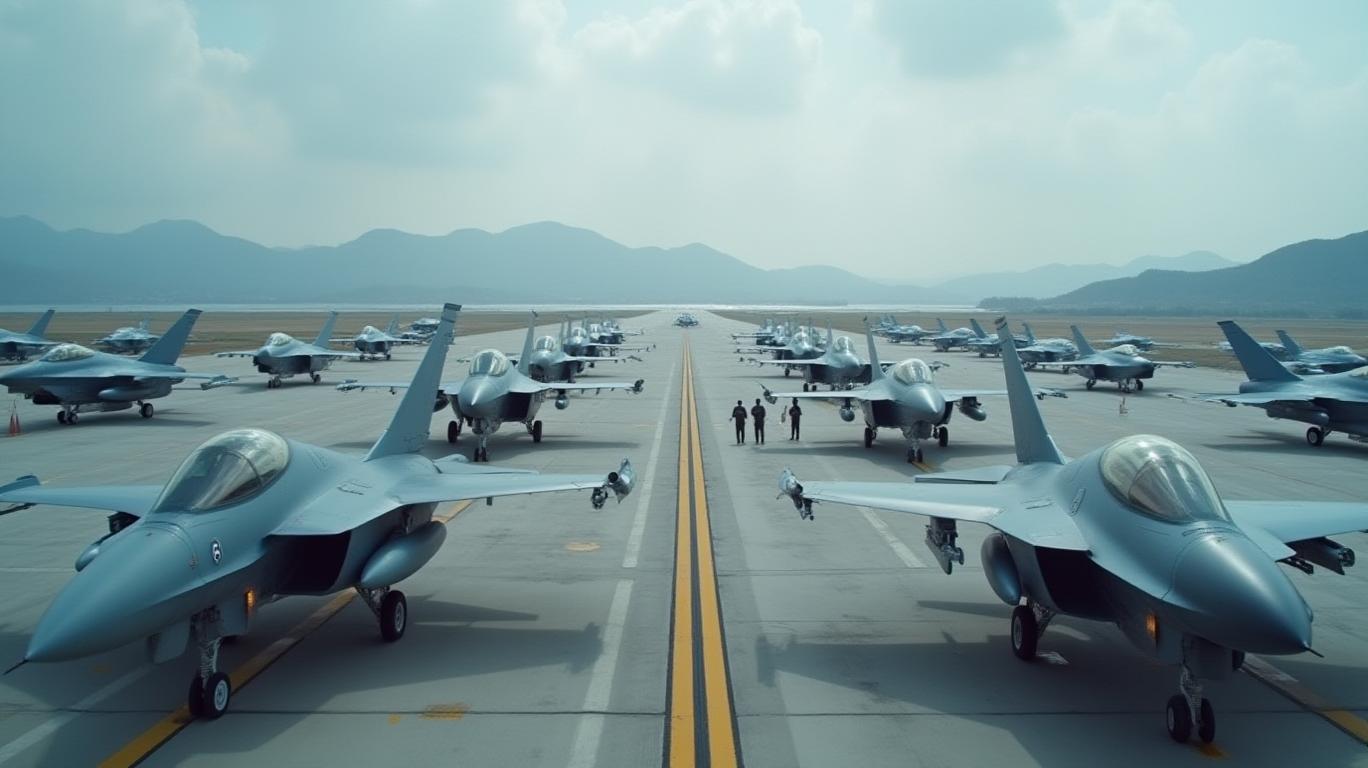
The ongoing geopolitical tensions between various countries in the Asia-Pacific region are propelling investments towards the procurement of new generation aircraft for combat and non-combat applications. This is expected to drive growth in the military aviation segment, further boosting the region's overall airline revenue.
Challenges and Outlook
While the Asia-Pacific region is expected to lead the global airline industry's recovery, airlines may face several challenges in maintaining this growth trajectory. These include aircraft availability and delivery delays, cost pressures, geopolitical tensions, and sustainability concerns. However, with strategic planning and collaboration, Asia-Pacific airlines can overcome these challenges and continue to contribute to the region's economic development.
In conclusion, the Asia-Pacific region's strong domestic travel demand, expansion of LCCs, growing demand for business jets and helicopters, investment in new aircraft, and military spending are driving the projected growth in airline revenue. This growth is expected to have a significant impact on global aviation trends, with the region adding more seats to schedules in 2025 than all other regions combined. As the region continues to recover from the COVID-19 pandemic, airlines must address the challenges they face to maintain their growth trajectory and ensure the long-term sustainability of the industry.
BOOM--
CHTR--
The Asia-Pacific region is set to lead the global airline industry's recovery, with projected revenue exceeding US$1 trillion for the first time in 2025. Avolon, a leading aircraft leasing company, predicts that the region's strong demand for both business and leisure travel, coupled with a significant aircraft order backlog, will drive this growth. This article explores the key factors contributing to Asia-Pacific's airline boom and its impact on global aviation trends.
Strong Domestic Travel Demand
The Asia-Pacific region has witnessed robust growth in domestic passenger traffic, with countries like China, India, South Korea, and Australia reporting increases of over 20% compared to the previous year. This trend is expected to continue, driving demand for new aircraft and expanding route networks. For instance, IndiGo, a low-cost airline in India, has increased its fleet by more than 300% during the pandemic period and has over 580 aircraft on order (Source: CAPA - Centre for Aviation).
Expansion of Low-Cost Carriers (LCCs)
Low-cost carriers in the region are rapidly expanding their fleet and route networks, contributing to the growth in the airline segment. LCCs like IndiGo, AirAsia, and Scoot are aggressively adding new aircraft to their fleet, which is expected to drive growth in the segment. This expansion is also likely to attract new passengers, further boosting demand for air travel.
Growing Demand for Business Jets and Helicopters
The increasing number of high-net-worth individuals in the Asia-Pacific region is driving demand for business jets and helicopters from charter and other aircraft operators. This trend is expected to continue, contributing to the growth in airline revenue. Additionally, the tourism sector in the region is growing, further driving demand for leisure travel and business aviation services.
Investment in New Aircraft
Several countries in the Asia-Pacific region are developing indigenous newer generation aircraft across the commercial and military segments. This move is expected to enhance the manufacturing capabilities and the market share of the players during the forecast period. For example, China is investing heavily in developing its own aircraft, such as the COMAC C919 and ARJ21, to reduce its dependence on foreign aircraft manufacturers.
Military Spending
The ongoing geopolitical tensions between various countries in the Asia-Pacific region are propelling investments towards the procurement of new generation aircraft for combat and non-combat applications. This is expected to drive growth in the military aviation segment, further boosting the region's overall airline revenue.
Challenges and Outlook
While the Asia-Pacific region is expected to lead the global airline industry's recovery, airlines may face several challenges in maintaining this growth trajectory. These include aircraft availability and delivery delays, cost pressures, geopolitical tensions, and sustainability concerns. However, with strategic planning and collaboration, Asia-Pacific airlines can overcome these challenges and continue to contribute to the region's economic development.
In conclusion, the Asia-Pacific region's strong domestic travel demand, expansion of LCCs, growing demand for business jets and helicopters, investment in new aircraft, and military spending are driving the projected growth in airline revenue. This growth is expected to have a significant impact on global aviation trends, with the region adding more seats to schedules in 2025 than all other regions combined. As the region continues to recover from the COVID-19 pandemic, airlines must address the challenges they face to maintain their growth trajectory and ensure the long-term sustainability of the industry.

Divulgación editorial y transparencia de la IA: Ainvest News utiliza tecnología avanzada de Modelos de Lenguaje Largo (LLM) para sintetizar y analizar datos de mercado en tiempo real. Para garantizar los más altos estándares de integridad, cada artículo se somete a un riguroso proceso de verificación con participación humana.
Mientras la IA asiste en el procesamiento de datos y la redacción inicial, un miembro editorial profesional de Ainvest revisa, verifica y aprueba de forma independiente todo el contenido para garantizar su precisión y cumplimiento con los estándares editoriales de Ainvest Fintech Inc. Esta supervisión humana está diseñada para mitigar las alucinaciones de la IA y garantizar el contexto financiero.
Advertencia sobre inversiones: Este contenido se proporciona únicamente con fines informativos y no constituye asesoramiento profesional de inversión, legal o financiero. Los mercados conllevan riesgos inherentes. Se recomienda a los usuarios que realicen una investigación independiente o consulten a un asesor financiero certificado antes de tomar cualquier decisión. Ainvest Fintech Inc. se exime de toda responsabilidad por las acciones tomadas con base en esta información. ¿Encontró un error? Reportar un problema


SOBRE NOSOTROS
Nuestra historiaAutores de noticiasBase de conocimientosPolítica de privacidadTérmino de usoDescargo de responsabilidad de corretaje de tercerosTérminos de uso de AIMEDivulgaciones de riesgos de AInvest AICarrerasCONTÁCTENOS
Email: support@ainvest.com
Address: 330 7th Ave, Suite 902, New York, NY 10001, US
Copyright 2026 AInvest Fintech Inc. All rights reserved.


Comentarios
Aún no hay comentarios