
Arverne's Dual Opportunity in Geothermal Energy and Lithium Extraction: A Strategic Play for Energy Sovereignty and ESG-Driven Growth
France's energy transition is accelerating, driven by ambitious decarbonization targets and a push for energy sovereignty. At the forefront of this transformation is Arverne, a geothermal solutions provider uniquely positioned to capitalize on two critical sectors: decarbonizing heating infrastructure and extracting sustainable lithium. By aligning its operations with national and EU-level policies, securing strategic partnerships, and leveraging cutting-edge technology, Arverne is emerging as a high-conviction, multi-sectoral play in the energy transition.
Geothermal Heating: A Pillar of Decarbonization
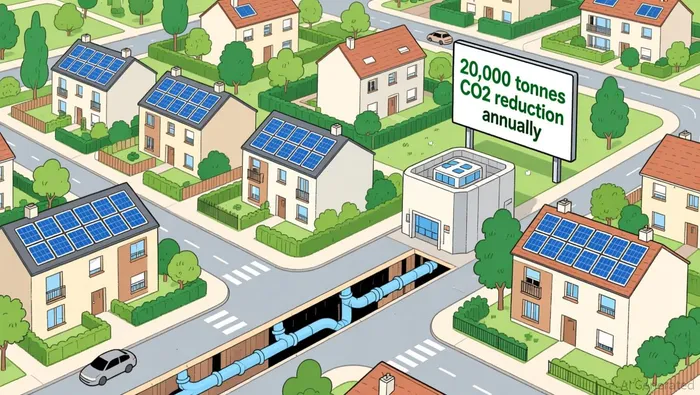
Arverne's geothermal projects are directly addressing France's need to reduce reliance on fossil fuels for heating. In Île-de-France, the company is constructing a 26-kilometre geothermal district heating network in Clichy-sous-Bois and Livry-Gargan, set to deliver 115 gigawatt-hours (GWh) of low-carbon heat annually by 2031. This project, supported by ADEME and the regional government under a 30-year concession, will cut carbon emissions by 20,000 tonnes per year and reduce residents' energy bills by up to 50% according to a January 2025 update.
In Nouvelle-Aquitaine, Arverne is partnering with Terra Energies to develop 10 investment vehicles by 2029, targeting 500 GWh of annual thermal energy. This aligns with the region's Neo Terra roadmap, which aims for 45% renewable energy by 2030. Such projects underscore Arverne's ability to scale geothermal infrastructure while securing long-term revenue streams through concession agreements and government-backed financing.
Lithium Extraction: A Strategic Complement to Geothermal Heat
Arverne's Lithium de France project in Alsace exemplifies its dual-sector strategy. By drilling geothermal wells, the company not only generates heat for local communities but also extracts lithium from geothermal brines-a process that could reduce CO₂ emissions by 90% compared to natural gas heating by 2028. This initiative, supported by a €40 million Series B2 investment, includes partnerships with energy giants like Equinor Ventures (24.4% stake) and equipment suppliers Tenaris and SLB according to a partnership announcement.
The project's significance extends beyond environmental benefits. France's lithium demand is surging to support its electric vehicle industry, and Arverne's technology offers a domestic, low-carbon alternative to imported lithium. By 2028, the project could create 200 direct jobs, further cementing its role in France's energy sovereignty agenda.
Government Alignment and Policy Tailwinds
Arverne's initiatives are closely aligned with France's geothermal action plan, which aims to quadruple deep geothermal deployment by 2035. The government has set specific targets: 10 terawatt-hours (TWh) of heat from surface geothermal energy by 2030, increasing to 15–18 TWh by 2035, and 6 TWh from deep geothermal by 2030, rising to 8–10 TWh by 2035 according to official policy documents. To achieve these goals, the government is streamlining permitting processes, reducing data confidentiality periods for subsurface projects, and launching a 2026 call for expressions of interest from local authorities.
Arverne's inclusion in the French government's ETIncelles program-a recognition of its role in advancing sustainable, locally sourced energy-further validates its strategic importance. At the EU level, a coalition of 20+ organizations has urged the European Commission to prioritize next-generation geothermal systems, a move that could amplify demand for Arverne's technology.
ESG and Energy Sovereignty: A Winning Combination
Arverne's projects are inherently ESG-aligned. Its geothermal networks reduce carbon emissions and energy costs for households, while its lithium extraction avoids the environmental risks of traditional mining. France's renewable energy mix reached 30.6% in 2025, with solar and wind contributing significantly to this growth. However, geothermal and lithium projects like Arverne's fill critical gaps in energy storage and industrial decarbonization, making them indispensable to France's net-zero ambitions.
Investors should also note the geopolitical dimension. By producing lithium domestically, Arverne helps France reduce its reliance on global supply chains, a priority for both the EU and French government according to market analysis. This dual focus on environmental and energy security creates a durable competitive advantage.
Conclusion: A High-Conviction Play
Arverne's dual opportunity in geothermal energy and lithium extraction positions it as a rare multi-sectoral player in France's energy transition. Its projects are underpinned by long-term government partnerships, robust policy support, and a clear path to decarbonization. With renewable energy demand surging and energy sovereignty becoming a global imperative, Arverne is not just adapting to the future-it is helping to build it. For investors seeking exposure to ESG-driven growth and strategic industrial innovation, Arverne represents a compelling, high-conviction bet.







Comentarios
Aún no hay comentarios