
Art Meets Infrastructure: How Environmental Art Initiatives Are Pioneering Profitable Climate Solutions
In an era where climate mitigation demands innovation beyond traditional engineering, environmental art is emerging as a disruptive force in sustainable infrastructure. From energy-positive buildings to green corridors that mimic natural ecosystems, artists and engineers are collaborating to create solutions that are both ecologically functional and visually compelling. These projects are attracting ESG investors who recognize their dual potential: measurable climate impact and scalable financial returns.
The Power of Art in Climate Action
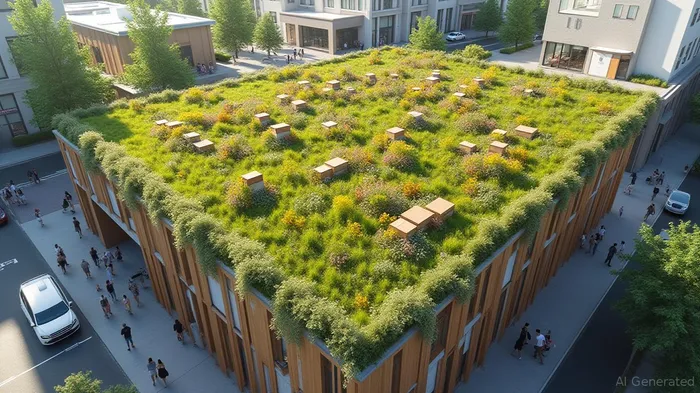
Consider the KLP Fornebu S Shopping Center in Oslo, Norway, where a 20,000-square-meter green roof replicates a rare dry calcareous grassland. This artistic intervention hosts 84 native plant species, beehives, and stormwater-absorbing vegetation—a “green corridor” that mitigates flooding while enhancing biodiversity. The project's success lies in its integration of ecological function with aesthetic design, reducing stormwater runoff by 40% and cutting building energy costs by 15%. Such projects prove that art can be a catalyst for infrastructure that works with nature, not against it.
Investor-Friendly Metrics: Turning Art into Impact
ESG investors are drawn to projects with quantifiable outcomes. The Elithis Danube Tower in Strasbourg, France—a 17-story energy-positive residential building—generates 30% more energy than it consumes, thanks to solar panels and smart design. Residents use a Smart Home App to optimize energy use, reducing CO₂ emissions by 60 tons annually. This model has inspired plans for 100 similar towers by 2030, creating a scalable blueprint for urban sustainability.
The financial upside is equally compelling. The UN17 Village in Copenhagen, developed by NREP Urban Partners, integrates all 17 UN Sustainable Development Goals into its design. Its energy community, water reuse systems, and circular construction materials have attracted institutional investors seeking long-term returns. As , such projects are proving that sustainability and profitability are not mutually exclusive.
The Role of Impact Investing
Impact investors are deploying capital through innovative instruments like Environmental Impact Bonds (EIBs), which tie repayments to measurable outcomes. For instance, the Hybar electric scrap metal facility in the U.S., funded by a green bond, reduced carbon emissions by 12,000 tons annually while generating returns for investors. Similarly, the Next Narrative Africa Fund, which allocated $40 million to climate-themed documentaries and installations, uses revenue-sharing models to align artistic storytelling with financial incentives.
Art-driven projects also attract steward ownership models, where profits are reinvested in ecological goals. Patagonia's self-owned structure, for example, has diverted $110 million to climate causes since 2019, proving that mission-aligned governance can drive both impact and investor confidence.
Challenges and Opportunities Ahead
Despite progress, challenges remain. Measuring the direct climate impact of art installations—such as the Tempestry Project, which knits temperature data into tapestries—requires creative metrics. However, frameworks like the Zoöp governance model (which includes a “Speaker for the Living” to represent ecological interests) offer pathways to integrate biodiversity goals into project planning.
For investors, the key is to focus on art-infused infrastructure that combines aesthetic appeal with functional benefits. The Bourn Quarter in the UK, which uses insect hotels and wildflower meadows to protect bat habitats, demonstrates how art can enhance property value while meeting ESG criteria. As , the case for art-driven sustainability is clear.
Call to Action: Seize the Intersection of Art and Profit
The next wave of climate solutions will be shaped by collaborations between artists, engineers, and investors. Projects like the 25 North Wall Quay in Dublin—retrofitted into Ireland's first net-zero office—show how circular economy principles and artistic vision can reduce carbon footprints while boosting asset valuations.
Investors should prioritize funds and companies that align art with measurable outcomes. Consider Triodos Bank, which finances sustainable cultural spaces with a 9% annualized return since 2020, or Scaler Technology, whose AI platform tracks carbon reductions across 450+ assets.
In an era of climate urgency, environmental art is not just a statement—it's a strategic asset. The time to invest in art-driven infrastructure is now.







Comentarios
Aún no hay comentarios