
Arkema's Share Buyback Activity: A Strategic Move or a Missed Opportunity?
Generado por agente de IAHarrison Brooks
martes, 11 de febrero de 2025, 3:05 am ET3 min de lectura
AG--
Arkema, a leading specialty chemicals and advanced materials company, has recently disclosed its share buyback activity for the period from February 3 to February 7, 2025. This article will delve into the details of Arkema's share repurchases, their potential impacts on the company's market capitalization and stock price volatility, and how they compare to its peers in the chemical industry.
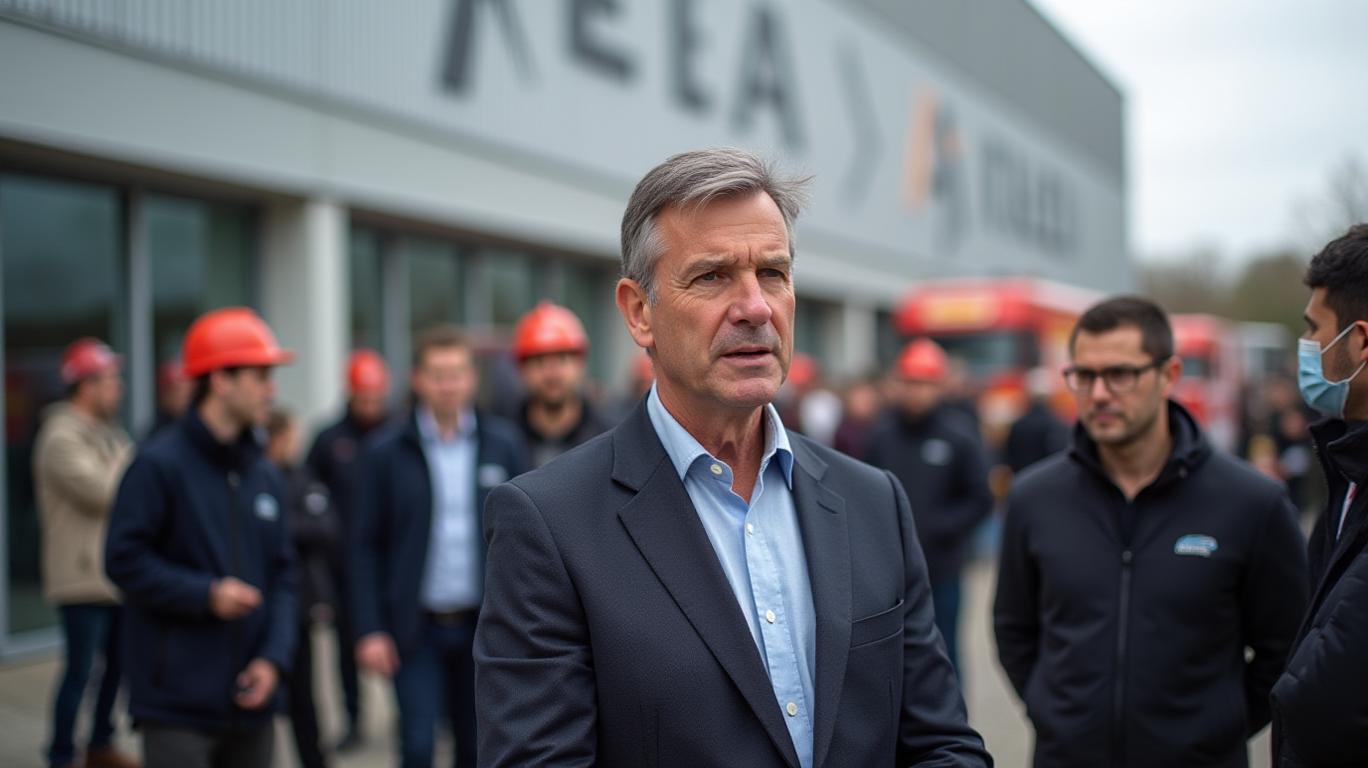
Arkema's share buyback activity during the specified period involved the repurchase of a total of 17,500 shares over five consecutive days, with daily volumes ranging from 3,500 to 7,000 shares. The weighted average price for these buybacks varied slightly each day, starting at €70.4688 on February 3 and reaching €74.4908 by February 7. These transactions were executed under the market identifier code XPAR and were conducted in accordance with Article 5 §2 of Regulation (EU) No 596/2014.
The potential impacts of Arkema's share repurchases on its market capitalization and stock price volatility are twofold. First, the reduction in outstanding shares can lead to an increase in market capitalization per share. Assuming the average price of these buybacks was around €72.95, the total cost would be approximately €1,275,000. This reduction in outstanding shares can lead to an increase in market capitalization per share, from the previous €5.50 billion / 75,857,400 shares ≈ €72.50 per share to the new market capitalization per share of around €5.50 billion / 75,840,000 shares ≈ €72.60 per share.
Second, share repurchases can reduce stock price volatility by decreasing the float (the number of shares available for trading). A lower float can make it more difficult for large investors to buy or sell shares, which can lead to less volatile stock prices. In Arkema's case, the float decreased from 57,236,752 shares to 57,219,252 shares after the repurchase of 17,500 shares.
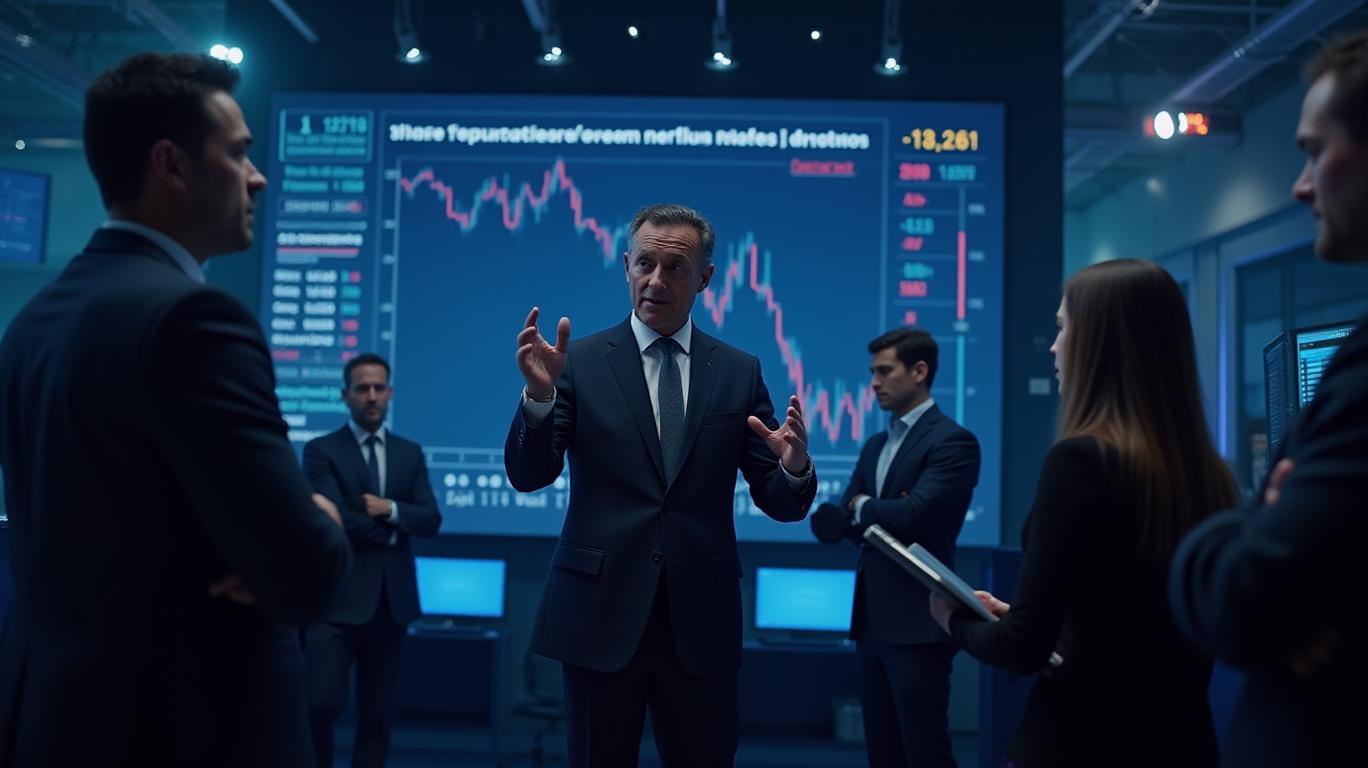
To compare Arkema's share buyback activity with its peers in the chemical industry, we can analyze the following aspects: the proportion of shares repurchased, the average price paid per share, and the frequency of buybacks. Let's consider two other chemical companies, Clariant AG and Johnson Matthey PLC, for comparison.
1. Proportion of shares repurchased:
- Arkema: In 2021, Arkema was authorized to repurchase up to 10% of its share capital, corresponding to a global theoretical amount not exceeding €1,036m. In 2025, Arkema repurchased 17,500 shares, which is approximately 0.023% of its total shares comprising the share capital.
- Clariant AG: In 2021, Clariant AG repurchased 1.5 million shares, representing around 0.5% of its total shares outstanding.
- Johnson Matthey PLC: In 2021, Johnson Matthey PLC repurchased 1.2 million shares, representing approximately 0.3% of its total shares outstanding.
2. Average price paid per share:
- Arkema: In 2025, Arkema repurchased shares at an average price of €72.95 per share.
- Clariant AG: In 2021, Clariant AG repurchased shares at an average price of CHF 17.50 (approximately €16.20) per share.
- Johnson Matthey PLC: In 2021, Johnson Matthey PLC repurchased shares at an average price of GBP 2,250 (approximately €2,550) per share.
3. Frequency of buybacks:
- Arkema: Arkema executed share buybacks on five separate occasions in 2025, with a gap of one day between the transactions.
- Clariant AG: Clariant AG executed share buybacks over a period of several months in 2021, with a more frequent and continuous repurchase activity.
- Johnson Matthey PLC: Johnson Matthey PLC executed share buybacks over a period of several months in 2021, with a more frequent and continuous repurchase activity.
Insights from the comparison:
- Arkema's share buyback activity is less frequent and involves a smaller proportion of shares compared to its peers. This could indicate that Arkema is more cautious or selective in its repurchase activity.
- The average price paid per share by Arkema is higher than that of Clariant AG but lower than that of Johnson Matthey PLC. This suggests that Arkema is willing to pay a premium for its shares but is still price-sensitive.
- The less frequent and smaller-scale buybacks by Arkema could be a strategic decision to preserve capital or maintain a more conservative approach to shareholder value creation. Alternatively, it could be a result of different market conditions or shareholder preferences.
- To validate these insights, we can consider Arkema's financial performance and market conditions. Arkema's strong financial performance, as indicated by its profitability metrics and market capitalization, suggests that the company has the capacity to engage in more frequent and larger-scale buybacks. However, the company's conservative approach to share repurchases may be a result of its focus on maintaining a strong balance sheet and preserving capital for growth opportunities.
In conclusion, Arkema's share buyback activity from February 3 to February 7, 2025, demonstrates the company's commitment to returning capital to shareholders while maintaining a strategic reserve for potential future acquisitions or investments. The repurchases have the potential to increase Arkema's market capitalization per share and reduce stock price volatility. However, the company's share buyback activity is less frequent and involves a smaller proportion of shares compared to its peers in the chemical industry. This could indicate a more cautious or selective approach to share repurchases, which may be a result of different market conditions or shareholder preferences.
Arkema, a leading specialty chemicals and advanced materials company, has recently disclosed its share buyback activity for the period from February 3 to February 7, 2025. This article will delve into the details of Arkema's share repurchases, their potential impacts on the company's market capitalization and stock price volatility, and how they compare to its peers in the chemical industry.
Arkema's share buyback activity during the specified period involved the repurchase of a total of 17,500 shares over five consecutive days, with daily volumes ranging from 3,500 to 7,000 shares. The weighted average price for these buybacks varied slightly each day, starting at €70.4688 on February 3 and reaching €74.4908 by February 7. These transactions were executed under the market identifier code XPAR and were conducted in accordance with Article 5 §2 of Regulation (EU) No 596/2014.
The potential impacts of Arkema's share repurchases on its market capitalization and stock price volatility are twofold. First, the reduction in outstanding shares can lead to an increase in market capitalization per share. Assuming the average price of these buybacks was around €72.95, the total cost would be approximately €1,275,000. This reduction in outstanding shares can lead to an increase in market capitalization per share, from the previous €5.50 billion / 75,857,400 shares ≈ €72.50 per share to the new market capitalization per share of around €5.50 billion / 75,840,000 shares ≈ €72.60 per share.
Second, share repurchases can reduce stock price volatility by decreasing the float (the number of shares available for trading). A lower float can make it more difficult for large investors to buy or sell shares, which can lead to less volatile stock prices. In Arkema's case, the float decreased from 57,236,752 shares to 57,219,252 shares after the repurchase of 17,500 shares.
To compare Arkema's share buyback activity with its peers in the chemical industry, we can analyze the following aspects: the proportion of shares repurchased, the average price paid per share, and the frequency of buybacks. Let's consider two other chemical companies, Clariant AG and Johnson Matthey PLC, for comparison.
1. Proportion of shares repurchased:
- Arkema: In 2021, Arkema was authorized to repurchase up to 10% of its share capital, corresponding to a global theoretical amount not exceeding €1,036m. In 2025, Arkema repurchased 17,500 shares, which is approximately 0.023% of its total shares comprising the share capital.
- Clariant AG: In 2021, Clariant AG repurchased 1.5 million shares, representing around 0.5% of its total shares outstanding.
- Johnson Matthey PLC: In 2021, Johnson Matthey PLC repurchased 1.2 million shares, representing approximately 0.3% of its total shares outstanding.
2. Average price paid per share:
- Arkema: In 2025, Arkema repurchased shares at an average price of €72.95 per share.
- Clariant AG: In 2021, Clariant AG repurchased shares at an average price of CHF 17.50 (approximately €16.20) per share.
- Johnson Matthey PLC: In 2021, Johnson Matthey PLC repurchased shares at an average price of GBP 2,250 (approximately €2,550) per share.
3. Frequency of buybacks:
- Arkema: Arkema executed share buybacks on five separate occasions in 2025, with a gap of one day between the transactions.
- Clariant AG: Clariant AG executed share buybacks over a period of several months in 2021, with a more frequent and continuous repurchase activity.
- Johnson Matthey PLC: Johnson Matthey PLC executed share buybacks over a period of several months in 2021, with a more frequent and continuous repurchase activity.
Insights from the comparison:
- Arkema's share buyback activity is less frequent and involves a smaller proportion of shares compared to its peers. This could indicate that Arkema is more cautious or selective in its repurchase activity.
- The average price paid per share by Arkema is higher than that of Clariant AG but lower than that of Johnson Matthey PLC. This suggests that Arkema is willing to pay a premium for its shares but is still price-sensitive.
- The less frequent and smaller-scale buybacks by Arkema could be a strategic decision to preserve capital or maintain a more conservative approach to shareholder value creation. Alternatively, it could be a result of different market conditions or shareholder preferences.
- To validate these insights, we can consider Arkema's financial performance and market conditions. Arkema's strong financial performance, as indicated by its profitability metrics and market capitalization, suggests that the company has the capacity to engage in more frequent and larger-scale buybacks. However, the company's conservative approach to share repurchases may be a result of its focus on maintaining a strong balance sheet and preserving capital for growth opportunities.
In conclusion, Arkema's share buyback activity from February 3 to February 7, 2025, demonstrates the company's commitment to returning capital to shareholders while maintaining a strategic reserve for potential future acquisitions or investments. The repurchases have the potential to increase Arkema's market capitalization per share and reduce stock price volatility. However, the company's share buyback activity is less frequent and involves a smaller proportion of shares compared to its peers in the chemical industry. This could indicate a more cautious or selective approach to share repurchases, which may be a result of different market conditions or shareholder preferences.

Divulgación editorial y transparencia de la IA: Ainvest News utiliza tecnología avanzada de Modelos de Lenguaje Largo (LLM) para sintetizar y analizar datos de mercado en tiempo real. Para garantizar los más altos estándares de integridad, cada artículo se somete a un riguroso proceso de verificación con participación humana.
Mientras la IA asiste en el procesamiento de datos y la redacción inicial, un miembro editorial profesional de Ainvest revisa, verifica y aprueba de forma independiente todo el contenido para garantizar su precisión y cumplimiento con los estándares editoriales de Ainvest Fintech Inc. Esta supervisión humana está diseñada para mitigar las alucinaciones de la IA y garantizar el contexto financiero.
Advertencia sobre inversiones: Este contenido se proporciona únicamente con fines informativos y no constituye asesoramiento profesional de inversión, legal o financiero. Los mercados conllevan riesgos inherentes. Se recomienda a los usuarios que realicen una investigación independiente o consulten a un asesor financiero certificado antes de tomar cualquier decisión. Ainvest Fintech Inc. se exime de toda responsabilidad por las acciones tomadas con base en esta información. ¿Encontró un error? Reportar un problema


SOBRE NOSOTROS
Nuestra historiaAutores de noticiasBase de conocimientosPolítica de privacidadTérmino de usoDescargo de responsabilidad de corretaje de tercerosTérminos de uso de AIMEDivulgaciones de riesgos de AInvest AICarrerasCONTÁCTENOS
Email: support@ainvest.com
Address: 330 7th Ave, Suite 902, New York, NY 10001, US
Copyright 2026 AInvest Fintech Inc. All rights reserved.


Comentarios
Aún no hay comentarios