
Arizona Governor Vetoes Crypto Fund Bill Citing Budget Concerns
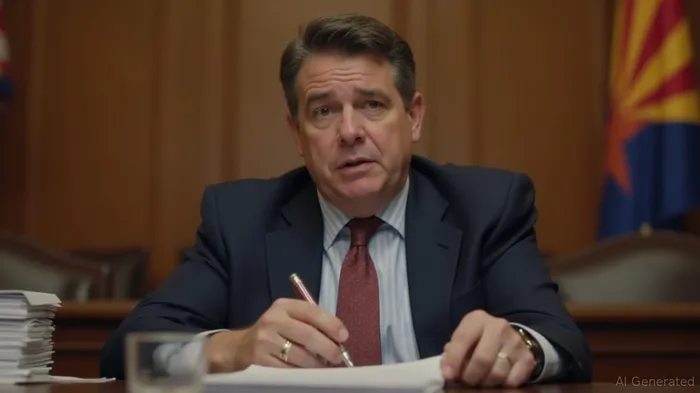
Arizona Governor Katie Hobbs has vetoed a legislative proposal aimed at establishing a fund for digital assets, financed by confiscated cryptocurrencies. House Bill 2324 sought to allocate $300,000 to the Attorney General’s office, with the remaining funds split between the Attorney General, the state’s general budget, and a new digital assetDAAQ-- fund. Despite passing the House, the bill is unlikely to overcome the governor’s veto.
Governor Hobbs’s decision was driven by concerns over local law enforcement budgets. She argued that transferring funds away from these agencies could hinder their ability to participate in cryptocurrency investigations. Hobbs has previously expressed her view that cryptocurrencies represent a speculative investment, referencing her earlier veto of a bill that would have allowed the state to allocate cash reserves to BitcoinBTC-- investments.
The cryptocurrency community has responded with mixed feelings to the governor’s decision. Some caution that involving local authorities in financial distribution could complicate the state’s economic landscape. Others, like Frank Corva, question whether incentivizing law enforcement through funds serves the public interest effectively. This reflects a split in perspectives over how cryptocurrency assets should be managed by states.
Earlier in May, Hobbs vetoed another bill that proposed creating a separate reserve from seized digital currencies but approved regulation for cryptocurrencies held in the state treasury. Her cautious attitude highlights a preference for steering clear of unproven financial paths while remaining open to regulated digital asset management.
Meanwhile, other states are taking different approaches. Texas is planning a Bitcoin reserve, and New Hampshire is allowing cryptocurrency investments. These contrasting policies underscore the disparity in how states across the U.S. are handling the crypto phenomenon. Hobbs’s actions have cast doubt on future legislative efforts concerning digital assets in Arizona.
Concrete conclusions from the events include: Katie Hobbs emphasizes local budget maintenance by vetoing the crypto fund. State-level crypto policies are divided, reflecting national inconsistencies. Cryptocurrency market uncertainty affects legislative decisions in Arizona and beyond. The proposal’s rejection signifies a setback for those advocating for state-managed crypto reserves.
The ongoing debate over the governor’s decision underscores a broader uncertainty and division in public policy regarding cryptocurrencies. It reflects the difficulty in balancing innovation with financial prudence as states decide how to proceed with digital assets.






Comentarios
Aún no hay comentarios