
Argentina's Currency Crisis and the Hedging Imperative for International Investors
Argentina's Currency Crisis and the Hedging Imperative for International Investors
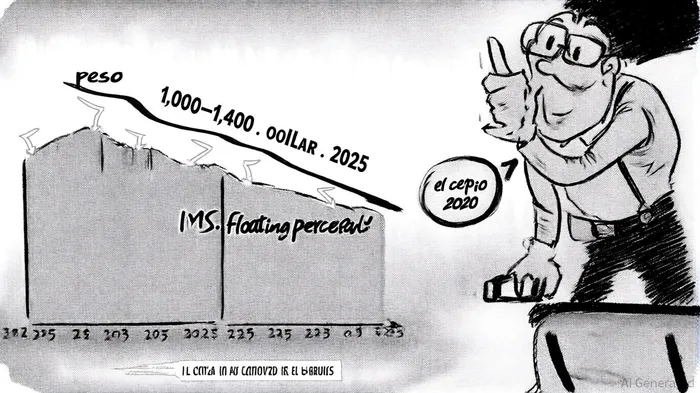
Argentina's currency crisis has deepened in 2025, with the peso having lost 99% of its value over the past decade and inflation settling at 39% annually-a sharp decline from the 292% peak in 2024 but still among the highest in the world, according to a Stillman Exchange analysis. President Javier Milei's radical reforms, including the removal of strict capital controls known as "el cepo," have introduced both opportunities and risks for international investors. While these measures aim to stabilize the currency and restore investor confidence, they have also triggered significant capital outflows and heightened demand for hard currency. For investors navigating this volatile landscape, understanding the interplay between Argentina's economic policies and hedging strategies is critical.
The Twin Deficits and Capital Flight
Argentina's first-quarter 2025 capital and financial account deficit reached -7,175.51 million USD, reflecting persistent outflows driven by political uncertainty, external debt obligations, and the overvalued peso, according to a PIIE blog post. The government's decision to liberalize the capital account-a dramatic shift from decades of controls-has accelerated this trend. While the central bank's $36.8 billion in reserves (the highest in two years) has enabled the removal of many restrictions, the peso remains vulnerable to speculative attacks, the PIIE analysis notes.
The U.S. Treasury has signaled support through potential currency swap lines and dollar purchases, aiming to stabilize the peso and prevent a collapse in investor confidence, the PIIE blog warns. However, these interventions come with risks. A 40% drop in Argentina's stock market since early 2025 underscores the fragility of investor sentiment, while the overvalued exchange rate continues to hurt export competitiveness, threatening thousands of small and medium enterprises, according to a Mero Tribune article.
Hard Currency Demand and Hedging Strategies
For international investors, Argentina's crisis has intensified demand for hard currency-particularly the U.S. dollar-as a hedge against inflation and devaluation. Yet, this demand is not without cost. Traditional hedging instruments offer varying degrees of protection, but their effectiveness depends on market conditions and risk tolerance.
- Forward Contracts: These allow investors to lock in exchange rates for future transactions, providing certainty in budgeting. However, their rigidity can be a drawback in a market where exchange rates fluctuate rapidly, as noted by Allianz Global Investors.
- Put Options: Offering protection against downward currency movements while allowing gains from favorable shifts, put options are ideal for volatile environments like Argentina's. The downside is high premium costs, which can erode returns if the peso stabilizes.
- Collar Strategies: Combining put and call options, collars limit downside risk while capping potential gains. By using the premium from sold call options to offset put option costs, investors can hedge more economically, though this approach requires careful calibration.
A balanced approach-using collars for long-term investments and forward contracts for short-term needs-may offer the best risk-return profile in Argentina's current climate, the PIIE piece suggests.
Political and Regulatory Risks
Despite Milei's free-market reforms, Argentina's economic trajectory remains uncertain. Political backlash against austerity measures and the potential for regulatory reversals could destabilize markets further, according to an Invezz explainer. Investors must also contend with the legacy of Argentina's history of defaults and currency controls, which have repeatedly disrupted capital flows, as the Mero Tribune article details.
Conclusion
Argentina's currency crisis presents a paradox: while structural reforms and external financing offer hope for stabilization, the immediate risks of capital flight and political volatility remain acute. For international investors, the key lies in hedging strategies that balance flexibility and cost. As the peso floats within a 1,000–1,400 range against the dollar, those who navigate this crisis with disciplined risk management may find opportunities amid the chaos.







Comentarios
Aún no hay comentarios