
Arabica Coffee Price Momentum: A Perfect Storm of Supply Constraints and Geopolitical Tensions
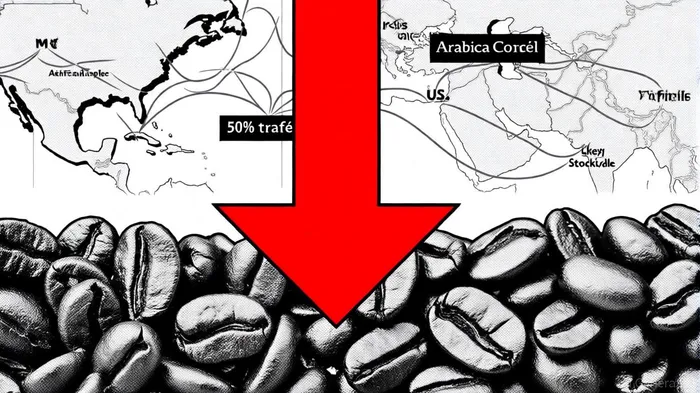
The Arabica coffee market is experiencing a surge in price momentum driven by a confluence of factors that have pushed global supply dynamics to a critical inflection point. As exchange-certified stockpiles hit 20-year lows, the interplay of geopolitical tensions, production bottlenecks, and shifting trade patterns is creating a volatile environment for investors. This analysis unpacks the forces at play and their implications for the coffee commodity complex.
Tightening Supplies: A Structural Crisis
According to a report by Bloomberg[1], Arabica coffee exchange stockpiles are at their lowest levels since May 2024, with global inventories also reaching multi-decade lows[3]. This scarcity is not a temporary blip but part of a broader trend: coffee stockpiles have been in a sustained decline for four years, driven by resilient demand and supply-side disruptions[3]. The U.S. Department of Agriculture (USDA) projects a record global output of 178.7 million bags for the 2025–26 season[1], but this forecast may arrive too late to alleviate current pressures.
The immediate bottleneck lies in Brazil, the world's largest Arabica producer. Brazilian producers are strategically withholding volumes from futures exchanges, exacerbating liquidity constraints[2]. This behavior reflects a combination of speculative positioning and a lack of confidence in near-term price stability, further tightening the already fragile supply chain.
Trade Tensions: The 50% Tariff Shockwave
The most disruptive factor in the current landscape is the U.S. imposition of 50% tariffs on Brazilian coffee imports, which took effect on August 6, 2025[1]. As stated by Coffee Intelligence[1], Brazil exports 16.7% of its coffee to the U.S., a market now grappling with steep price penalties. U.S. roasters are delaying orders and renegotiating contracts, relying on existing stockpiles to meet short-term demand[2]. This uncertainty has created a ripple effect, with delayed shipments and increased costs straining global supply chains[3].
The tariffs are reshaping trade patterns in real time. Brazilian exporters are pivoting toward Europe and Asia, while U.S. importers are diversifying their sourcing to Colombia, Vietnam, and Ethiopia[1]. This shift is likely to increase global coffee prices, as both Brazil and the U.S. face higher transaction costs and logistical complexities. The geopolitical implications are equally profound: Brazil's growing alignment with China and other non-Western economies may further complicate U.S. trade strategies[1].
Market Implications: A New Equilibrium?
The combination of low stockpiles and trade disruptions has created a self-reinforcing cycle of price volatility. As noted by UBS[3], coffee prices have surged to multi-year highs, driven by a "perfect storm" of supply constraints and demand resilience. The U.S. trade surplus with Brazil—$7.4 billion in 2024—adds another layer of complexity, as the tariffs target an unusual case of a trade surplus rather than a deficit[1]. This anomaly underscores the political motivations behind the policy, which may have less to do with economic balance and more to do with broader strategic goals.
For investors, the key question is whether these dynamics represent a temporary shock or a structural shift. The USDA's projection of record output for 2025–26 offers a glimmer of hope[1], but extreme weather conditions and ongoing tariff barriers could delay relief. Meanwhile, technological solutions are being deployed to enhance supply chain visibility, though these tools are more of a bandage than a cure[3].
Investment Considerations
The current environment presents both risks and opportunities for investors. On the risk side, prolonged supply constraints could lead to further price spikes, particularly if Brazil's export diversification efforts face logistical hurdles. Additionally, the U.S. market's reliance on existing stockpiles may not be sustainable, creating a potential "reality check" if inventories deplete faster than expected.
On the opportunity side, the crisis has accelerated innovation in the coffee sector. Producers are exploring value-added products, such as certified and differentiated coffee, to mitigate price sensitivity[1]. This trend could lead to long-term structural changes in how coffee is traded and consumed. Investors might also consider hedging strategies to capitalize on the volatility, given the market's heightened sensitivity to geopolitical and weather-related shocks.
Conclusion
The Arabica coffee market is at a crossroads, with tightening supply dynamics and geopolitical tensions creating a high-stakes environment for producers, traders, and investors alike. While the USDA's output forecast offers a potential lifeline, the immediate outlook remains fraught with uncertainty. For investors, the path forward requires a nuanced understanding of both the structural challenges and the adaptive strategies emerging in response. As the world sips its morning coffee, the brewing storm in global markets demands vigilance and agility.







Comentarios
Aún no hay comentarios