
Why the April CPI Report Undermines Near-Term Fed Rate Cut Bets and What Investors Should Do Now
The April 2025 Consumer Price Index (CPI) report delivered a stark message: inflation’s decline remains fragile, and the Federal Reserve (Fed) is unlikely to cut rates anytime soon—despite markets pricing in a September easing. With the annual CPI now at 2.3% (the lowest since early 2021) and core inflation at 2.8%, the data underscores a Fed that will prioritize price stability over premature rate cuts. Investors betting on near-term easing face a high-risk gamble, while those shifting to defensive equities and trimming exposure to rate-sensitive sectors can position themselves for the next phase of monetary policy uncertainty.
Breaking Down the CPI: Why the Fed Won’t Budge
The April CPI report revealed two critical truths: shelter costs are sticky, and underlying inflation risks persist.
Shelter inflation, which accounts for 32% of the CPI basket, rose 0.3% month-on-month in April, pushing its annual rate to 4.0%—the highest component of core inflation. Even as energy prices fell 3.7% annually (due to collapsing gasoline costs), shelter’s persistence ensures the Fed sees no “free lunch” for easing.
Meanwhile, core inflation (excluding food and energy) remains stubbornly elevated at 2.8% YoY, with services like medical care (+3.1%) and education (+3.8%) fueling the trend. The Fed’s 2% target is still distant enough to justify patience.
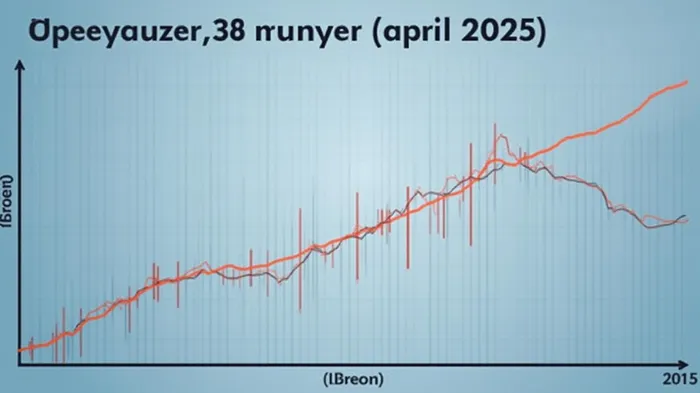
Why the Fed Won’t Cut Rates—Yet
- Inflation’s Fragility: The 2.3% CPI print masks risks. While energy and food at home (groceries) declined, tariff-related supply chain disruptions or a rebound in shelter costs could reignite upward pressure. The Fed knows this and will wait for sustained sub-2% core inflation before acting.
- Labor Market Resilience: Unemployment remains near 3.4%, with wage growth (though slowing) still above pre-pandemic trends. A tight labor market means inflation risks aren’t fully defused.
- Market Overreach: Futures markets price in a 68% probability of a September rate cut, but the Fed’s track record of over-telegraphing moves suggests they’ll avoid easing until 2026 unless inflation accelerates sharply downward.
Trade Uncertainty: The Wildcard
The CPI report’s “good news” (lower inflation) is tempered by trade-related risks. Persistent tariffs on Chinese imports, semiconductor shortages, and geopolitical tensions could disrupt supply chains, pushing prices higher. Investors ignoring these risks are ignoring a key Fed concern: external shocks to inflation.
Market Mispricing: The September Rate Cut Bet is Overdue
Markets are mispricing two critical factors:
1. Shelter’s Lagged Effects: Rents and housing costs often trail broader economic trends by 12–18 months. The Fed won’t assume shelter inflation will collapse just because CPI is cooling.
2. Policy Credibility: The Fed’s 2023 rate hikes were designed to crush inflation expectations. Easing prematurely now risks eroding that credibility.
Investment Strategy: Shift to Defensives, Trim Cyclicals
The April CPI report isn’t a green light for risk assets—it’s a warning to rebalance portfolios for a prolonged period of Fed patience. Here’s how to act:
1. Prioritize Defensive Sectors:
- Utilities (e.g., NextEra EnergyNEE-- (NEE), Dominion Energy (D)) and healthcare (e.g., Johnson & Johnson (JNJ), UnitedHealth (UNH)) offer stability in a low-growth environment.
- Consumer Staples (Procter & Gamble (PG), Coca-Cola (KO)) are recession-resistant.
2. Reduce Exposure to Rate-Sensitive Cyclicals:
- Tech (e.g., Microsoft (MSFT), NVIDIA (NVDA)) and industrials (Boeing (BA), Caterpillar (CAT)) are vulnerable to Fed caution. Their valuations assume lower rates sooner, which the CPI data undermines.
- Real Estate (REITs like Simon Property Group (SPG)) face headwinds as high borrowing costs linger.
3. Monitor Trade Deal Durability:
- Consumer Discretionary stocks (Amazon (AMZN), Home Depot (HD)) are exposed to trade policy shifts. Avoid overexposure until trade tensions ease.
Conclusion: Act Now—Inflation’s Decline is No Free Pass
The April CPI report is a call to reassess portfolios for a Fed that won’t cut rates until inflation is truly “in the rearview mirror.” Investors clinging to September rate cut bets are gambling with their capital. Instead, pivot to defensive equities, trim rate-sensitive exposures, and stay vigilant on trade risks. The Fed’s patience is your opportunity to build resilience—don’t let complacency cost you.







Comentarios
Aún no hay comentarios