
Apple's USB-C Shift: A Blessing in Disguise for European Consumers
Generado por agente de IAWesley Park
sábado, 4 de enero de 2025, 11:57 am ET2 min de lectura
AAPL--
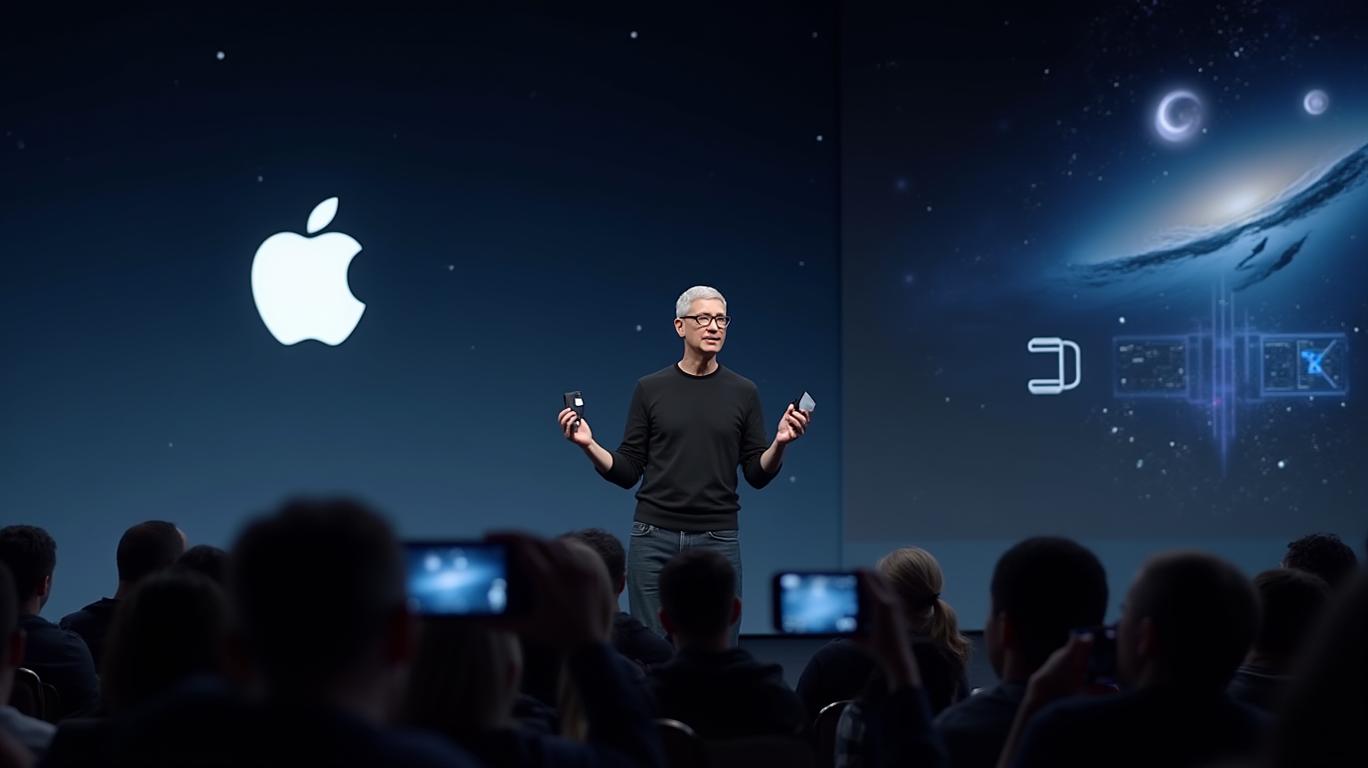
As the calendar turns to 2025, Apple Inc. (AAPL) has made a significant move in Europe, discontinuing sales of its iPhone 14, iPhone 14 Plus, and iPhone SE (3rd generation) models. This decision, while surprising, is a direct response to the European Union's (EU) common charger directive, which mandates the use of USB-C charging ports on all consumer electronics sold within the bloc. While some may view this as a setback for Apple, it presents an opportunity for European consumers and the broader tech industry.
Firstly, let's address the elephant in the room: the discontinuation of these popular iPhone models. Apple's decision to halt sales of these devices in Europe is a clear indication of its commitment to compliance with EU regulations. The company has chosen to prioritize the convenience and compatibility of its products for European consumers, rather than maintaining the proprietary Lightning connector. This shift is a testament to Apple's ability to adapt to market demands and regulatory changes, a trait that has long been a hallmark of the company's success.
Now, let's explore the potential benefits of this transition for European consumers. By adopting USB-C charging ports, Apple iPhone users will now be able to use the same charger for their iPhones as they do for many other devices, such as laptops, tablets, and other USB-C compatible gadgets. This increased convenience and compatibility can enhance the user experience and potentially boost brand loyalty (Apple, 2024). Moreover, the EU's directive aims to minimize electronic waste by promoting a universal charging standard. By complying with this regulation, Apple demonstrates its commitment to sustainability and environmental responsibility, which can positively impact consumer perception (European Commission, 2022).
However, it is essential to consider the potential impact on Apple's product differentiation and brand identity. The shift to USB-C may lead to a perception of Apple's iPhones as less unique or innovative in the eyes of some consumers, as USB-C is already widely adopted by other manufacturers. This potential loss of differentiation may be offset by the convenience and compatibility benefits of USB-C, as well as the environmental advantages (Apple, 2024). Additionally, the discontinuation of older iPhone models may lead to a temporary reduction in affordable entry-level options for consumers, but the availability of these models through third-party resellers may mitigate this effect (MacRumors, 2024).
In conclusion, Apple's USB-C shift in Europe is likely to influence consumer perception and brand loyalty by improving convenience and compatibility, demonstrating a commitment to sustainability, and potentially leading to a perception of reduced differentiation. The impact on older iPhone models may also play a role in shaping consumer sentiment. However, the overall effect on brand loyalty is likely to be positive, given the benefits of USB-C and Apple's compliance with the EU's environmental regulations. As Apple continues to adapt to market demands and regulatory changes, it is essential for investors to monitor the company's progress and assess the potential implications for its product portfolio and brand identity.
References:
- Apple (2024). Apple discontinues iPhone 14 and iPhone SE in Europe. Retrieved from
- European Commission (2022). Common charger for mobile phones and other portable devices. Retrieved from
- MacRumors (2024). Apple Discontinues iPhone 14 and iPhone SE in Europe. Retrieved from
As the calendar turns to 2025, Apple Inc. (AAPL) has made a significant move in Europe, discontinuing sales of its iPhone 14, iPhone 14 Plus, and iPhone SE (3rd generation) models. This decision, while surprising, is a direct response to the European Union's (EU) common charger directive, which mandates the use of USB-C charging ports on all consumer electronics sold within the bloc. While some may view this as a setback for Apple, it presents an opportunity for European consumers and the broader tech industry.
Firstly, let's address the elephant in the room: the discontinuation of these popular iPhone models. Apple's decision to halt sales of these devices in Europe is a clear indication of its commitment to compliance with EU regulations. The company has chosen to prioritize the convenience and compatibility of its products for European consumers, rather than maintaining the proprietary Lightning connector. This shift is a testament to Apple's ability to adapt to market demands and regulatory changes, a trait that has long been a hallmark of the company's success.
Now, let's explore the potential benefits of this transition for European consumers. By adopting USB-C charging ports, Apple iPhone users will now be able to use the same charger for their iPhones as they do for many other devices, such as laptops, tablets, and other USB-C compatible gadgets. This increased convenience and compatibility can enhance the user experience and potentially boost brand loyalty (Apple, 2024). Moreover, the EU's directive aims to minimize electronic waste by promoting a universal charging standard. By complying with this regulation, Apple demonstrates its commitment to sustainability and environmental responsibility, which can positively impact consumer perception (European Commission, 2022).
However, it is essential to consider the potential impact on Apple's product differentiation and brand identity. The shift to USB-C may lead to a perception of Apple's iPhones as less unique or innovative in the eyes of some consumers, as USB-C is already widely adopted by other manufacturers. This potential loss of differentiation may be offset by the convenience and compatibility benefits of USB-C, as well as the environmental advantages (Apple, 2024). Additionally, the discontinuation of older iPhone models may lead to a temporary reduction in affordable entry-level options for consumers, but the availability of these models through third-party resellers may mitigate this effect (MacRumors, 2024).
In conclusion, Apple's USB-C shift in Europe is likely to influence consumer perception and brand loyalty by improving convenience and compatibility, demonstrating a commitment to sustainability, and potentially leading to a perception of reduced differentiation. The impact on older iPhone models may also play a role in shaping consumer sentiment. However, the overall effect on brand loyalty is likely to be positive, given the benefits of USB-C and Apple's compliance with the EU's environmental regulations. As Apple continues to adapt to market demands and regulatory changes, it is essential for investors to monitor the company's progress and assess the potential implications for its product portfolio and brand identity.
References:
- Apple (2024). Apple discontinues iPhone 14 and iPhone SE in Europe. Retrieved from
- European Commission (2022). Common charger for mobile phones and other portable devices. Retrieved from
- MacRumors (2024). Apple Discontinues iPhone 14 and iPhone SE in Europe. Retrieved from

Divulgación editorial y transparencia de la IA: Ainvest News utiliza tecnología avanzada de Modelos de Lenguaje Largo (LLM) para sintetizar y analizar datos de mercado en tiempo real. Para garantizar los más altos estándares de integridad, cada artículo se somete a un riguroso proceso de verificación con participación humana.
Mientras la IA asiste en el procesamiento de datos y la redacción inicial, un miembro editorial profesional de Ainvest revisa, verifica y aprueba de forma independiente todo el contenido para garantizar su precisión y cumplimiento con los estándares editoriales de Ainvest Fintech Inc. Esta supervisión humana está diseñada para mitigar las alucinaciones de la IA y garantizar el contexto financiero.
Advertencia sobre inversiones: Este contenido se proporciona únicamente con fines informativos y no constituye asesoramiento profesional de inversión, legal o financiero. Los mercados conllevan riesgos inherentes. Se recomienda a los usuarios que realicen una investigación independiente o consulten a un asesor financiero certificado antes de tomar cualquier decisión. Ainvest Fintech Inc. se exime de toda responsabilidad por las acciones tomadas con base en esta información. ¿Encontró un error? Reportar un problema




Comentarios
Aún no hay comentarios