
Apple Stock Plunges Amid U.S.-China Trade Tensions
Generado por agente de IAWesley Park
miércoles, 5 de febrero de 2025, 10:28 am ET1 min de lectura
AAPL--
Apple's stock has taken a nosedive in recent days, with investors fretting over weakness in the critical Chinese market and the potential impact of U.S.-China trade tensions. The shares have fallen for five straight sessions before Monday’s bounce, marking the longest losing streak since April. They’ve been pressured by China smartphone data, which analysts said pointed to weaker iPhone shipments, and a Reuters report that Apple is offering discounts in China. The stock slipped as much as 1% in Tuesday trading, hurt by a downgrade to sell at MoffettNathanson, which cited the company’s weakening position in the Asian country along with other issues.

The Chinese market, important as both an end market and the heart of the supply chain, is vexing. Apple is not only losing market share among Chinese consumers, but also faces a potential trade war that may mean the company, “integrated into China like no other American firm, might exhaust its political capital and still not completely avoid ill effects.”
Geopolitical tensions and the tech sector
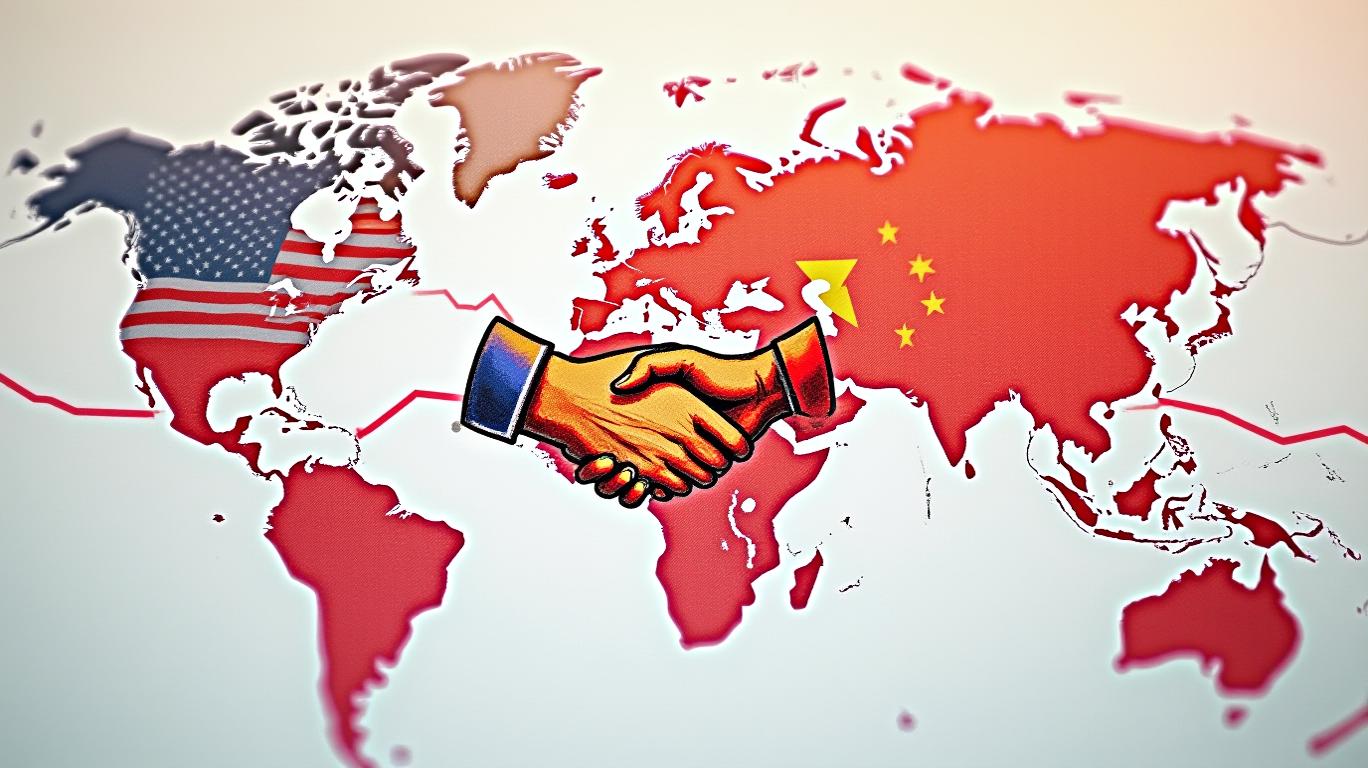
The challenges Apple is facing in China are not occurring in isolation. They’re part of a broader landscape of geopolitical tensions between the United States and China, which have increasingly spilled over into the technology sector. The ongoing “tech war” has seen the U.S. take several measures to restrict China’s access to advanced technologies, particularly in the semiconductor industry. In 2023, Washington, along with allies Japan and the Netherlands, imposed restrictions on Chinese companies like Huawei and ZTE, citing national security concerns.
Apple's response to trade tensions
Apple has been navigating these challenges by diversifying its supply chain and reducing its dependence on Chinese manufacturing. The company has been expanding its production in countries like India and Vietnam, where it produces components and smaller devices like AirPods. Additionally, Apple has been investing in domestic manufacturing in the United States, creating jobs and strengthening its supply chain resilience.
However, the company remains vulnerable to future changes in trade policies and geopolitical tensions between the United States and China. As a result, Apple continues to explore ways to further diversify its supply chain and reduce its reliance on Chinese production.
In conclusion, Apple's stock has been hit hard by U.S.-China trade tensions and concerns over its market share in China. The company has been responding to these challenges by diversifying its supply chain and reducing its dependence on Chinese manufacturing. However, Apple remains vulnerable to future changes in trade policies and geopolitical tensions. Investors should closely monitor the situation and consider the potential long-term impacts on Apple's market share and consumer loyalty in China.
ZTEN--
Apple's stock has taken a nosedive in recent days, with investors fretting over weakness in the critical Chinese market and the potential impact of U.S.-China trade tensions. The shares have fallen for five straight sessions before Monday’s bounce, marking the longest losing streak since April. They’ve been pressured by China smartphone data, which analysts said pointed to weaker iPhone shipments, and a Reuters report that Apple is offering discounts in China. The stock slipped as much as 1% in Tuesday trading, hurt by a downgrade to sell at MoffettNathanson, which cited the company’s weakening position in the Asian country along with other issues.
The Chinese market, important as both an end market and the heart of the supply chain, is vexing. Apple is not only losing market share among Chinese consumers, but also faces a potential trade war that may mean the company, “integrated into China like no other American firm, might exhaust its political capital and still not completely avoid ill effects.”
Geopolitical tensions and the tech sector
The challenges Apple is facing in China are not occurring in isolation. They’re part of a broader landscape of geopolitical tensions between the United States and China, which have increasingly spilled over into the technology sector. The ongoing “tech war” has seen the U.S. take several measures to restrict China’s access to advanced technologies, particularly in the semiconductor industry. In 2023, Washington, along with allies Japan and the Netherlands, imposed restrictions on Chinese companies like Huawei and ZTE, citing national security concerns.
Apple's response to trade tensions
Apple has been navigating these challenges by diversifying its supply chain and reducing its dependence on Chinese manufacturing. The company has been expanding its production in countries like India and Vietnam, where it produces components and smaller devices like AirPods. Additionally, Apple has been investing in domestic manufacturing in the United States, creating jobs and strengthening its supply chain resilience.
However, the company remains vulnerable to future changes in trade policies and geopolitical tensions between the United States and China. As a result, Apple continues to explore ways to further diversify its supply chain and reduce its reliance on Chinese production.
In conclusion, Apple's stock has been hit hard by U.S.-China trade tensions and concerns over its market share in China. The company has been responding to these challenges by diversifying its supply chain and reducing its dependence on Chinese manufacturing. However, Apple remains vulnerable to future changes in trade policies and geopolitical tensions. Investors should closely monitor the situation and consider the potential long-term impacts on Apple's market share and consumer loyalty in China.

Divulgación editorial y transparencia de la IA: Ainvest News utiliza tecnología avanzada de Modelos de Lenguaje Largo (LLM) para sintetizar y analizar datos de mercado en tiempo real. Para garantizar los más altos estándares de integridad, cada artículo se somete a un riguroso proceso de verificación con participación humana.
Mientras la IA asiste en el procesamiento de datos y la redacción inicial, un miembro editorial profesional de Ainvest revisa, verifica y aprueba de forma independiente todo el contenido para garantizar su precisión y cumplimiento con los estándares editoriales de Ainvest Fintech Inc. Esta supervisión humana está diseñada para mitigar las alucinaciones de la IA y garantizar el contexto financiero.
Advertencia sobre inversiones: Este contenido se proporciona únicamente con fines informativos y no constituye asesoramiento profesional de inversión, legal o financiero. Los mercados conllevan riesgos inherentes. Se recomienda a los usuarios que realicen una investigación independiente o consulten a un asesor financiero certificado antes de tomar cualquier decisión. Ainvest Fintech Inc. se exime de toda responsabilidad por las acciones tomadas con base en esta información. ¿Encontró un error? Reportar un problema




Comentarios
Aún no hay comentarios