
Apple, Smartphone Peers Lose Ground in China Amid Huawei Comeback
Generado por agente de IAWesley Park
domingo, 5 de enero de 2025, 4:34 am ET2 min de lectura
AAPL--
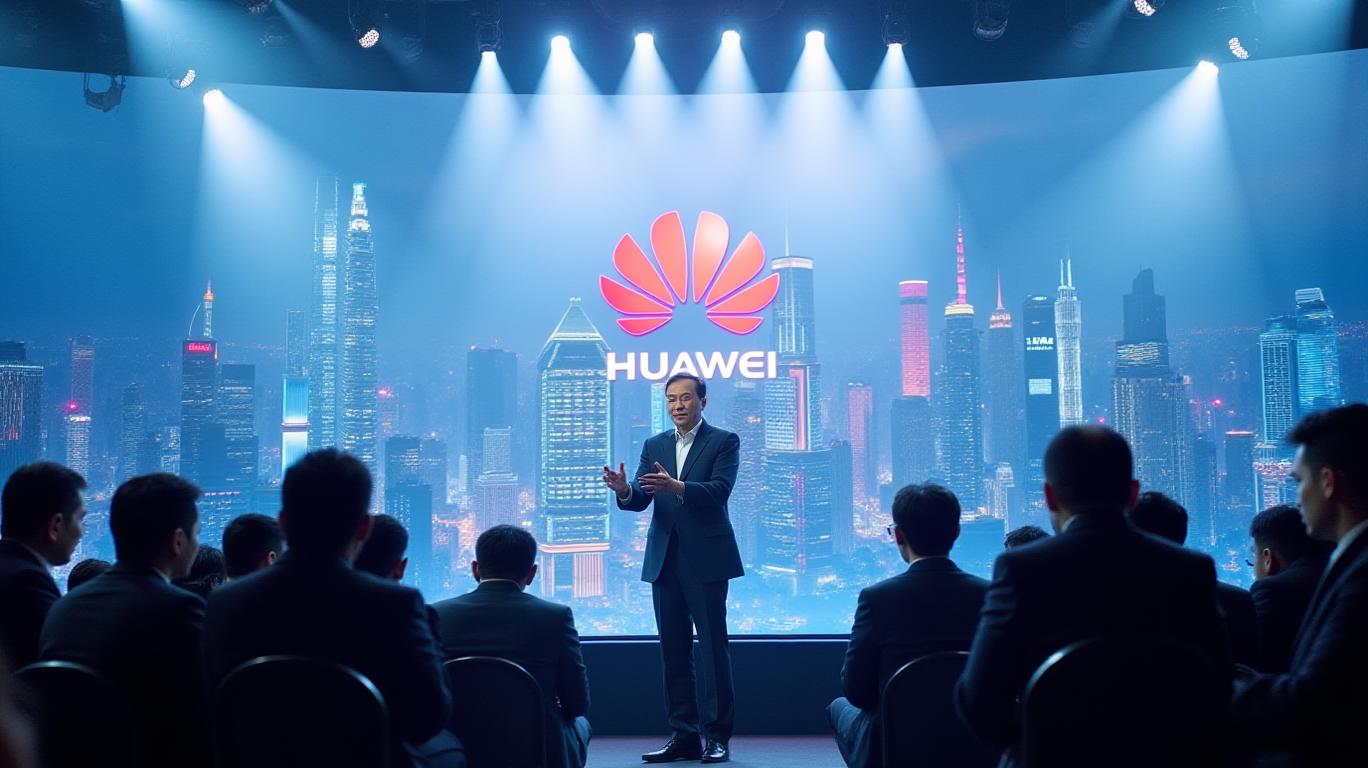
The Chinese smartphone market has been a battleground for tech giants, with Apple and its peers facing stiff competition from domestic rivals. However, the recent resurgence of Huawei has caught many off guard, as the company regains its footing in the market. In this article, we will explore the factors contributing to Huawei's comeback and the implications for Apple and other international players.
Huawei's Hongmeng OS and Kirin chips have been instrumental in differentiating its smartphones in the competitive Chinese market. The Nova 12 series, released in December, features Hongmeng 4.0 and supports two-way satellite communications, further expanding the application scope of Kirin chips and boosting performance in the mid-range price segment. Moreover, Huawei's recent upgrade of the P series to Pura 70, which incorporates breakthrough telescopic lens technology for improved imaging performance, has generated significant buzz in the market. With these strategic moves, Huawei has completed a full iteration of its mobile phone product lineup, making it stand out in the competitive Chinese market.
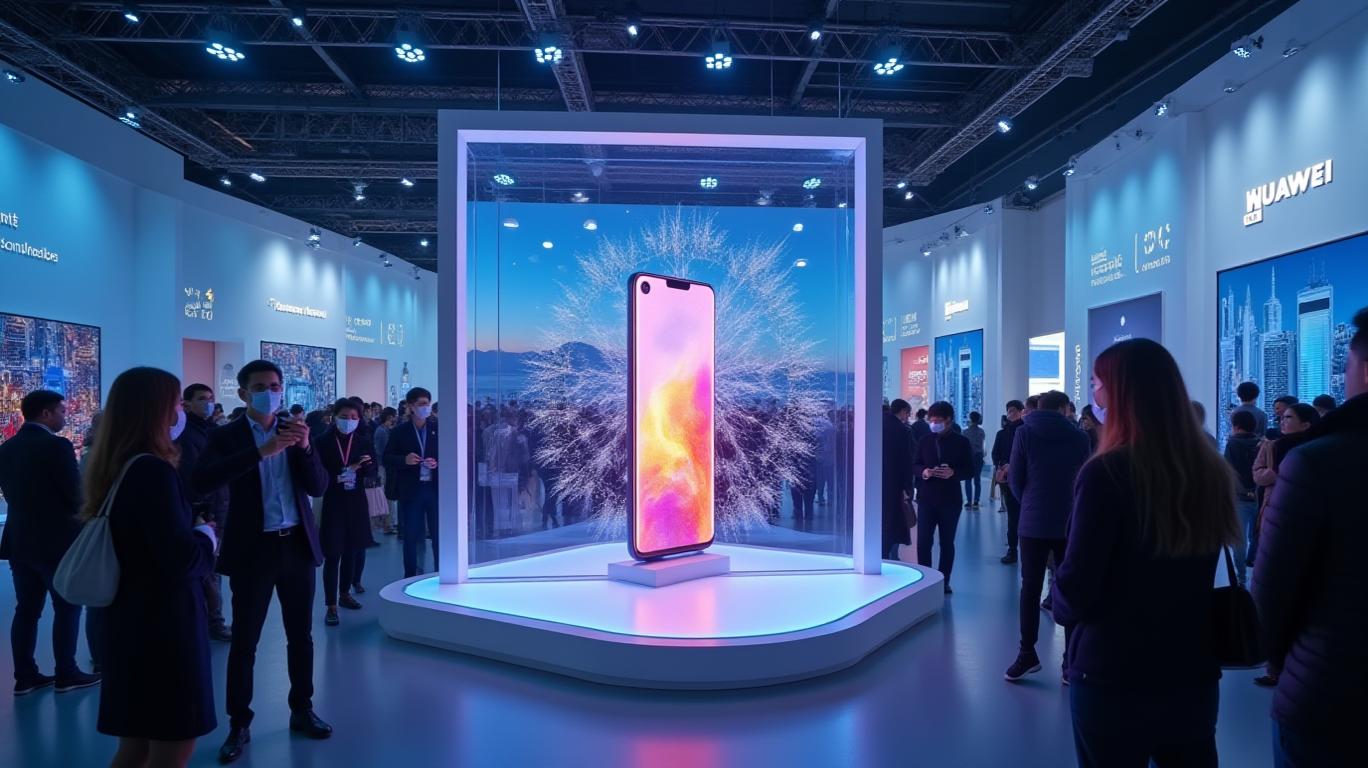
Huawei's focus on AI capabilities and ecosystem expansion has also driven its recent success. The company has been investing heavily in AI technologies and integrating them into its products, particularly its smartphones. This has allowed Huawei to differentiate itself from its competitors and attract consumers who are looking for advanced features and innovative experiences. According to Canalys, Huawei's smartphone shipments reached 11.7 million units in the first quarter of 2024, accounting for a 17% market share and a staggering 70% year-over-year growth. This is a remarkable comeback for the company, which had previously fallen from the top spot in the smartphone market due to external factors and internal challenges.
Huawei's strategic acquisitions and partnerships have also played a significant role in its comeback in the Chinese smartphone market. The acquisition of Honor in 2020 allowed Huawei to focus on its core businesses and helped Honor to regain its footing in the market. Honor has since become a strong competitor in the Chinese smartphone market, ranking third in the first quarter of 2024 with 10.6 million units shipped, up 9% year-over-year. Additionally, Huawei's partnership with HiSilicon, its semiconductor subsidiary, has been instrumental in developing Kirin processors for Huawei's smartphones. Despite U.S. sanctions, HiSilicon has continued to innovate and produce competitive processors.
Apple and its peers face an uphill battle in the Chinese smartphone market, as Huawei's comeback threatens their market share and profitability. To remain competitive, Apple must focus on localizing its services and products to better cater to the Chinese market. This includes integrating generative AI into its products and localizing its Apple Intelligence services in China. Additionally, Apple must continue to offer discounts on its iPhones in China to compete with homegrown rivals like Huawei.
In conclusion, Huawei's comeback in the Chinese smartphone market has caught many off guard, as the company regains its footing with a focus on AI capabilities, ecosystem expansion, and strategic acquisitions and partnerships. Apple and its peers must adapt to this changing landscape by localizing their services and products and offering competitive pricing to remain competitive in the Chinese market.
NVMI--
The Chinese smartphone market has been a battleground for tech giants, with Apple and its peers facing stiff competition from domestic rivals. However, the recent resurgence of Huawei has caught many off guard, as the company regains its footing in the market. In this article, we will explore the factors contributing to Huawei's comeback and the implications for Apple and other international players.
Huawei's Hongmeng OS and Kirin chips have been instrumental in differentiating its smartphones in the competitive Chinese market. The Nova 12 series, released in December, features Hongmeng 4.0 and supports two-way satellite communications, further expanding the application scope of Kirin chips and boosting performance in the mid-range price segment. Moreover, Huawei's recent upgrade of the P series to Pura 70, which incorporates breakthrough telescopic lens technology for improved imaging performance, has generated significant buzz in the market. With these strategic moves, Huawei has completed a full iteration of its mobile phone product lineup, making it stand out in the competitive Chinese market.
Huawei's focus on AI capabilities and ecosystem expansion has also driven its recent success. The company has been investing heavily in AI technologies and integrating them into its products, particularly its smartphones. This has allowed Huawei to differentiate itself from its competitors and attract consumers who are looking for advanced features and innovative experiences. According to Canalys, Huawei's smartphone shipments reached 11.7 million units in the first quarter of 2024, accounting for a 17% market share and a staggering 70% year-over-year growth. This is a remarkable comeback for the company, which had previously fallen from the top spot in the smartphone market due to external factors and internal challenges.
Huawei's strategic acquisitions and partnerships have also played a significant role in its comeback in the Chinese smartphone market. The acquisition of Honor in 2020 allowed Huawei to focus on its core businesses and helped Honor to regain its footing in the market. Honor has since become a strong competitor in the Chinese smartphone market, ranking third in the first quarter of 2024 with 10.6 million units shipped, up 9% year-over-year. Additionally, Huawei's partnership with HiSilicon, its semiconductor subsidiary, has been instrumental in developing Kirin processors for Huawei's smartphones. Despite U.S. sanctions, HiSilicon has continued to innovate and produce competitive processors.
Apple and its peers face an uphill battle in the Chinese smartphone market, as Huawei's comeback threatens their market share and profitability. To remain competitive, Apple must focus on localizing its services and products to better cater to the Chinese market. This includes integrating generative AI into its products and localizing its Apple Intelligence services in China. Additionally, Apple must continue to offer discounts on its iPhones in China to compete with homegrown rivals like Huawei.
In conclusion, Huawei's comeback in the Chinese smartphone market has caught many off guard, as the company regains its footing with a focus on AI capabilities, ecosystem expansion, and strategic acquisitions and partnerships. Apple and its peers must adapt to this changing landscape by localizing their services and products and offering competitive pricing to remain competitive in the Chinese market.

Divulgación editorial y transparencia de la IA: Ainvest News utiliza tecnología avanzada de Modelos de Lenguaje Largo (LLM) para sintetizar y analizar datos de mercado en tiempo real. Para garantizar los más altos estándares de integridad, cada artículo se somete a un riguroso proceso de verificación con participación humana.
Mientras la IA asiste en el procesamiento de datos y la redacción inicial, un miembro editorial profesional de Ainvest revisa, verifica y aprueba de forma independiente todo el contenido para garantizar su precisión y cumplimiento con los estándares editoriales de Ainvest Fintech Inc. Esta supervisión humana está diseñada para mitigar las alucinaciones de la IA y garantizar el contexto financiero.
Advertencia sobre inversiones: Este contenido se proporciona únicamente con fines informativos y no constituye asesoramiento profesional de inversión, legal o financiero. Los mercados conllevan riesgos inherentes. Se recomienda a los usuarios que realicen una investigación independiente o consulten a un asesor financiero certificado antes de tomar cualquier decisión. Ainvest Fintech Inc. se exime de toda responsabilidad por las acciones tomadas con base en esta información. ¿Encontró un error? Reportar un problema


SOBRE NOSOTROS
Nuestra historiaAutores de noticiasBase de conocimientosPolítica de privacidadTérmino de usoDescargo de responsabilidad de corretaje de tercerosTérminos de uso de AIMEDivulgaciones de riesgos de AInvest AICarrerasCONTÁCTENOS
Email: support@ainvest.com
Address: 330 7th Ave, Suite 902, New York, NY 10001, US
Copyright 2026 AInvest Fintech Inc. All rights reserved.


Comentarios
Aún no hay comentarios