
Apple Shifts iPhone Production to India Amid China Tariffs
Generado por agente de IACyrus Cole
lunes, 7 de abril de 2025, 6:01 pm ET1 min de lectura
AAPL--
Apple Inc. is planning to send more iPhones to the U.S. from India in order to avoid the high costs of new tariffs on Chinese goods, according to a report from the Wall Street Journal. This move is a short-term solution while the company tries to get an exemption from President Trump’s tariffs—similar to one CEO TimTIMB-- Cook secured during Trump’s first term. Still, AppleAAPL-- sees the current trade environment as too unstable to make big, long-term changes to its supply chain right now.
Trump has placed at least a 54% tariff on goods from China, while Indian goods face a lower 26% tariff. China responded by adding a 34% tariff on certain U.S. products. On top of that, Trump recently threatened an additional 50% against China if it doesn’t remove its retaliatory tariffs, which caused Apple’s stock to fall in today’s trading.
Even though Apple is working to diversify where its products are made, it still relies heavily on China to manufacture iPhones. As a result, analysts at Needham say that if Apple doesn’t get a tariff exemption, its earnings for Fiscal Year 2025 could drop by 28% or more. That makes the outcome of Trump’s tariff policy especially important for how it will conduct its operations going forward.
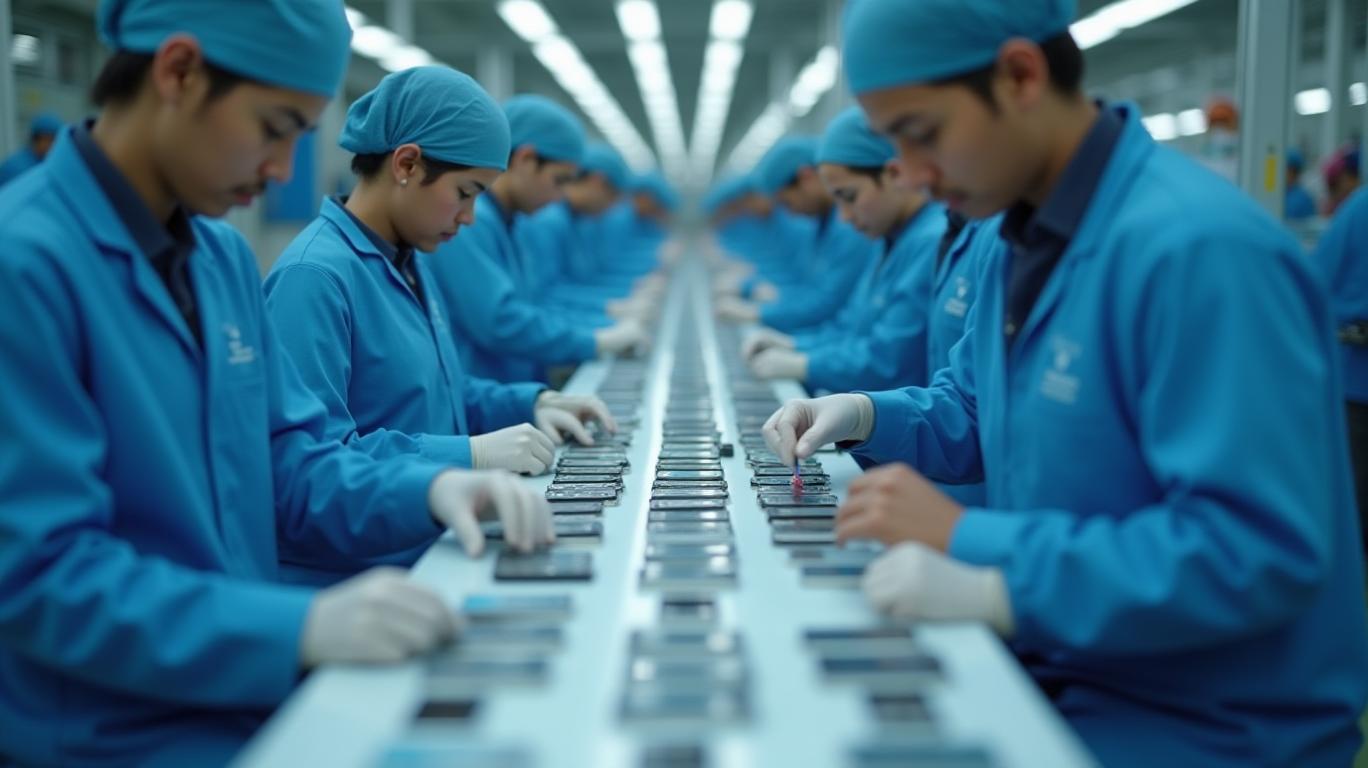
Apple’s decision to increase iPhone exports from India to mitigate U.S. tariffs on Chinese goods will have significant short-term and long-term impacts on its supply chain and operational costs. In the short term, Apple faces higher operational costs due to tariffs, logistical shifts, and supply chain disruptions. However, in the long term, diversifying production to India reduces tariff risks and builds resilience, provided India addresses cost and infrastructure gaps. Success hinges on sustained government support, local supplier development, and geopolitical stability.
The potential risks and benefits for Apple in diversifying its manufacturing base away from China, particularly in light of the current geopolitical tensions and trade policies, are significant. The benefits include reduced tariff exposure and cost savings, supply chain resilience, government incentives and market growth, and strategic geopolitical positioning. However, the risks include dependency on Chinese components, tariff backfires and trade volatility, infrastructure and cost challenges in new markets, and operational complexity and delays. Apple’s diversification offers significant benefits in cost savings, resilience, and geopolitical alignment but faces critical risks tied to China’s component dominance, tariff volatility, and infrastructure gaps in new markets. Success hinges on balancing these factors while navigating U.S.-China tensions and securing exemptions or exemptions from punitive tariffs.
Apple Inc. is planning to send more iPhones to the U.S. from India in order to avoid the high costs of new tariffs on Chinese goods, according to a report from the Wall Street Journal. This move is a short-term solution while the company tries to get an exemption from President Trump’s tariffs—similar to one CEO TimTIMB-- Cook secured during Trump’s first term. Still, AppleAAPL-- sees the current trade environment as too unstable to make big, long-term changes to its supply chain right now.
Trump has placed at least a 54% tariff on goods from China, while Indian goods face a lower 26% tariff. China responded by adding a 34% tariff on certain U.S. products. On top of that, Trump recently threatened an additional 50% against China if it doesn’t remove its retaliatory tariffs, which caused Apple’s stock to fall in today’s trading.
Even though Apple is working to diversify where its products are made, it still relies heavily on China to manufacture iPhones. As a result, analysts at Needham say that if Apple doesn’t get a tariff exemption, its earnings for Fiscal Year 2025 could drop by 28% or more. That makes the outcome of Trump’s tariff policy especially important for how it will conduct its operations going forward.
Apple’s decision to increase iPhone exports from India to mitigate U.S. tariffs on Chinese goods will have significant short-term and long-term impacts on its supply chain and operational costs. In the short term, Apple faces higher operational costs due to tariffs, logistical shifts, and supply chain disruptions. However, in the long term, diversifying production to India reduces tariff risks and builds resilience, provided India addresses cost and infrastructure gaps. Success hinges on sustained government support, local supplier development, and geopolitical stability.
The potential risks and benefits for Apple in diversifying its manufacturing base away from China, particularly in light of the current geopolitical tensions and trade policies, are significant. The benefits include reduced tariff exposure and cost savings, supply chain resilience, government incentives and market growth, and strategic geopolitical positioning. However, the risks include dependency on Chinese components, tariff backfires and trade volatility, infrastructure and cost challenges in new markets, and operational complexity and delays. Apple’s diversification offers significant benefits in cost savings, resilience, and geopolitical alignment but faces critical risks tied to China’s component dominance, tariff volatility, and infrastructure gaps in new markets. Success hinges on balancing these factors while navigating U.S.-China tensions and securing exemptions or exemptions from punitive tariffs.

Divulgación editorial y transparencia de la IA: Ainvest News utiliza tecnología avanzada de Modelos de Lenguaje Largo (LLM) para sintetizar y analizar datos de mercado en tiempo real. Para garantizar los más altos estándares de integridad, cada artículo se somete a un riguroso proceso de verificación con participación humana.
Mientras la IA asiste en el procesamiento de datos y la redacción inicial, un miembro editorial profesional de Ainvest revisa, verifica y aprueba de forma independiente todo el contenido para garantizar su precisión y cumplimiento con los estándares editoriales de Ainvest Fintech Inc. Esta supervisión humana está diseñada para mitigar las alucinaciones de la IA y garantizar el contexto financiero.
Advertencia sobre inversiones: Este contenido se proporciona únicamente con fines informativos y no constituye asesoramiento profesional de inversión, legal o financiero. Los mercados conllevan riesgos inherentes. Se recomienda a los usuarios que realicen una investigación independiente o consulten a un asesor financiero certificado antes de tomar cualquier decisión. Ainvest Fintech Inc. se exime de toda responsabilidad por las acciones tomadas con base en esta información. ¿Encontró un error? Reportar un problema




Comentarios
Aún no hay comentarios