
Apple's Share Buyback Program: A Double-Edged Sword for Investors
Generado por agente de IATheodore Quinn
lunes, 30 de diciembre de 2024, 4:58 am ET1 min de lectura
AAPL--
Apple Inc. (NASDAQ: AAPL) has been actively engaged in share buyback programs, with a total of over $450 billion spent since 2012. While these programs can have positive effects on the company's stock price and market capitalization, they also present potential drawbacks that investors should consider.
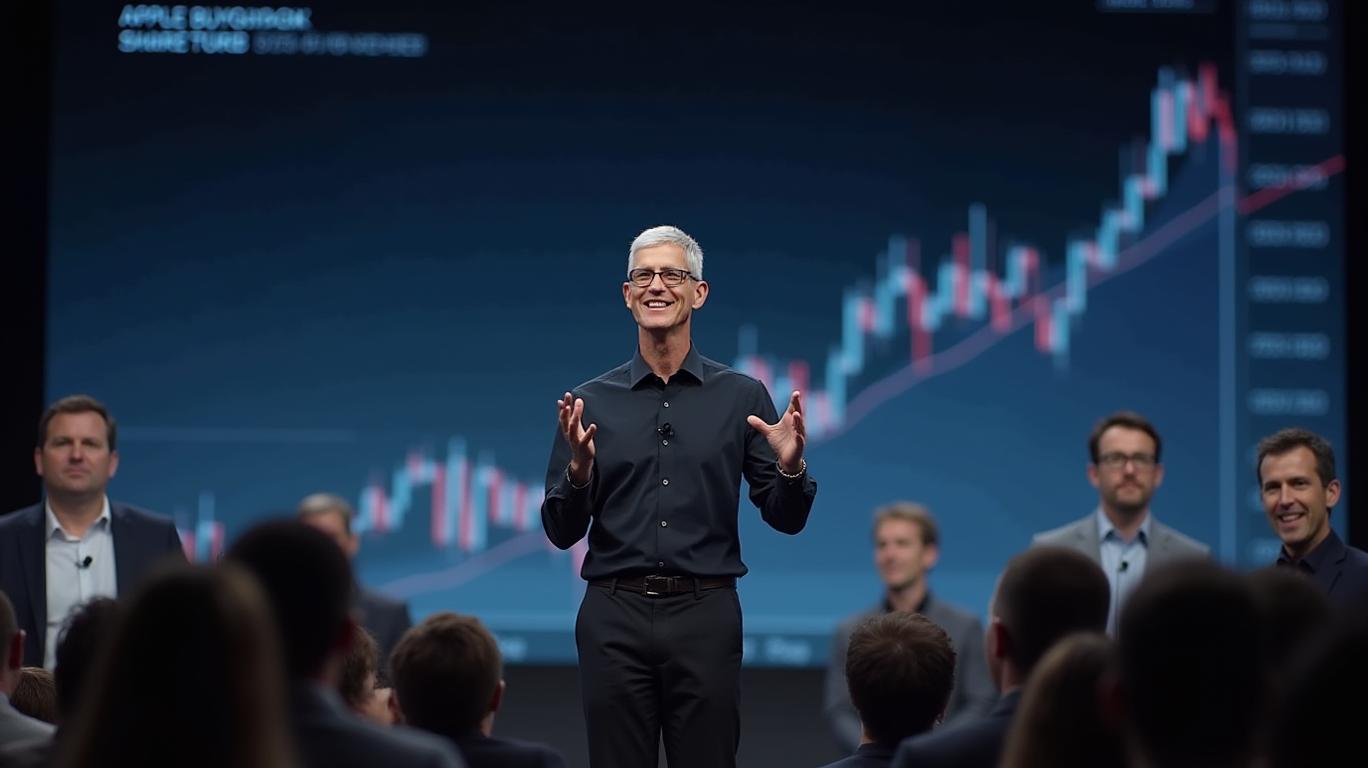
Share buybacks, also known as share repurchases, involve a company purchasing its own shares from the market. This reduces the number of outstanding shares, which can lead to an increase in earnings per share (EPS) and return on equity (ROE). Apple's share buyback program has indeed contributed to an increase in its EPS and ROE. In 2024, Apple's EPS was $6.08, up from $5.98 in 2023, and its ROE was 37.7%, up from 36.9% in 2023.
However, share buybacks are not without their criticisms. One concern is that companies may use buybacks as a way to manipulate their financials, making their earnings appear higher than they would be without the buyback. Additionally, share buybacks can be seen as a way for management to enrich themselves at the expense of shareholders, as they may use the buyback to drive up the stock price and then sell their own shares.
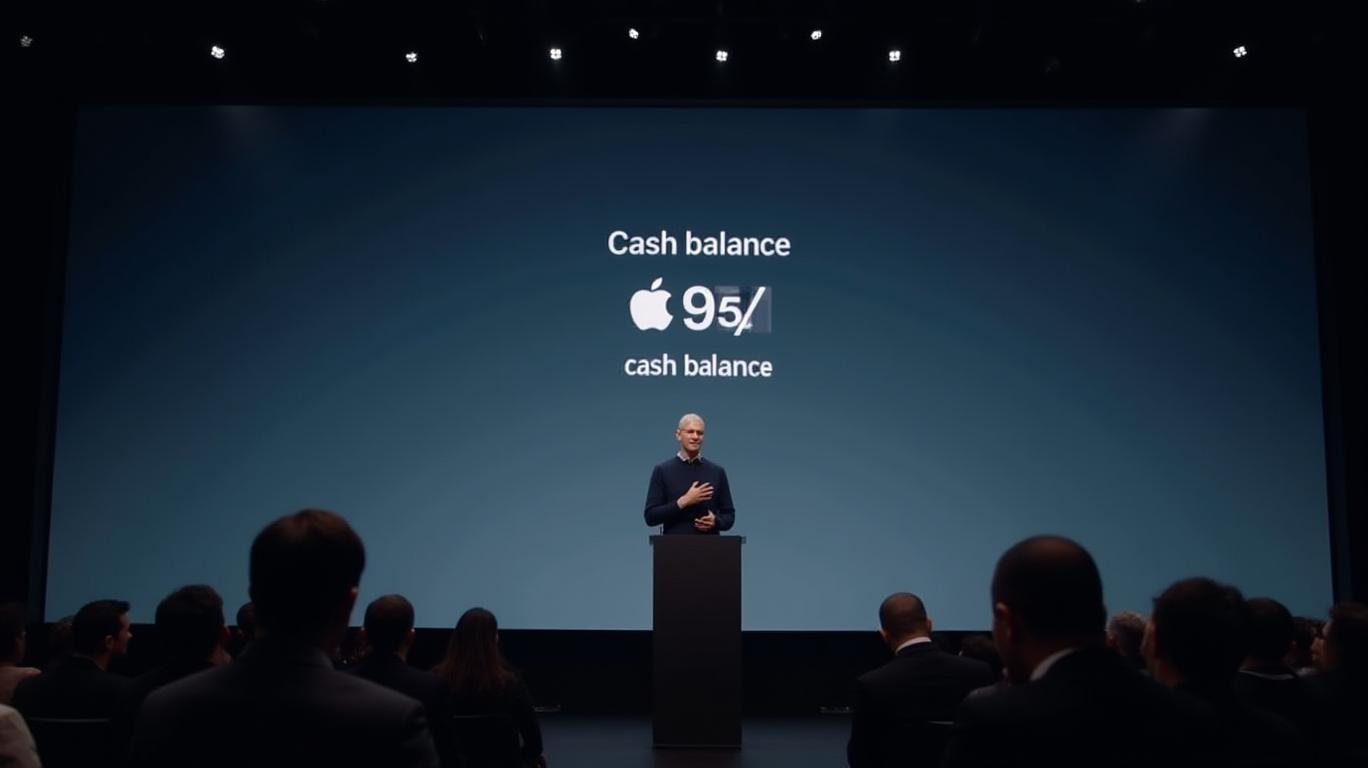
Another issue is that share buybacks can be a poor use of capital. Instead of buying back shares, companies could invest in research and development, make acquisitions, or pay dividends to shareholders. Apple, for example, has a significant cash balance of $65.17 billion, which could be put to better use than simply buying back shares.
Moreover, share buybacks can be a risky strategy if the company's stock price is high relative to its fundamentals. If the stock price falls after the buyback, the company may end up overpaying for its shares. This is a concern for Apple, as its current P/E ratio of 42.05 is higher than its historical average.
In conclusion, Apple's share buyback program has had a positive impact on the company's EPS and ROE, as well as its stock price and market capitalization. However, investors should be aware of the potential drawbacks of share buybacks, such as financial manipulation, poor capital allocation, and the risk of overpaying for shares. As Apple continues to engage in share buybacks, investors should monitor the company's financials and consider the potential risks and benefits of the program.
Apple Inc. (NASDAQ: AAPL) has been actively engaged in share buyback programs, with a total of over $450 billion spent since 2012. While these programs can have positive effects on the company's stock price and market capitalization, they also present potential drawbacks that investors should consider.
Share buybacks, also known as share repurchases, involve a company purchasing its own shares from the market. This reduces the number of outstanding shares, which can lead to an increase in earnings per share (EPS) and return on equity (ROE). Apple's share buyback program has indeed contributed to an increase in its EPS and ROE. In 2024, Apple's EPS was $6.08, up from $5.98 in 2023, and its ROE was 37.7%, up from 36.9% in 2023.
However, share buybacks are not without their criticisms. One concern is that companies may use buybacks as a way to manipulate their financials, making their earnings appear higher than they would be without the buyback. Additionally, share buybacks can be seen as a way for management to enrich themselves at the expense of shareholders, as they may use the buyback to drive up the stock price and then sell their own shares.
Another issue is that share buybacks can be a poor use of capital. Instead of buying back shares, companies could invest in research and development, make acquisitions, or pay dividends to shareholders. Apple, for example, has a significant cash balance of $65.17 billion, which could be put to better use than simply buying back shares.
Moreover, share buybacks can be a risky strategy if the company's stock price is high relative to its fundamentals. If the stock price falls after the buyback, the company may end up overpaying for its shares. This is a concern for Apple, as its current P/E ratio of 42.05 is higher than its historical average.
In conclusion, Apple's share buyback program has had a positive impact on the company's EPS and ROE, as well as its stock price and market capitalization. However, investors should be aware of the potential drawbacks of share buybacks, such as financial manipulation, poor capital allocation, and the risk of overpaying for shares. As Apple continues to engage in share buybacks, investors should monitor the company's financials and consider the potential risks and benefits of the program.



Divulgación editorial y transparencia de la IA: Ainvest News utiliza tecnología avanzada de Modelos de Lenguaje Largo (LLM) para sintetizar y analizar datos de mercado en tiempo real. Para garantizar los más altos estándares de integridad, cada artículo se somete a un riguroso proceso de verificación con participación humana.
Mientras la IA asiste en el procesamiento de datos y la redacción inicial, un miembro editorial profesional de Ainvest revisa, verifica y aprueba de forma independiente todo el contenido para garantizar su precisión y cumplimiento con los estándares editoriales de Ainvest Fintech Inc. Esta supervisión humana está diseñada para mitigar las alucinaciones de la IA y garantizar el contexto financiero.
Advertencia sobre inversiones: Este contenido se proporciona únicamente con fines informativos y no constituye asesoramiento profesional de inversión, legal o financiero. Los mercados conllevan riesgos inherentes. Se recomienda a los usuarios que realicen una investigación independiente o consulten a un asesor financiero certificado antes de tomar cualquier decisión. Ainvest Fintech Inc. se exime de toda responsabilidad por las acciones tomadas con base en esta información. ¿Encontró un error? Reportar un problema


SOBRE NOSOTROS
Nuestra historiaAutores de noticiasBase de conocimientosPolítica de privacidadTérmino de usoDescargo de responsabilidad de corretaje de tercerosTérminos de uso de AIMEDivulgaciones de riesgos de AInvest AICarrerasCONTÁCTENOS
Email: support@ainvest.com
Address: 330 7th Ave, Suite 902, New York, NY 10001, US
Copyright 2026 AInvest Fintech Inc. All rights reserved.


Comentarios
Aún no hay comentarios