
Apple’s Geopolitical Gambit: India Production Holds Steady Amid Tariff Tsunami – Kuo’s Insights on Supply Chain Resilience
The escalating U.S.-China trade war has thrust AppleAAPL-- into a high-stakes game of supply chain chess. With tariff rates on Chinese imports hitting 145%—a combination of 125% “reciprocal” tariffs and 20% fentanyl-related levies—Apple is doubling down on its India-focused production strategy to shield its U.S. market dominance. Analyst Ming-Chi Kuo’s latest insights reveal a company navigating a precarious balance between geopolitical risks, cost inflation, and investor skepticism.
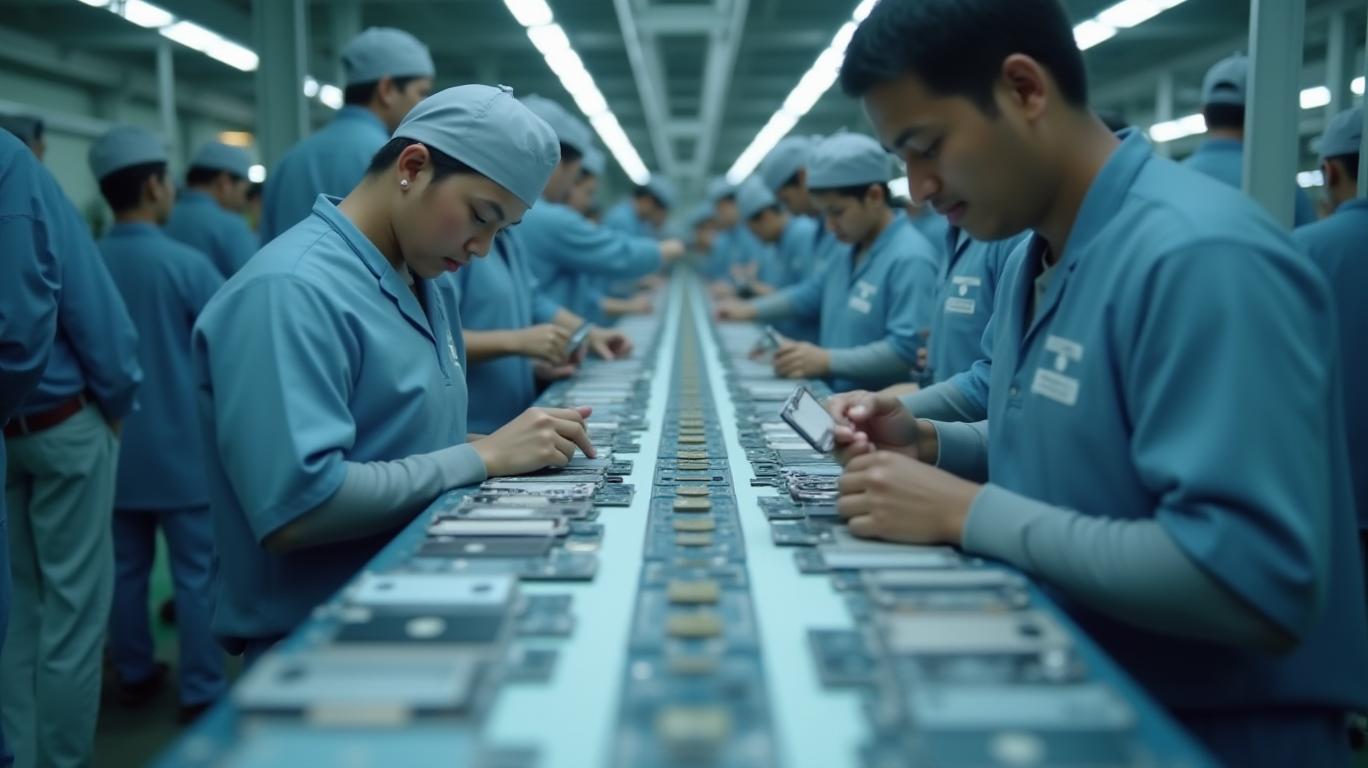
The Tariff Tsunami: Why India is Non-Negotiable
Apple’s decision to halt Chinese production lines for U.S.-bound iPhones and shift assembly to India is now irreversible. Key factors driving this pivot:
1. Tariff Rates by Region:
- China: 54% (20% IEEPA + 25% reciprocal + 9% fentanyl).
- India: 26% (U.S. tariffs + local duties).
- Vietnam: 46%.
- Taiwan: 25%.
These disparities make India the only financially viable alternative for Apple to avoid a $39.5B annual cost surge (Rosenblatt’s Barton Crockett).
- Inventory Buffer: Apple has stockpiled a two-month supply of U.S.-bound iPhones, built since the Lunar New Year, to insulate Q2 sales. However, this creates a “supply cliff” risk in late 2025 as production cycles tighten during the fall product transition.
Kuo’s Playbook: Pricing, Partnerships, and Automation
Kuo outlines Apple’s mitigation strategies to offset margin erosion:
- Price Hikes on Pro Models: Increase prices by 8–10% for high-margin iPhone Pro models (65–70% of sales), leveraging their premium positioning.
- Supplier Cost Pressure: Negotiate 5–7% cost cuts with suppliers like Foxconn and TSMC, leveraging Apple’s scale.
- India Production Scaling: Boost Indian output to 30% of global iPhone production (up from 7–10%) if tariff exemptions are secured for U.S.-bound semiconductors.
- Automation Push: Deploy AI-driven factories in India and Thailand to offset U.S. labor shortages, though full reshoring remains unfeasible.
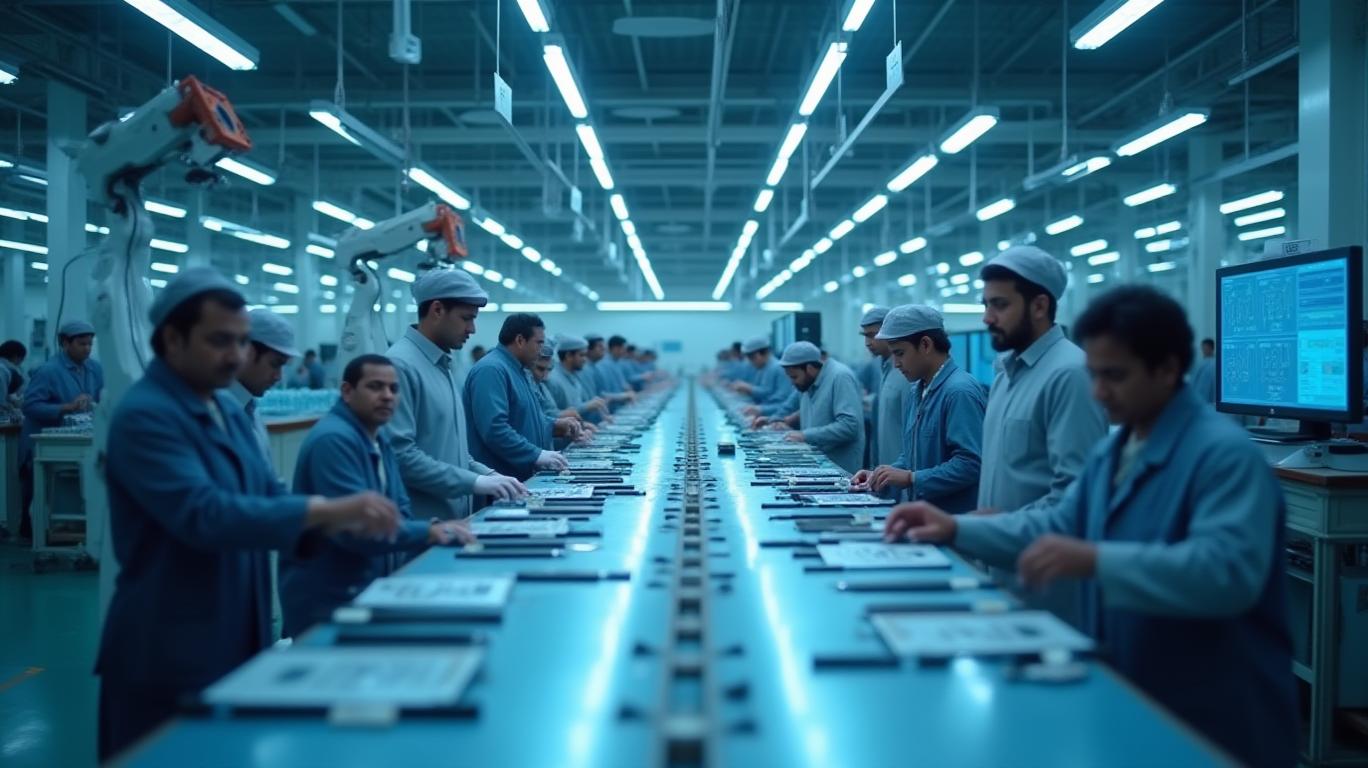
The Elephant in the Room: Geopolitical Volatility
The Trump administration’s unpredictability poses the greatest risk. Key threats:
1. Semiconductor Tariffs: Commerce Secretary Lutnick’s warning that chip tariff exemptions will expire in “a month or two” threatens Apple’s supply chain, as 90% of iPhones still rely on Chinese assembly and Taiwanese semiconductors.
2. Fentanyl-Linked Tariffs: A proposed 20% tariff on Chinese goods linked to drug trafficking could further isolate Apple’s supply chain.
3. Stock Market Fallout: Apple’s shares have already dropped 25–27% since January 2025, reflecting investor fears of margin compression and demand destruction.
Contradictions and Contingencies
While Kuo’s analysis paints India as a lifeline, conflicting reports muddy the waters:
- Daily Economic News claims Chinese iPhone production lines for the U.S. market are “fully operational”, citing supply chain sources.
- Tariff Reduction Speculation: If U.S. tariffs drop to 20%, Apple could stabilize margins, but Kuo warns this is contingent on China’s willingness to engage in talks—a low-probability scenario.
Conclusion: A Risk-Adjusted Buy with Strings Attached
Apple’s India pivot is a strategic necessity, but its success hinges on three variables:
1. Tariff Stability: A 20% tariff rate on Chinese exports would slash iPhone costs by $250/unit, reducing pressure to hike prices.
2. Supplier Compliance: If suppliers deliver 5% cost savings, Apple can offset 1.5–2% of margin erosion.
3. Demand Resilience: A $1,500 iPhone Pro (post-hike) risks demand collapse in price-sensitive markets, though Kuo notes Apple’s loyalist base may absorb increases.
The $39.5B cost bomb looms large, but Apple’s $500B U.S. investment pledge and India’s manufacturing momentum suggest a path to stabilization. Investors should consider:
- Buy if: Tariffs drop to 20% (AAPL could rebound 15–20%).
- Avoid if: Semiconductor tariffs trigger a 43% iPhone price surge (Rosenblatt’s worst-case scenario).
In conclusion, Apple’s India gamble is a textbook case of resilience in the face of chaos. While short-term volatility is inevitable, the company’s execution of its “decouple from China” strategy could redefine its long-term profitability—if it can outmaneuver the tariff storm.





Comentarios
Aún no hay comentarios