
Apple Co-Founder Slams YouTube for Allowing Bitcoin Scam with Misleading Image
PorAinvest
lunes, 11 de agosto de 2025, 5:30 pm ET1 min de lectura
AAPL--
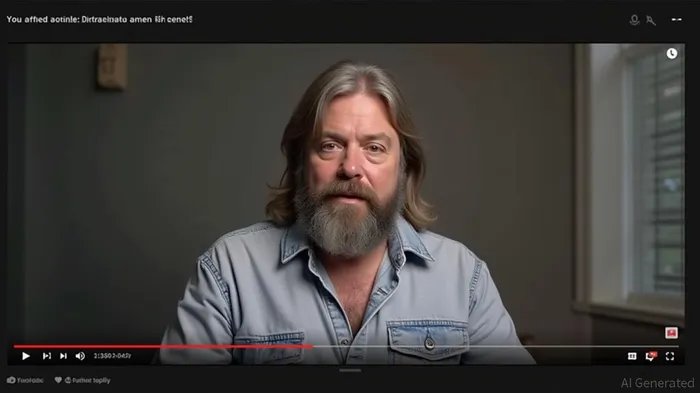
Wozniak discovered the scam when his wife, Janet, received an email from a victim asking when they would get their money back. The scammers had taken a video of Wozniak talking about Bitcoin and edited it to appear as if he was endorsing the offer. The incident highlights the increasing prevalence of AI-generated deepfake videos and the urgent need for robust content moderation on online platforms.
Wozniak's criticism of YouTube echoes concerns raised by UK Liberal Democrat MP Max Wilkinson, who has called for ads on the platform to be regulated to the same standards as television and radio in the UK. Wilkinson warned that unscrupulous advertisers must not be allowed to exploit people using loopholes.
Google, which owns YouTube, has been criticized for its content moderation abilities. In 2024, the company removed over 5.1 billion ads and restricted another 9.1 billion, suspended 39.2 million advertiser accounts for major violations, and blocked ads on 1.3 billion publisher pages. However, Wozniak and others argue that these efforts are not sufficient to combat the rising tide of online fraud.
The incident also underscores the growing threat of deepfake fraud, which drove 40% of high-value crypto fraud last year, according to a report. As AI technology advances, the ability to create convincing deepfakes increases, making it more difficult for platforms to detect and remove fraudulent content.
Investors and financial professionals should remain vigilant when consuming online content, especially when it involves cryptocurrency. The incident with Wozniak serves as a reminder of the importance of verifying information and being cautious when engaging with online offers.
References:
[1] https://finance.yahoo.com/news/apple-co-founder-steve-wozniak-123103731.html
[2] https://www.bitdegree.org/crypto/news/steve-wozniak-accused-youtube-over-fake-crypto-ad-that-fooled-viewers
BTC--
Apple co-founder Steve Wozniak has slammed YouTube for not taking down a Bitcoin scam video that used his image to steal cryptocurrency. Wozniak's wife reported the scam, which used a video of Wozniak discussing Bitcoin with a misleading message promising double the amount sent. Despite multiple requests, the video remains on YouTube, and Wozniak's 2020 lawsuit against the platform has not resulted in action. The incident highlights the need for caution when consuming online content, especially with the rise of AI-driven deepfake videos.
Apple co-founder Steve Wozniak has criticized YouTube for failing to remove a Bitcoin scam video that used his likeness to deceive viewers into sending cryptocurrency. The scam, which surfaced several years ago, used real footage of Wozniak discussing Bitcoin with a misleading message promising double the amount sent. Despite multiple requests, the video remains on YouTube, and Wozniak's 2020 lawsuit against the platform has not yielded action.Wozniak discovered the scam when his wife, Janet, received an email from a victim asking when they would get their money back. The scammers had taken a video of Wozniak talking about Bitcoin and edited it to appear as if he was endorsing the offer. The incident highlights the increasing prevalence of AI-generated deepfake videos and the urgent need for robust content moderation on online platforms.
Wozniak's criticism of YouTube echoes concerns raised by UK Liberal Democrat MP Max Wilkinson, who has called for ads on the platform to be regulated to the same standards as television and radio in the UK. Wilkinson warned that unscrupulous advertisers must not be allowed to exploit people using loopholes.
Google, which owns YouTube, has been criticized for its content moderation abilities. In 2024, the company removed over 5.1 billion ads and restricted another 9.1 billion, suspended 39.2 million advertiser accounts for major violations, and blocked ads on 1.3 billion publisher pages. However, Wozniak and others argue that these efforts are not sufficient to combat the rising tide of online fraud.
The incident also underscores the growing threat of deepfake fraud, which drove 40% of high-value crypto fraud last year, according to a report. As AI technology advances, the ability to create convincing deepfakes increases, making it more difficult for platforms to detect and remove fraudulent content.
Investors and financial professionals should remain vigilant when consuming online content, especially when it involves cryptocurrency. The incident with Wozniak serves as a reminder of the importance of verifying information and being cautious when engaging with online offers.
References:
[1] https://finance.yahoo.com/news/apple-co-founder-steve-wozniak-123103731.html
[2] https://www.bitdegree.org/crypto/news/steve-wozniak-accused-youtube-over-fake-crypto-ad-that-fooled-viewers
Divulgación editorial y transparencia de la IA: Ainvest News utiliza tecnología avanzada de Modelos de Lenguaje Largo (LLM) para sintetizar y analizar datos de mercado en tiempo real. Para garantizar los más altos estándares de integridad, cada artículo se somete a un riguroso proceso de verificación con participación humana.
Mientras la IA asiste en el procesamiento de datos y la redacción inicial, un miembro editorial profesional de Ainvest revisa, verifica y aprueba de forma independiente todo el contenido para garantizar su precisión y cumplimiento con los estándares editoriales de Ainvest Fintech Inc. Esta supervisión humana está diseñada para mitigar las alucinaciones de la IA y garantizar el contexto financiero.
Advertencia sobre inversiones: Este contenido se proporciona únicamente con fines informativos y no constituye asesoramiento profesional de inversión, legal o financiero. Los mercados conllevan riesgos inherentes. Se recomienda a los usuarios que realicen una investigación independiente o consulten a un asesor financiero certificado antes de tomar cualquier decisión. Ainvest Fintech Inc. se exime de toda responsabilidad por las acciones tomadas con base en esta información. ¿Encontró un error? Reportar un problema




Comentarios
Aún no hay comentarios