
Apple Faces 50% Cost Increase as Trump Pushes for Domestic iPhone Production
Former U.S. President Donald Trump has proposed that Apple Inc.AAPL-- should manufacture its iPhones domestically to circumvent new tariffs. This suggestion, however, has been met with skepticism from industry analysts. Needham analyst Laura Martin has expressed her disagreement, stating that producing iPhones in the U.S. would significantly increase costs. Martin's concerns are echoed by Wedbush analyst Dan Ives, who estimates that the cost of manufacturing an iPhone in the U.S. could reach $3,500. Ives also points out that transitioning the supply chain to the U.S. would be a lengthy process, potentially taking several years. The analysts' reservations highlight the complexities and challenges associated with relocating manufacturing operations, particularly for a company as globally integrated as AppleAAPL--.
Martin's comments came in response to White House Press Secretary Carolyn Leavitt's remarks about Apple potentially moving its iPhone manufacturing to the U.S. Martin stated, "I don't think that's going to work." She emphasized that if Apple were to start producing iPhones in the U.S., the costs would skyrocket. This sentiment is not isolated; many on Wall Street share similar concerns. Martin also noted that the process of shifting Apple's supply chain to the U.S. would take several years, and most supply chain experts agree that fully manufacturing iPhones in the U.S. is impractical.
When questioned about the feasibility of moving iPhone production to the U.S., Leavitt responded that Trump aims to bring manufacturing jobs back to the U.S. She asserted that Trump believes the U.S. has the necessary labor force and resources to produce smartphones domestically. Leavitt added, "As you know, Apple has already invested $500 billion in the U.S. So, if Apple didn't think the U.S. could do this, they probably wouldn't have invested that much."
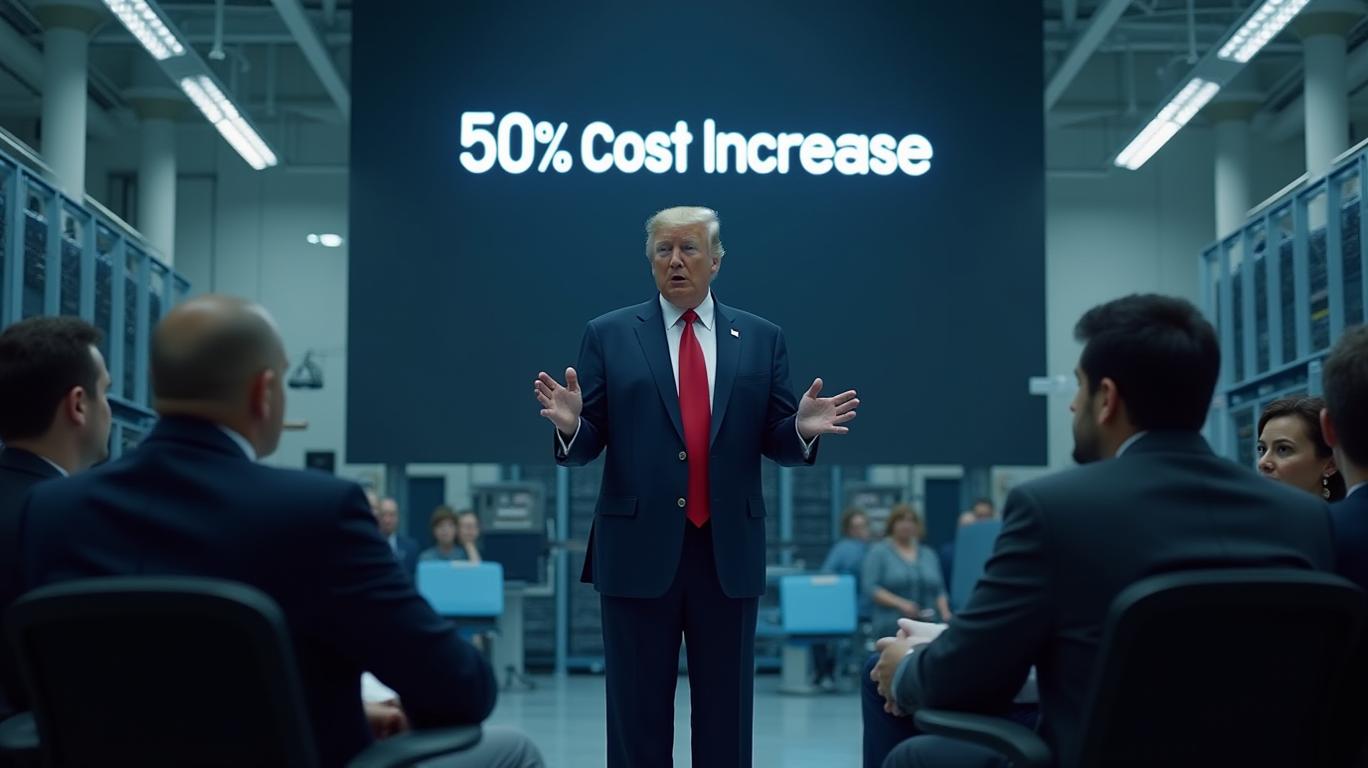
Martin's remarks come at a time when Apple's manufacturing operations are under scrutiny due to market influences, leading investors to sell off the company's stock. Martin pointed out that Trump's tariff policies could increase Apple's costs by approximately 50%. This has led to significant volatility in Apple's stock price, with a near 2% drop on the day of Martin's comments. Over the past five trading days, Apple's stock has plummeted by about 20% as investors assess the impact of Trump's policies on the company.
UBS Group has projected that Trump's retaliatory tariffs could force Apple to raise the price of its top-tier iPhone, the 16 Pro Max, by up to $350 for U.S. consumers. Martin warned that if Apple passes on the increased costs to consumers, it could further drive inflation. For investors, Martin advised caution, suggesting they wait and see before buying on the dip. She noted that due to the uncertainty surrounding trade policies, most analysts have not yet adjusted their earnings estimates for Apple. If the tariffs go into effect as planned, or if Apple's business faces other disruptions, traders may face additional downward pressure on the stock price. Martin concluded, "For Apple, there are many potential worst-case scenarios."





Comentarios
Aún no hay comentarios