
Apple's $500 Billion U.S. Investment: A Boon for Jobs and Innovation
Generado por agente de IACyrus Cole
lunes, 24 de febrero de 2025, 6:17 am ET2 min de lectura
AAPL--
Apple has announced a significant commitment to invest over $500 billion in the U.S. over the next four years, with a focus on research and development, advanced manufacturing, and skills development. This substantial investment is set to create thousands of jobs and drive innovation across various sectors, contributing to the broader U.S. economy.

The tech giant plans to hire an additional 20,000 employees for research and development, focusing on areas such as artificial intelligence, silicon engineering, and advanced manufacturing. This investment in human capital will enable Apple to strengthen its innovation pipeline, expand its talent pool, and enhance its brand and reputation. By increasing its R&D workforce, Apple can accelerate the development of new technologies and products, maintaining its competitive edge in the tech industry.
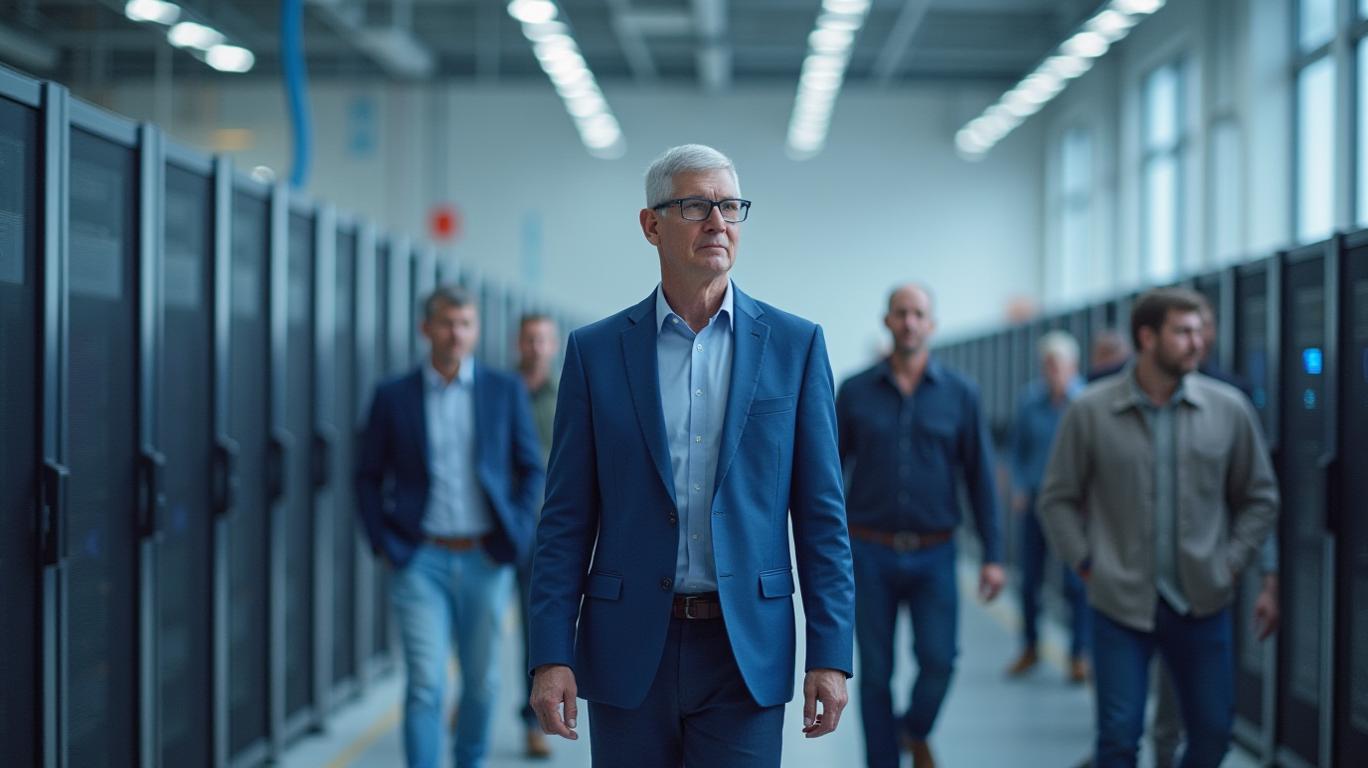
Apple's commitment to creating jobs in the U.S. also extends to its plans to build a new server manufacturing facility in Houston, Texas. This facility, slated to open in 2026, will create thousands of jobs and contribute to the growth of the local economy. Additionally, Apple is doubling its U.S. Advanced Manufacturing Fund to $10 billion, supporting world-class innovation and high-skilled manufacturing jobs across America.
The company's investment in data centers and co-located facilities in various U.S. states, such as North Carolina, Oregon, Nevada, Arizona, and Iowa, will further contribute to regional economic growth and development. Apple's commitment to investing in the U.S. economy is evident in its plans to spend and invest more than $500 billion over the next four years, supporting a wide range of initiatives that focus on artificial intelligence, silicon engineering, and skills development.
Apple's investment in U.S. jobs and R&D contributes to the broader U.S. economy in several ways. First, the company's direct employment in the U.S. has reached over 2.9 million jobs, including work with U.S.-based suppliers and manufacturers, and developer jobs in the iOS app economy. Apple's suppliers and manufacturers create an additional 450,000 jobs across various industries, such as manufacturing, technical services, retail, and construction. This significant job creation and economic activity will have a positive impact on local communities and the national economy as a whole.
Moreover, Apple's R&D investments, which have increased to an estimated 7.8% of revenues in 2023, drive innovation and help maintain the company's competitive edge. By investing in cutting-edge technologies like AR, VR, and autonomous vehicles, Apple can create new markets and stimulate growth in related industries. Apple's R&D efforts can also lead to technological advancements that benefit other industries, fostering a more competitive and innovative U.S. economy.
In conclusion, Apple's $500 billion investment in the U.S. over the next four years is a strategic move that aligns with the company's long-term growth strategy. By investing in human capital, advanced manufacturing, and skills development, Apple can strengthen its innovation pipeline, expand its talent pool, and contribute to the broader U.S. economy. The potential spillover effects on other industries and regions include technological advancements, supply chain development, and increased tax revenue, ultimately leading to a more competitive and prosperous U.S. economy.
Apple has announced a significant commitment to invest over $500 billion in the U.S. over the next four years, with a focus on research and development, advanced manufacturing, and skills development. This substantial investment is set to create thousands of jobs and drive innovation across various sectors, contributing to the broader U.S. economy.
The tech giant plans to hire an additional 20,000 employees for research and development, focusing on areas such as artificial intelligence, silicon engineering, and advanced manufacturing. This investment in human capital will enable Apple to strengthen its innovation pipeline, expand its talent pool, and enhance its brand and reputation. By increasing its R&D workforce, Apple can accelerate the development of new technologies and products, maintaining its competitive edge in the tech industry.
Apple's commitment to creating jobs in the U.S. also extends to its plans to build a new server manufacturing facility in Houston, Texas. This facility, slated to open in 2026, will create thousands of jobs and contribute to the growth of the local economy. Additionally, Apple is doubling its U.S. Advanced Manufacturing Fund to $10 billion, supporting world-class innovation and high-skilled manufacturing jobs across America.
The company's investment in data centers and co-located facilities in various U.S. states, such as North Carolina, Oregon, Nevada, Arizona, and Iowa, will further contribute to regional economic growth and development. Apple's commitment to investing in the U.S. economy is evident in its plans to spend and invest more than $500 billion over the next four years, supporting a wide range of initiatives that focus on artificial intelligence, silicon engineering, and skills development.
Apple's investment in U.S. jobs and R&D contributes to the broader U.S. economy in several ways. First, the company's direct employment in the U.S. has reached over 2.9 million jobs, including work with U.S.-based suppliers and manufacturers, and developer jobs in the iOS app economy. Apple's suppliers and manufacturers create an additional 450,000 jobs across various industries, such as manufacturing, technical services, retail, and construction. This significant job creation and economic activity will have a positive impact on local communities and the national economy as a whole.
Moreover, Apple's R&D investments, which have increased to an estimated 7.8% of revenues in 2023, drive innovation and help maintain the company's competitive edge. By investing in cutting-edge technologies like AR, VR, and autonomous vehicles, Apple can create new markets and stimulate growth in related industries. Apple's R&D efforts can also lead to technological advancements that benefit other industries, fostering a more competitive and innovative U.S. economy.
In conclusion, Apple's $500 billion investment in the U.S. over the next four years is a strategic move that aligns with the company's long-term growth strategy. By investing in human capital, advanced manufacturing, and skills development, Apple can strengthen its innovation pipeline, expand its talent pool, and contribute to the broader U.S. economy. The potential spillover effects on other industries and regions include technological advancements, supply chain development, and increased tax revenue, ultimately leading to a more competitive and prosperous U.S. economy.

Divulgación editorial y transparencia de la IA: Ainvest News utiliza tecnología avanzada de Modelos de Lenguaje Largo (LLM) para sintetizar y analizar datos de mercado en tiempo real. Para garantizar los más altos estándares de integridad, cada artículo se somete a un riguroso proceso de verificación con participación humana.
Mientras la IA asiste en el procesamiento de datos y la redacción inicial, un miembro editorial profesional de Ainvest revisa, verifica y aprueba de forma independiente todo el contenido para garantizar su precisión y cumplimiento con los estándares editoriales de Ainvest Fintech Inc. Esta supervisión humana está diseñada para mitigar las alucinaciones de la IA y garantizar el contexto financiero.
Advertencia sobre inversiones: Este contenido se proporciona únicamente con fines informativos y no constituye asesoramiento profesional de inversión, legal o financiero. Los mercados conllevan riesgos inherentes. Se recomienda a los usuarios que realicen una investigación independiente o consulten a un asesor financiero certificado antes de tomar cualquier decisión. Ainvest Fintech Inc. se exime de toda responsabilidad por las acciones tomadas con base en esta información. ¿Encontró un error? Reportar un problema


SOBRE NOSOTROS
Nuestra historiaAutores de noticiasBase de conocimientosPolítica de privacidadTérmino de usoDescargo de responsabilidad de corretaje de tercerosTérminos de uso de AIMEDivulgaciones de riesgos de AInvest AICarrerasCONTÁCTENOS
Email: support@ainvest.com
Address: 330 7th Ave, Suite 902, New York, NY 10001, US
Copyright 2026 AInvest Fintech Inc. All rights reserved.


Comentarios
Aún no hay comentarios